

Kodiak AI Q2FY26 Results: Revenue up 91% QoQ to $3.5 million


- Revenue rose 91% QoQ to $3.5 million driven by Driver-as-a-Service expansion
- Driverless truck fleet expanded to 35 units, achieving over 40,000 paid hours
- Free cash flow was negative $38 million, beating guidance expectations
- Full-year free cash flow guidance narrowed to negative $155-$162 million

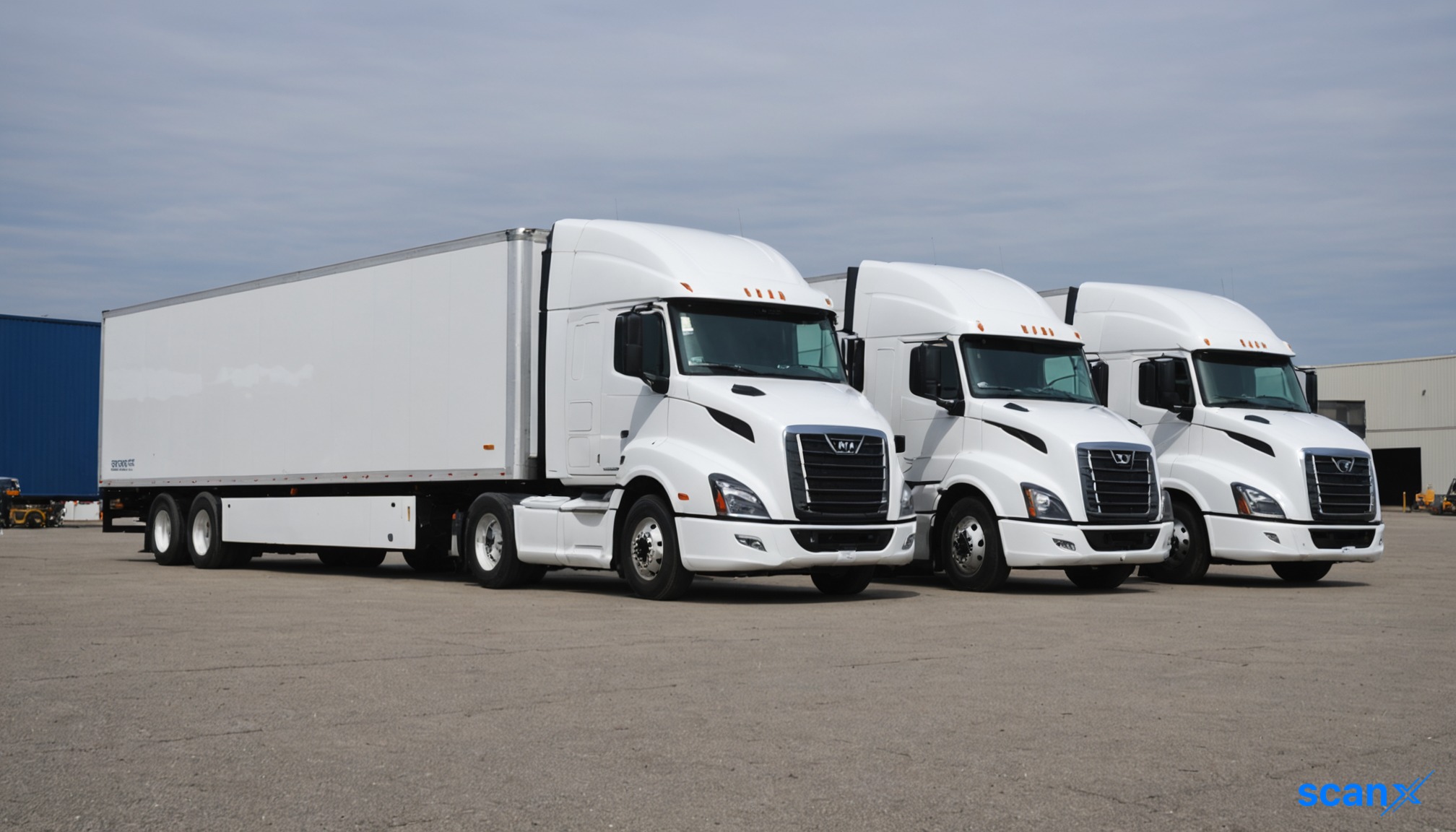

*this image is generated using AI for illustrative purposes only.
Kodiak AI reported second-quarter fiscal year 2026 revenue of $3.5 million, representing a 91% quarter-over-quarter increase. The growth was primarily driven by the expansion of its Driver-as-a-Service (DaaS) business and a one-time contribution from an autonomous trucking demonstration program.
The company expanded its driverless truck fleet to 35 units, up from 28 in the prior quarter. These trucks achieved over 40,000 paid driverless hours and delivered more than 300,000 tons of freight. GAAP operating loss stood at $43.7 million, while non-GAAP operating loss, excluding stock-based compensation, was $37.3 million.
Financial Performance
Kodiak AI maintained disciplined capital allocation while scaling operations. The company ended the quarter with cash, cash equivalents, and marketable securities of $151 million. Free cash flow for the quarter was negative $38 million, outperforming the low end of its guidance range. Capital expenditures totaled approximately $3.9 million, focused on autonomous vehicle hardware commitments and long-haul development.
| Metric | Q2FY26 | Prior Quarter | Change |
|---|---|---|---|
| Revenue | $3.5 million | $1.8 million* | +91% |
| Driverless Trucks | 35 | 28 | +7 |
| Free Cash Flow | -$38 million | N/A | Beat Guidance |
| Cash & Equivalents | $151 million | N/A | Stable |
*Note: Prior quarter revenue derived from 91% QoQ growth statement.
Operational Highlights
The company deployed its Gen 7 hardware platform, which offers improved efficiency, reliability, and compute power. This platform is expected to result in low double-digit reductions in autonomous vehicle hardware costs. Strategic initiatives include:
- Fleet Expansion: Transitioning Atlas driverless builds to a new OEM truck platform (Daimler Western Star), with deployments expected to accelerate in Q4FY26.
- International Pilot: Initiating a pilot with West Fraser in Canada to demonstrate AI capabilities in logging operations.
- Regulatory Progress: California’s DMV extended autonomous vehicle permits to heavy-duty trucks, supporting future coast-to-coast operations.
What the Numbers Show
Revenue growth of 91% QoQ is significantly outpaced by the 25% increase in driverless truck count (from 28 to 35). This divergence suggests that revenue per truck is rising, likely due to increased utilization rates and operational efficiency gains rather than just fleet size expansion. Additionally, the inclusion of over $1 million from a one-time demonstration program indicates that recurring DaaS revenue, while growing, still relies on non-recurring items to achieve such high sequential percentage growth in this early stage.
Guidance Outlook
For the third quarter of fiscal year 2026, Kodiak AI expects driverless truck deployments to reach the high 30s. The company narrowed its full-year free cash flow guidance to negative $155 million to negative $162 million, compared to the previous range of negative $155 million to negative $165 million. The CEO stated confidence in closing the safety case for long-haul operations by year-end, targeting a launch with a 91% autonomy readiness measure.

How will the transition to the Daimler Western Star OEM platform impact Kodiak's unit economics and hardware cost reductions in subsequent quarters?
What are the specific regulatory hurdles remaining for California DMV permits to enable true coast-to-coast autonomous trucking operations?
Given the $151 million cash position and negative free cash flow guidance, when does management anticipate reaching cash flow break-even?








 Create Custom Screeners
  Access 200+ Pre-built Filters
  Use 50+ Readymade Screener





