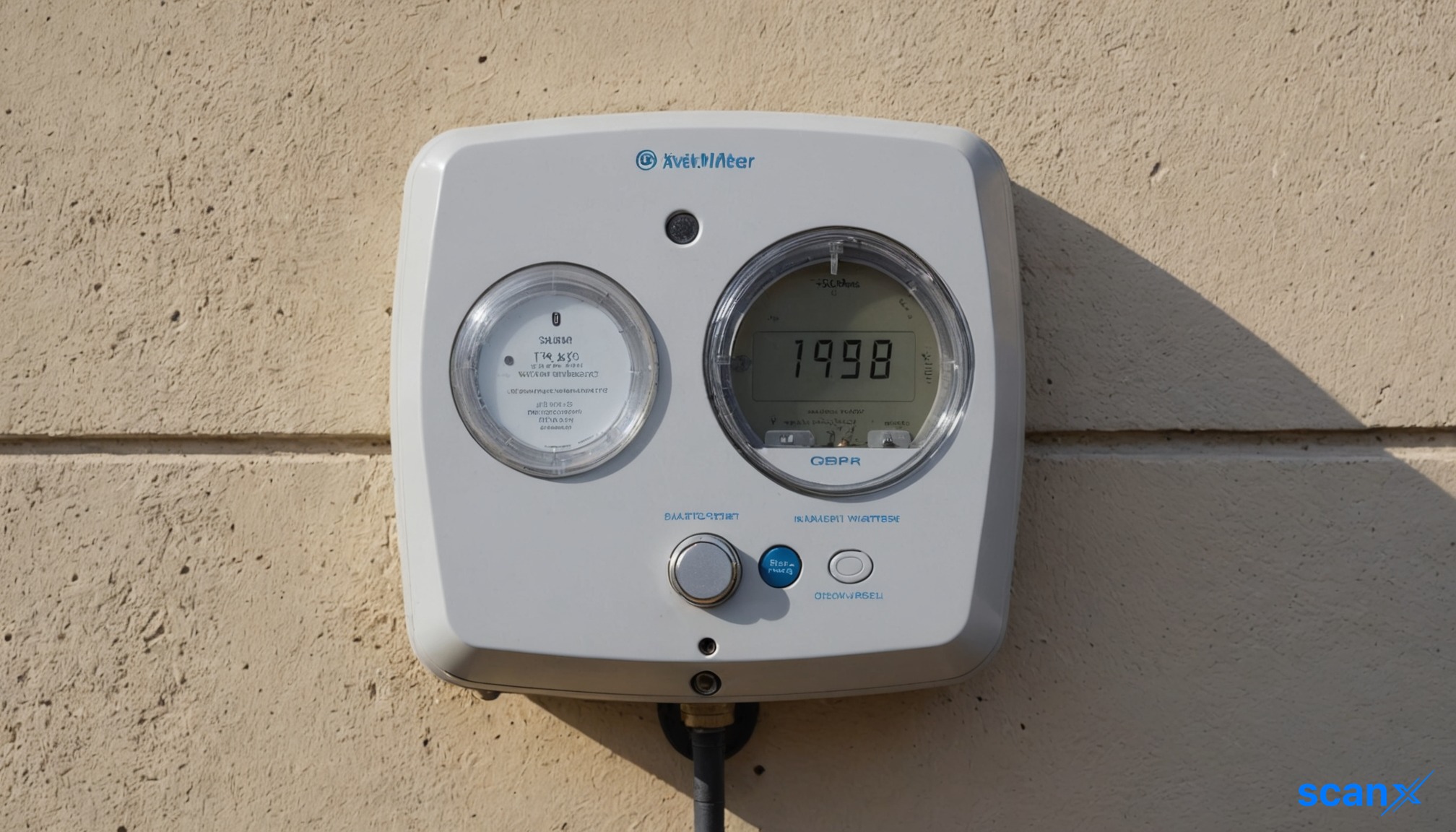
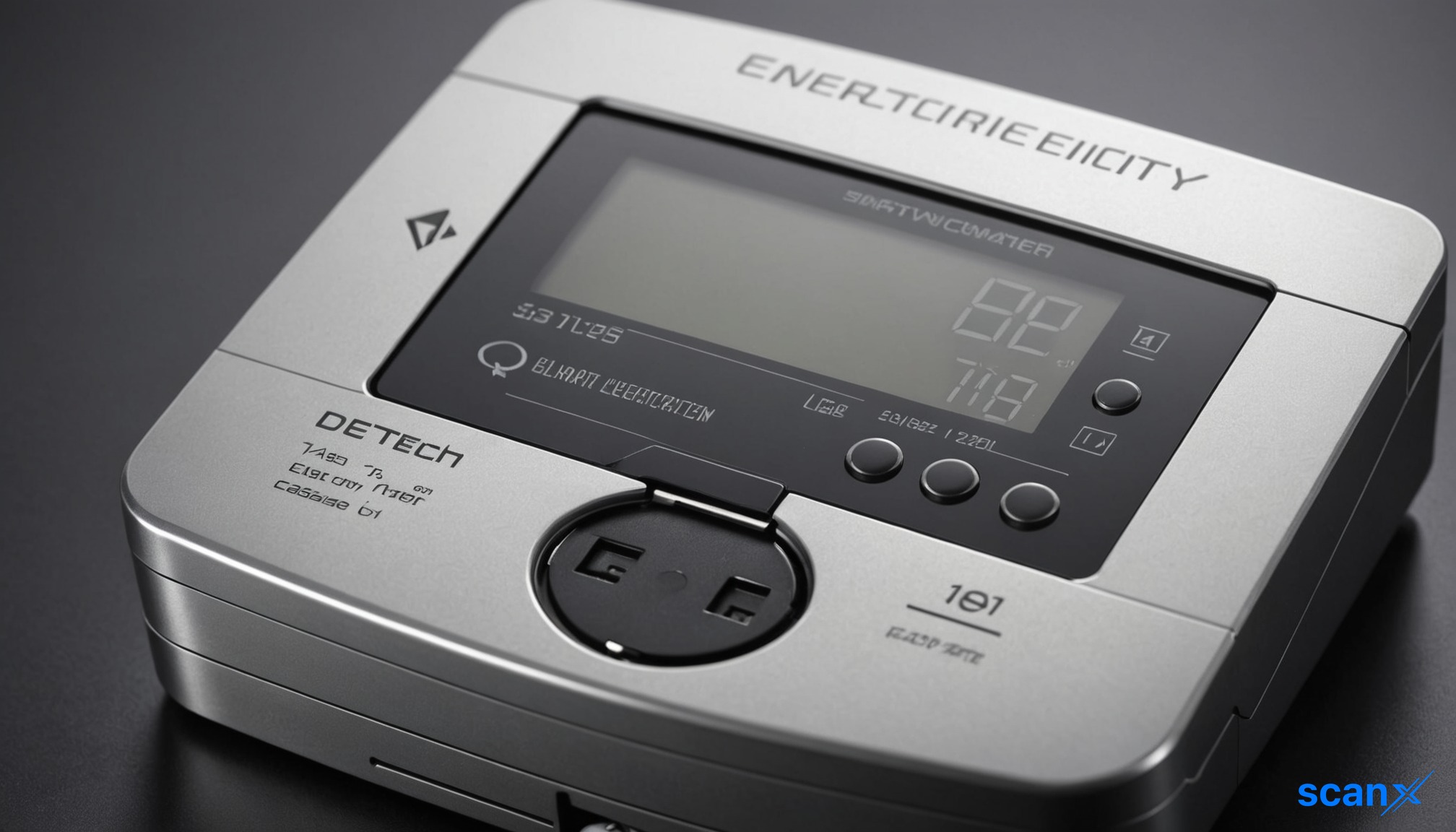
Itron, Inc. has launched its Riva S and Riva T IEC electricity meters in the Asia-Pacific region, marking the first Gen6 network platform devices available in APAC and expanding the company's grid edge intelligence portfolio.
The launch builds on Itron's more than 25-year presence in Australia, including operations in Adelaide supporting utilities across the region. The Riva meters are initially available in Australia, New Zealand, and Singapore, with plans to expand to additional Asia-Pacific countries. The company has shipped more than 18 million distributed intelligence-enabled meters and licensed more than 27 million distributed intelligence applications worldwide.
Addressing APAC grid challenges
Utilities across APAC face growing pressure from behind-the-meter energy resources, accelerating electrification, and changing low-voltage network conditions. Australia is cited as one of the world's leading distributed energy markets, with approximately one in three homes equipped with rooftop solar. As distributed energy resource (DER) adoption grows, utilities require greater insight into low-voltage network performance, including available hosting capacity and emerging constraints affecting reliability, voltage management, and customer exports.
The Itron Riva meters serve as both grid sensors and DER control points, providing real-time visibility into grid conditions. This enables earlier identification of emerging network faults and constraints, proactive management of growing DERs across the low-voltage network, and the ability to optimise operational and capital budget allocation.
Key capabilities of the Riva IEC meters
Built on open DLMS/COSEM standards and designed to meet International Electrotechnical Commission (IEC) requirements, the meters are engineered for multi-vendor interoperability and backward compatibility with earlier generations of Itron solutions.
| Capability |
Description |
| Grid edge intelligence |
Combines high-frequency sampling, analytics, and edge computing in a single device |
| Distributed intelligence-ready architecture |
Modular DI NIC architecture decouples communications and edge processing from the meter |
| Distribution grid awareness |
Supports detection of voltage conditions, transformer loading, emerging faults, outages, and other grid events |
| Remote operations |
Supports remote disconnect, load control, and automated event management with utility-configurable options |
| Open standards interoperability |
Built on DLMS/COSEM standards to support integration across utility systems, devices, and technologies |
| Intelligent connectivity architecture |
Built for Itron's Gen6 network platform supporting a growing ecosystem of grid edge devices and applications |
| Cybersecurity by design |
Incorporates secure firmware and platform design principles to protect critical metering and grid operations |
Availability and deployment
| Market |
Status |
| Australia |
Initially available |
| New Zealand |
Initially available |
| Singapore |
Initially available |
| Additional Asia-Pacific countries |
Planned expansion |
The meters allow utilities to begin with advanced metering and localised grid awareness, then expand to distributed intelligence (DI) applications as operational needs evolve. The modular architecture is designed to preserve existing AMI network investments and support a phased deployment approach.
Executive commentary
John Marcolini, senior vice president of Networked Solutions at Itron, noted that the role of the meter is evolving into an intelligent grid asset capable of providing greater visibility into conditions across the low-voltage network. He described the launch as an important step in helping utilities translate awareness into action and highlighted the interoperable, modular architecture as a means to preserve technology choice and expand value over time.
Fraser Young, vice president of sales, Asia-Pacific at Itron, said the standards-based design and distributed intelligence-ready architecture give utilities a practical, lower-risk starting point for modernisation. He added that leveraging existing AMI networks and a centralised head-end system that supports interoperability allows utilities to deploy Riva meters and other distributed intelligence-enabled devices in phases, protecting existing investments while supporting a more open, interoperable utility ecosystem.











 Access Market Heat-map & Insights
  Create, Save & Share your Screener
  Use 200+ Screening Filters





