

IREN stock rises as Sweetwater Hub wins ERCOT base load status


- IREN shares rose 3.95% to $43.22 after Sweetwater Hub won conditional ERCOT Base Load status
- JPMorgan upgraded IREN to Overweight with a $65 target; BTIG maintains Buy with $80 target
- Company raised 2026 ARR guidance to up to $4 billion amid rising neocloud pricing
- Stock trades above 20-day and 50-day SMAs but remains below 200-day SMA



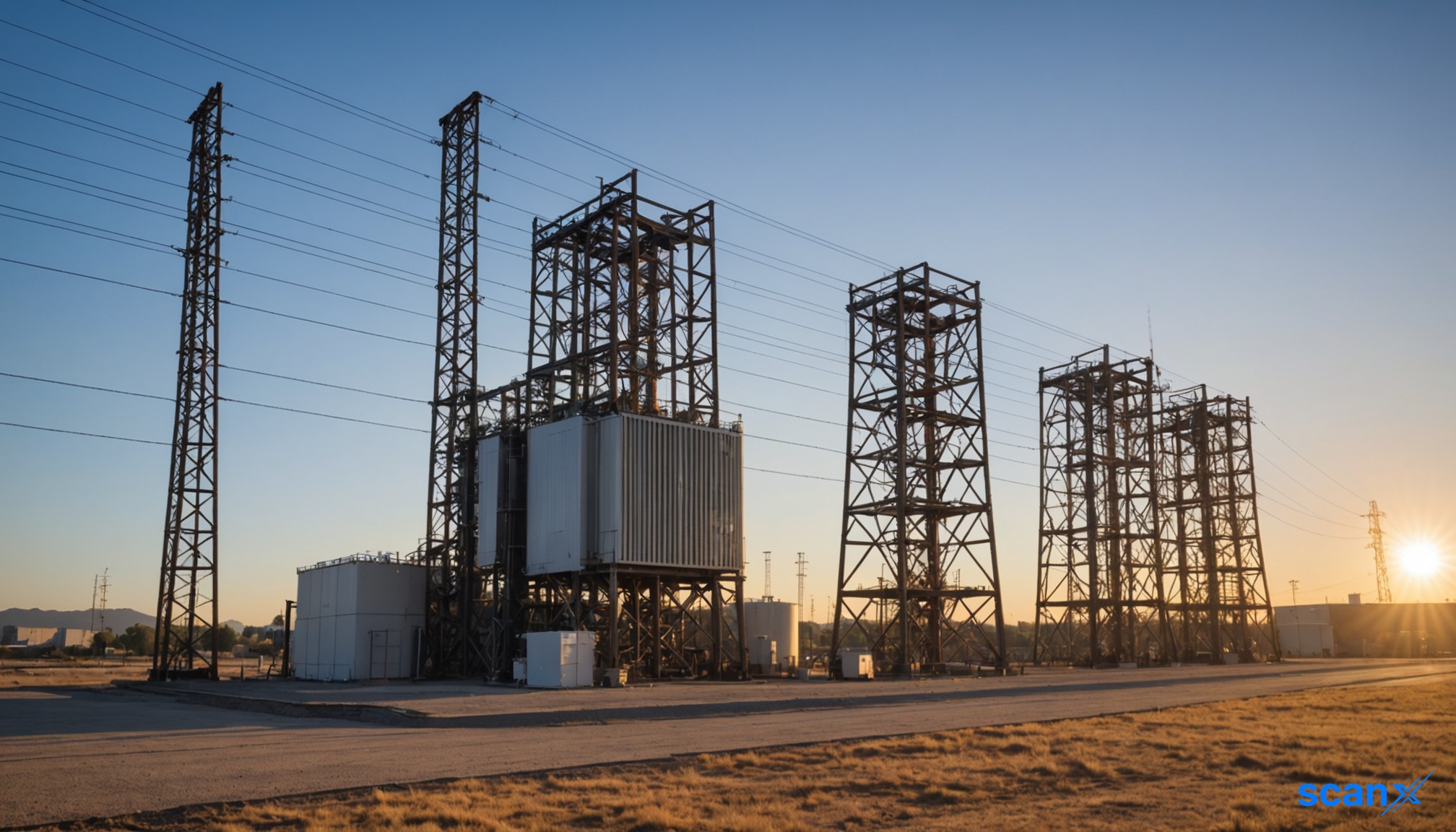
*this image is generated using AI for illustrative purposes only.
IREN Ltd (NASDAQ: IREN) shares rose 3.95% to $43.22 on Wednesday, driven by news that its 2-gigawatt Sweetwater Hub in Texas was conditionally included in the ERCOT Base Load process.
The stock gained momentum alongside broader market strength, with the Nasdaq rising 0.97% and the S&P 500 gaining 0.46%. The rally follows dual analyst upgrades from JPMorgan and BTIG earlier in the week, which cited robust demand for IREN’s neocloud infrastructure.
Sweetwater Hub Expansion
On September 8, IREN announced that its Sweetwater Hub was conditionally included as Base Load in ERCOT’s Batch Zero process. This classification is critical for securing the large-scale electricity access required for energy-intensive AI data centers.
The hub comprises two facilities:
- Sweetwater 1: 1.4 GW of capacity
- Sweetwater 2: 600 MW of capacity
Together, these sites form part of IREN’s more than 5-GW global data center development portfolio. IREN has already energized the high-voltage substation at Sweetwater 1 and is building 300 MW of gross data center capacity there, with delivery targeted for the fourth quarter of 2027.
ERCOT’s classifications remain conditional and subject to further approvals. However, the disclosure highlights a broader trend in Texas, where grid operator ERCOT revealed more than 5 gigawatts of conditional power capacity for AI deployments as Bitcoin miners pivot toward AI infrastructure.
Analyst Upgrades and Valuation
JPMorgan analyst Richard Choe upgraded IREN from Underweight to Overweight, raising the price target from $46 to $65. Choe highlighted the company’s potential as a top-tier neocloud provider, supported by its partnership with NVIDIA Corp (NASDAQ: NVDA).
Key points from JPMorgan’s note include:
- Neocloud contract pricing has risen from $10-$15 per Watt to $15-$20 per Watt or higher.
- Customer pre-payments range from 25% to 50% of deal values, helping fund GPU procurement.
- IREN raised its 2026 annual recurring revenue (ARR) guidance to as much as $4.0 billion.
BTIG analyst Gregory Lewis maintained a Buy rating with an $80 price target, describing IREN as one of the few vertically integrated AI service providers combining power and compute capabilities. Freedom Capital Markets maintained a Buy rating with a $58 forecast on September 2. The stock carries a Buy consensus rating with an average price forecast of $79.40.
Capacity Metrics
IREN ended June with 40 MW of operational capacity. The company projects reaching approximately 400 MW by the end of 2026, supporting its $4 billion ARR guidance. For the upcoming year, IREN expects to bring on around 730 MW of compute capacity. Additionally, the company holds approximately 1.1 GW of international power capacity across Spain and Australia.
Technical Analysis
IREN traded above its short-term moving averages, sitting 6.6% above its 20-day simple moving average (SMA) of $41.63 and 10.2% above its 50-day SMA of $40.28. The 20-day SMA has moved above the 50-day SMA, signaling bullish short-term momentum. However, the longer-term trend remains mixed, with the stock trading 5.8% below its 100-day SMA of $47.14 and 2.5% below its 200-day SMA of $45.55. The 50-day SMA remains below the 200-day SMA, indicating the stock is still recovering from a bearish "death cross" that formed in August.
The relative strength index stood at 53.45, indicating a neutral reading where the stock is neither overbought nor oversold. Resistance sits near $49, while support is around $37.50. IREN has a Momentum score of 37.18 according to the Benzinga Edge scorecard, which remains neutral despite recent improvements.
What the Numbers Show
The conditional inclusion of the Sweetwater Hub in ERCOT’s Base Load validates IREN’s strategy of leveraging its existing power infrastructure for AI expansion. With contract prices rising to $15-$20 per Watt and significant customer pre-payments funding growth, the company is positioning itself to capitalize on the tight supply of both power and compute resources in the US market.

How might the conditional nature of ERCOT's Base Load classification impact IREN's timeline for securing final power contracts and achieving its Q4 2027 delivery target?
Given the rise in neocloud contract pricing to $15-$20 per Watt, how could this affect the competitive landscape and potential margin pressure on other AI infrastructure providers?
To what extent will IREN's reliance on customer pre-payments (25%-50% of deal values) mitigate capital expenditure risks during the rapid scaling from 40 MW to 400 MW by end of 2026?
 17
17












 Create Custom Screeners
  Access 200+ Pre-built Filters
  Use 50+ Readymade Screener





