IonQ Skyloom OCTs reach 84 on-orbit for SDA mission

scanx
Reviewed by
Suketu GScanX News Team
Key Highlights
  • Skyloom Global, an IonQ subsidiary, reached 84 on-orbit OCT installations
  • Dozens of new terminals launched on July 16, 2026 via SpaceX Falcon 9
  • Deployment supports SDA's Proliferated Warfighter Space Architecture
  • Marks second OCT-equipped vehicle launch and third Transport Layer launch
powered bylight_fuzz_icon
49120116

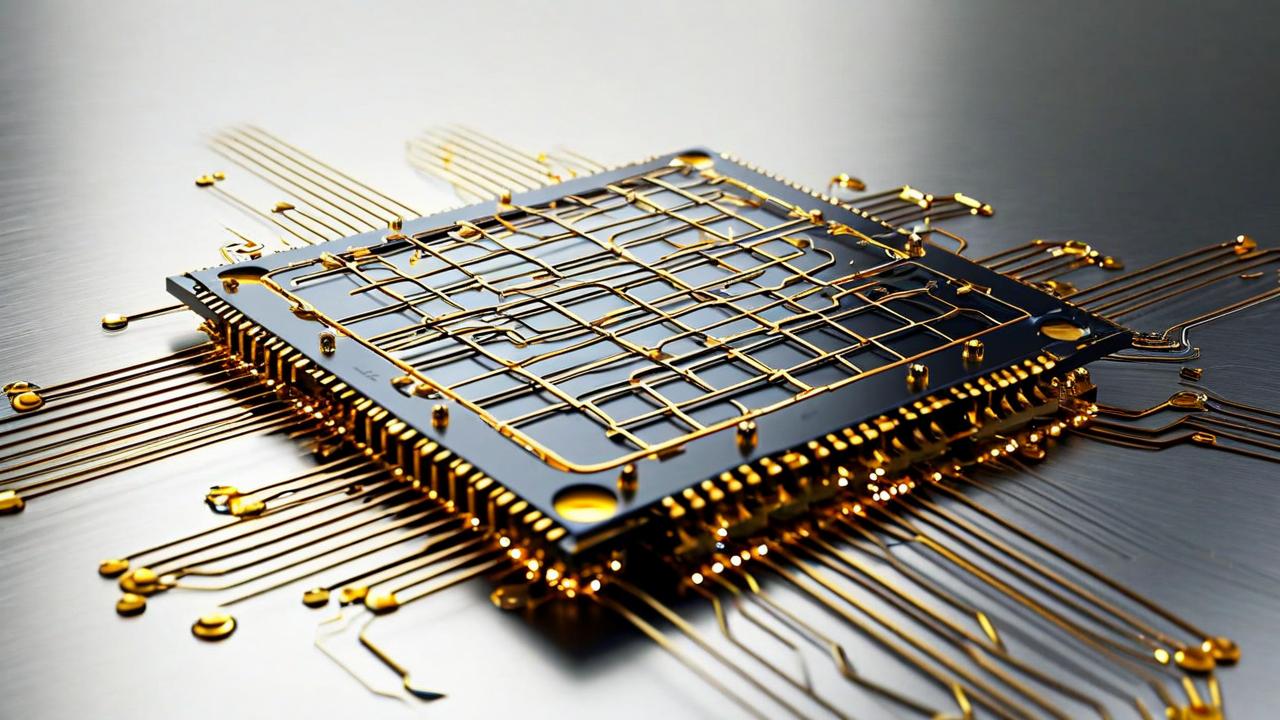
*this image is generated using AI for illustrative purposes only.

Skyloom Global, LLC, an IonQ (NYSE: IONQ) subsidiary, has reached 84 on-orbit installations of its optical communication terminals (OCTs). This milestone follows the July 16, 2026 deployment of dozens of additional terminals aboard York Space Systems satellites.

The launch occurred aboard a SpaceX Falcon 9 rocket from Vandenberg Space Force Base in California. These terminals support the Space Development Agency’s (SDA) Proliferated Warfighter Space Architecture (PWSA). The deployment builds upon previous OCT installations launched during the agency’s first Tranche 1 mission in September 2025.

Operational Footprint

The latest installation brings the total number of Skyloom OCTs on orbit to 84. This accumulation represents one of the largest operational lasercomm payload footprints in low-Earth orbit. The terminals provide secure, high-performance communications capabilities for the space-based architecture.

Jordan Shapiro, President of Quantum Platform at IonQ, stated that the milestone reflects years of focused industrialization. He noted that as space networking evolves toward higher-throughput optical architectures, these proven OCTs provide the backbone for resilient, data-rich mesh networks.

Deployment Timeline

Milestone Date Details
First Tranche 1 Mission September 2025 Initial OCT launches
Latest Launch July 16, 2026 Dozens of additional OCTs deployed; total reaches 84

This is the second deployment of space vehicles equipped with OCTs and the third deployment of Transport Layer Tranche 1 space vehicles overall. SDA moves closer to completion of the Tranche 1 PWSA Transport Layer constellation with this launch. These spacecraft are designed to provide high-throughput, low-latency communications essential to national defense.

Skyloom specializes in developing space-based optical technology. The successful integration with York Space Systems satellites marks a significant step toward the full realization of the Proliferated Warfighter Space Architecture.

How will the completion of the SDA's Tranche 1 Transport Layer constellation impact IonQ's near-term revenue recognition and backlog visibility?

What are the projected timelines and technical specifications for Skyloom's potential involvement in SDA's subsequent Tranche 2 or 3 missions?

How does Skyloom's current market share in optical communication terminals compare to competitors like Telesat or Viasat in the emerging space-based lasercomm sector?

like15
dislike

IonQ integrates trapped-ion systems into Canada's FABrIC quantum sandbox

scanx
Reviewed by
Jubin VScanX News Team
Key Highlights

IonQ has signed an MOU with CMC Microsystems to integrate its commercial trapped-ion quantum systems into the FABrIC Quantum Computing Sandbox. The non-binding agreement designates IonQ as a listed cloud provider for the $217 million government-backed initiative, aimed at expanding quantum access for Canadian academics and SMEs.

powered bylight_fuzz_icon
48629553

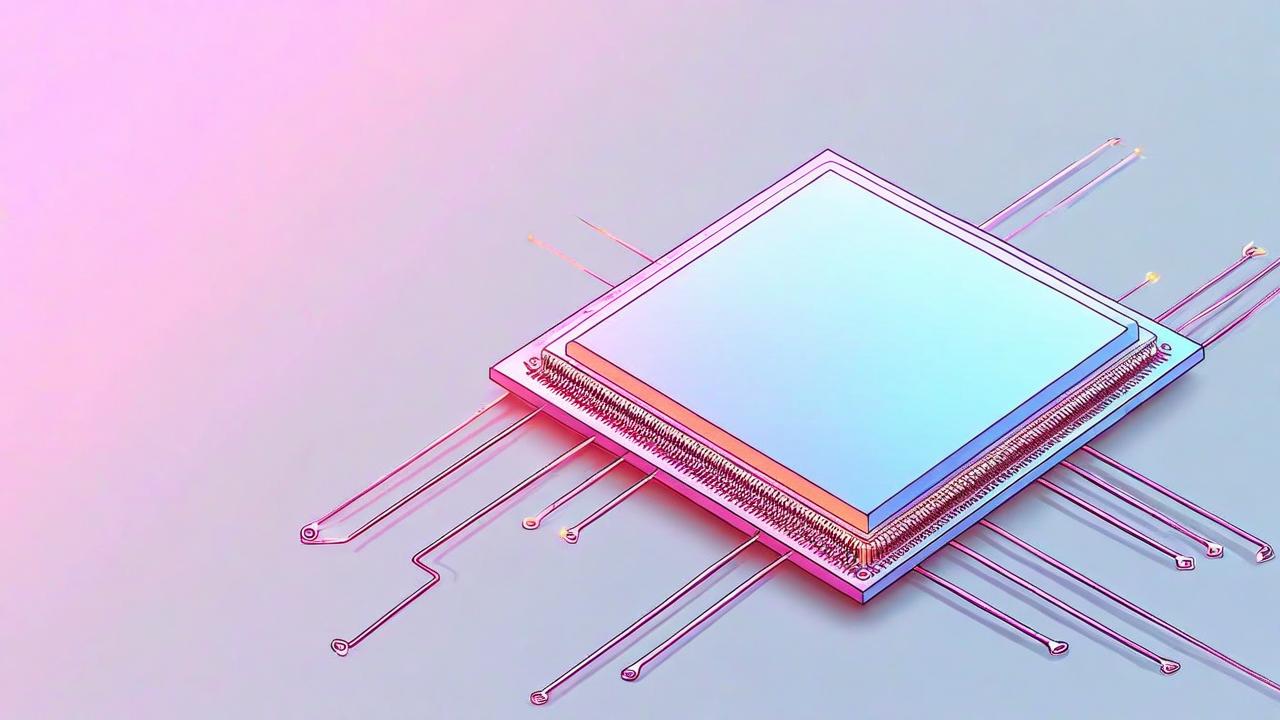
*this image is generated using AI for illustrative purposes only.

IonQ (NYSE: IONQ) has entered a collaboration with Canadian Microelectronics Corporation, operating as CMC Microsystems, to integrate its commercial trapped-ion quantum computing systems into Canada's FABrIC Quantum Computing Sandbox (QCS). The partnership is formalized through a newly signed memorandum of understanding (MOU) that designates IonQ as a listed cloud quantum computing access provider for the QCS.

The FABrIC initiative is backed by funding from the Government of Canada’s Strategic Response Fund (SRF) and managed by CMC Microsystems. The program aims to strengthen the nation's semiconductor and quantum industries by providing engineering support and cloud quantum computing access to Canadian academics and small-to-medium sized enterprises.

Strategic Context

Lisa Lambert, Vice President of Global Strategy and Managing Director for Canada at IonQ, stated that innovation accelerates when researchers and businesses can work with frontier quantum computing systems. She noted that the FABrIC Quantum Computing Sandbox expands access to IonQ’s commercial technology, enabling more Canadian researchers and businesses to build quantum expertise.

Gordon Harling, CEO of CMC Microsystems, described the move as FABrIC’s mandate in action. He emphasized that pairing a leading commercial quantum computing platform with the expertise to use it allows Canadian innovators to move from access to application.

What the Numbers Show

The collaboration is part of the broader FABrIC initiative, which carries a total funding value of $217 million. This capital allocation underscores the scale of government-backed investment supporting the ecosystem in which IonQ’s technology will be deployed. The integration of IonQ’s systems into this funded sandbox provides a direct channel for its technology to reach the specific target demographic of Canadian SMEs and academic institutions supported by the SRF.

Technical Capabilities

IonQ describes itself as the world’s leading quantum platform and foundry, delivering integrated solutions across computing, networking, sensing, and security. Its newest generation of quantum computers, the IonQ Tempo, represents the latest in its line of cutting-edge systems.

The company reports that earlier systems have helped customers and partners, including Amazon Web Services, AstraZeneca, and NVIDIA, achieve a 20x performance increase over previous quantum solutions. In 2025, IonQ achieved 99.99% two-qubit gate fidelity, which the company states set a world record in quantum computing performance.

Forward-Looking Statements

IonQ cautioned that the MOU establishes a non-binding framework for collaboration. It does not obligate either party to enter into any definitive agreement, nor does it require the purchase, provision, or deployment of any products or services. The agreement may be terminated by either party, and there is no assurance that it will result in any definitive agreement or revenue.

How might IonQ's integration into the FABrIC sandbox accelerate the adoption of quantum computing among Canadian SMEs compared to traditional enterprise sales cycles?

What specific competitive advantages does IonQ's trapped-ion technology offer over superconducting or photonic alternatives for the applications targeted by Canadian academic and industrial partners?

Given the non-binding nature of the MOU, what key milestones or performance metrics will likely determine whether this collaboration evolves into a definitive commercial agreement?

like17
dislike

More News on IonQ Inc