

HAL: FY26 Revenue Set At Rs 32,250 Crore As Order Book Grows To Rs 2.54 Lakh Crore


Hindustan Aeronautics Limited reported strong FY 2025-26 performance with revenue of Rs 32,250 crores versus Rs 30,981 crores in the previous year. The company's order book expanded significantly to Rs 2.54 lakh crores, driven by major contracts including Rs 62,370 crores for 97 LCA Mk1A aircraft. HAL distributed Rs 3,344 crores in dividends and achieved key milestones in capacity expansion, civil aviation entry, and digital transformation initiatives.


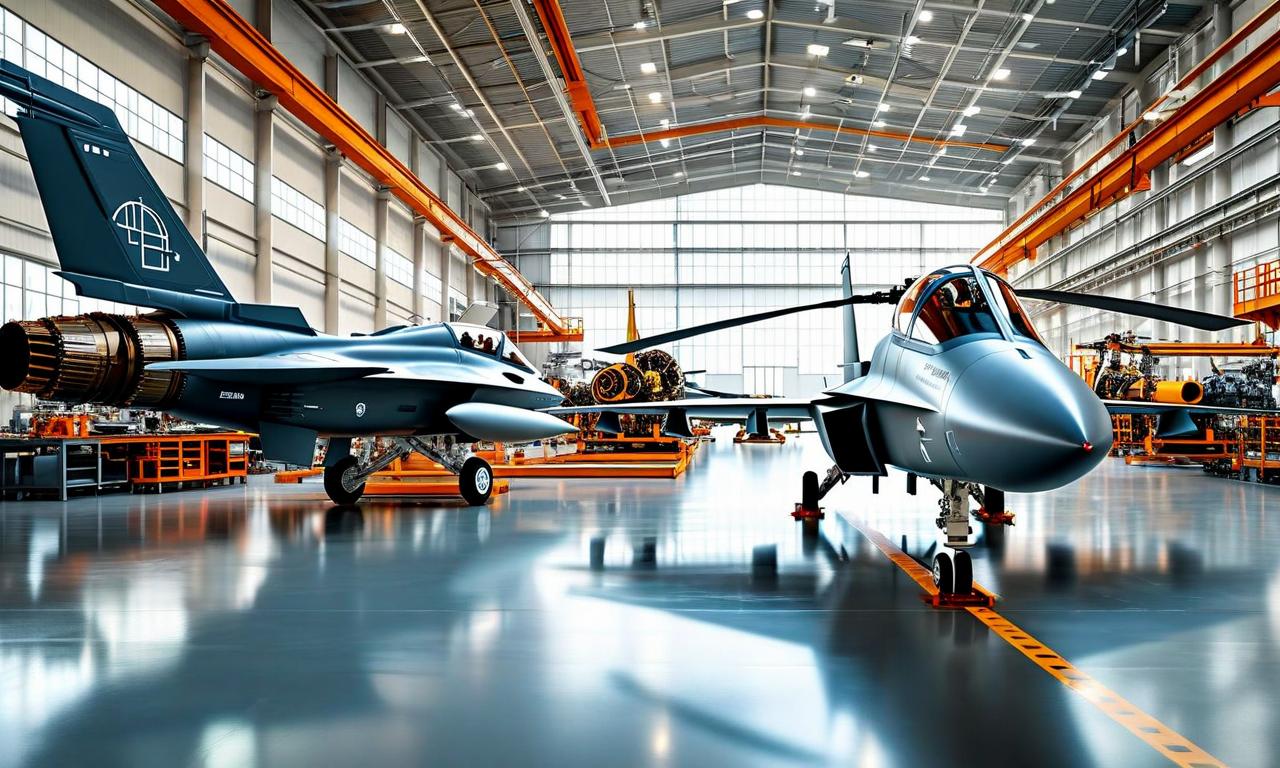
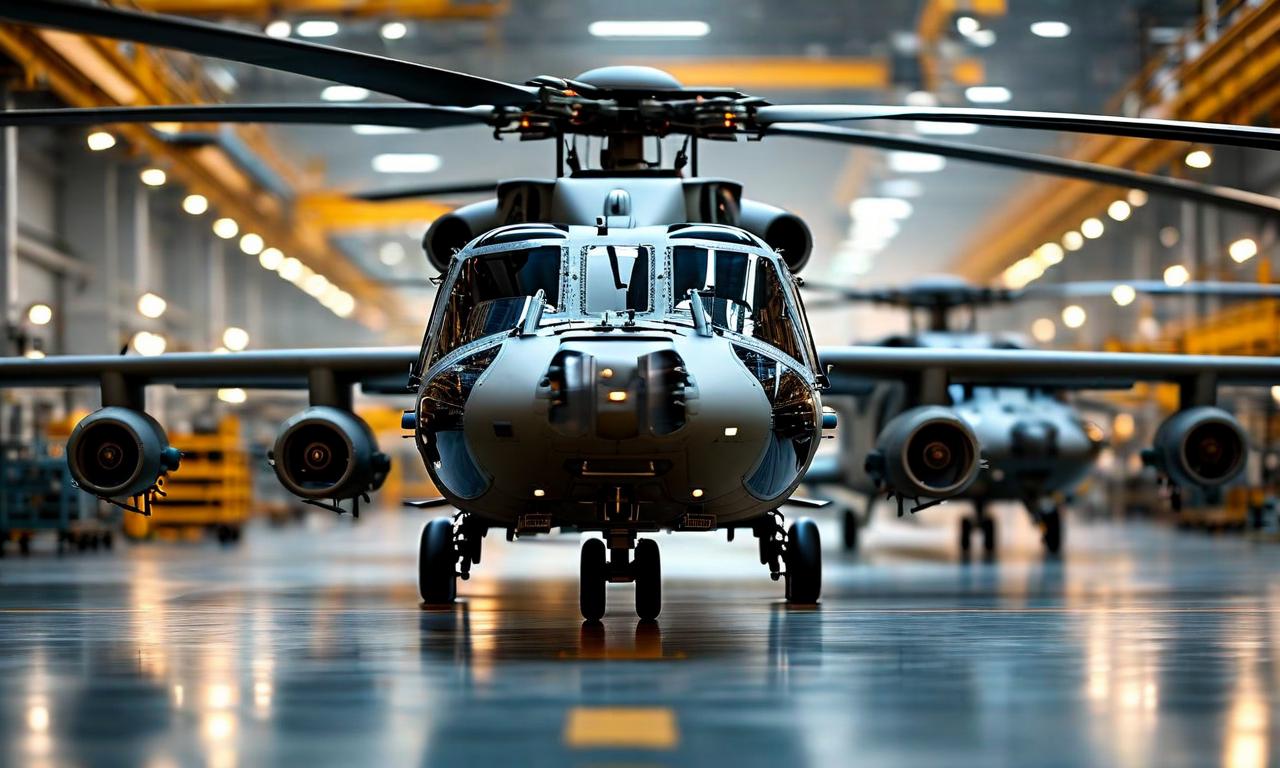
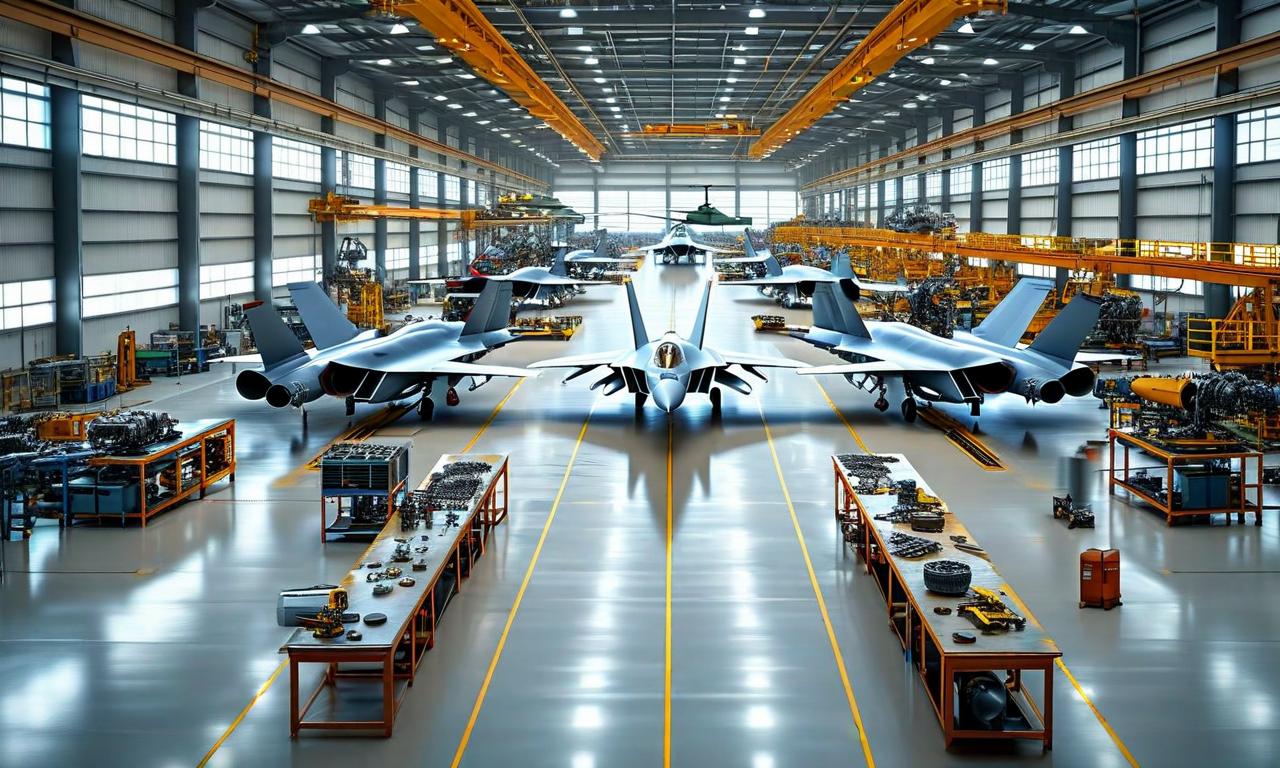
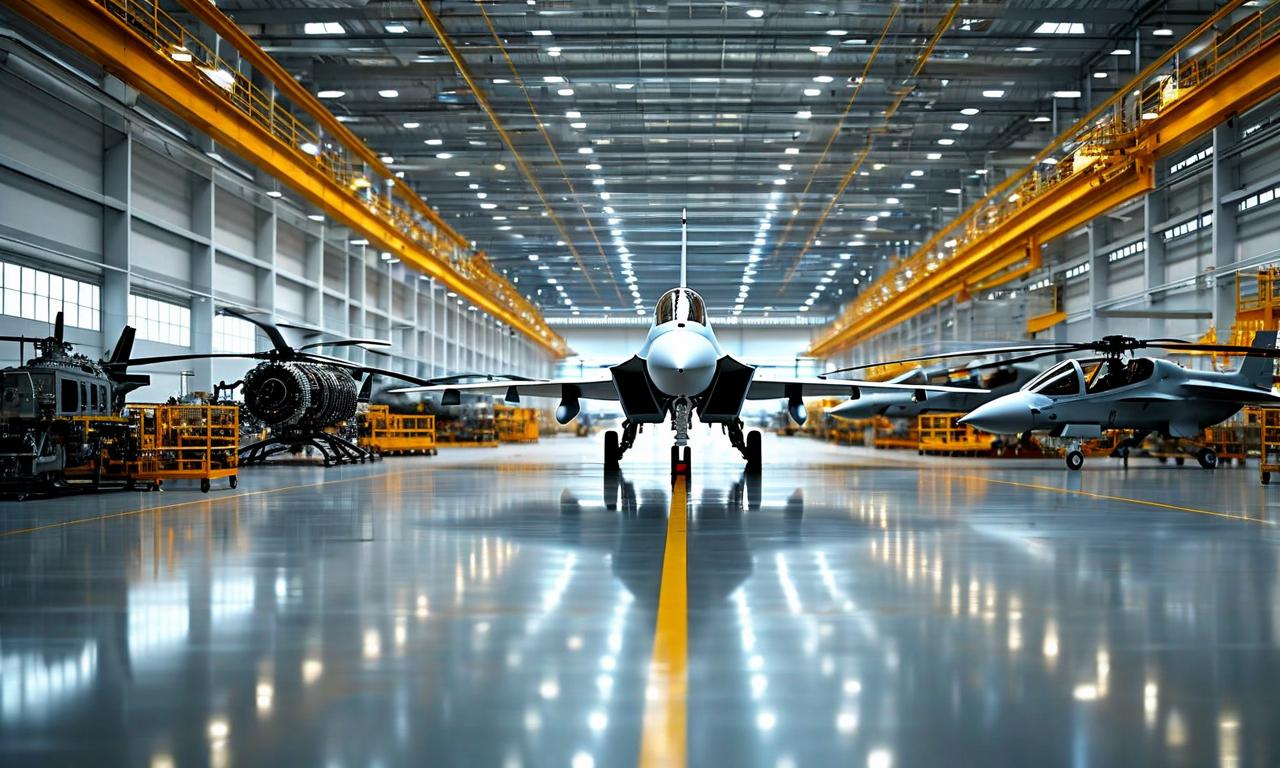
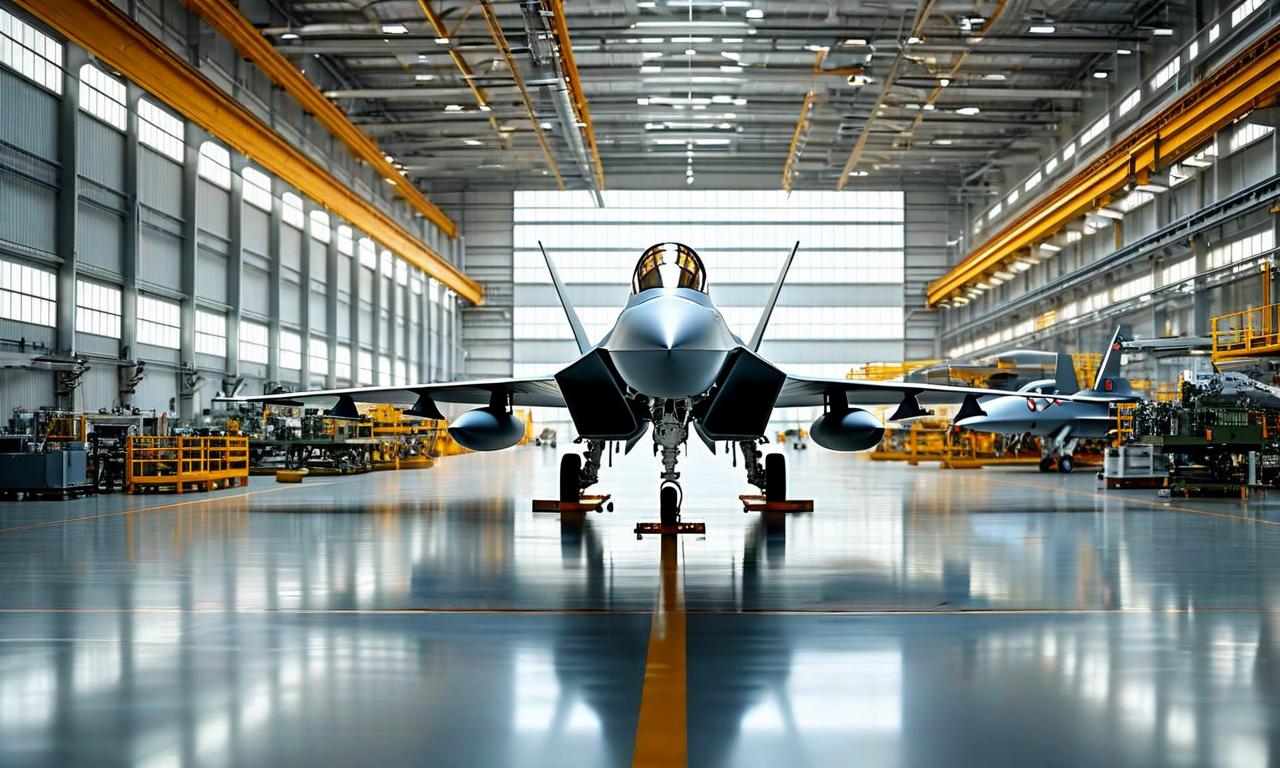
*this image is generated using AI for illustrative purposes only.
Hindustan aeronautics Limited (HAL) delivered strong financial performance in FY 2025-26, recording revenue of Rs 32,250 crores compared to Rs 30,981 crores in the previous year. The aerospace and defence manufacturer sustained growth momentum despite facing supply chain disruptions and geopolitical challenges that impacted certain product deliveries.
Financial Performance and Revenue Growth
The company's revenue figures represent provisional and unaudited results for the financial year ended March 31, 2026. While HAL faced challenges in deliveries of LCA Mk1A and HTT 40 due to supply chain issues arising from geopolitical and technical challenges, the company compensated by accelerating deliveries of other key products.
| Product Category: | Performance Impact |
|---|---|
| LCA Mk1A & HTT 40: | Delivery challenges due to supply chain issues |
| ALH Helicopters: | Accelerated deliveries |
| AL31-FP Engines: | Increased delivery pace |
| RD-33 Engines: | Enhanced production output |
| Other Products & Services: | Maintained delivery schedules |
Order Book Expansion and Major Contracts
HAL's order book demonstrated remarkable growth, reaching Rs 2.54 lakh crores as of March 31, 2026, compared to the opening position of Rs 1.89 lakh crores after adjusting for current-year liquidation. This substantial increase was driven by several major contract wins during the year.
| Contract Details: | Value | Quantity |
|---|---|---|
| Light Combat Aircraft (LCA) Mk1A: | Rs 62,370 crores | 97 aircraft |
| ALH CG Helicopters: | Rs 2,704 crores | 6 units |
| Dornier CG Aircraft: | Rs 2,186 crores | 8 units |
The outstanding manufacturing orders for helicopters, aircraft, and engines provide long-term revenue visibility spanning the next 7-8 years, while the repair, overhaul, and spares order book remains robust with positive future outlook.
Dividend Distribution and Shareholder Returns
HAL maintained its commitment to shareholder returns through substantial dividend payments during FY 2025-26. The company distributed dividends totaling Rs 3,344 crores, comprising both interim and final dividend payments.
| Dividend Type: | Rate per Share | Total Amount |
|---|---|---|
| Interim Dividend FY 2025-26: | Rs 35/- per equity share | Rs 2,341 crores |
| Final Dividend FY 2024-25: | Rs 15/- per equity share | Rs 1,003 crores |
| Total Cash Outflow: | - | Rs 3,344 crores |
Capacity Expansion and Manufacturing Enhancement
The company achieved significant milestones in capacity augmentation during the year. HAL operationalised the third LCA Tejas production line and second HTT 40 line at its Nasik Division, enhancing manufacturing capabilities for key defence platforms.
A strategic partnership was established with Mishra Dhatu Nigam Limited (MIDHANI) through an MoU to set up a Strategic Metal Bank for critical raw materials, supporting self-reliance initiatives in strategic materials procurement.
Civil Aviation Entry and Diversification
HAL marked its entry into the civil aviation sector with the inaugural flight of the Dhruv NG helicopter, representing a significant diversification milestone. The first series-production Hindustan Turbo Trainer-40 (HTT-40) aircraft also completed its maiden flight during the year.
Key partnerships and contracts in the civil segment included:
- MoU with Public Joint Stock Company United Aircraft Corporation (PJSC-UAC) in Moscow for SJ-100 civil commuter aircraft production
- Contract with Pawan Hans Ltd for supply of 10 Dhruv NG helicopters
- Agreement with Jags Aviation, Guyana for two Hindustan-228 aircraft, delivered ahead of schedule
Technology and Digital Transformation
HAL signed the SSLV Technology Transfer Agreement with ISRO, IN-SPACE, and NSIL, transitioning from component supplier to full launch service provider in the small satellite market. The company implemented comprehensive digital transformation initiatives including Robotics Process Automation, AI-enabled systems such as Flight Snag Intelligence, and Daily Digital Inspection systems.
As part of its long-term digital strategy, HAL is centralising IT infrastructure by consolidating servers, establishing a Tier-3 Data Centre, and developing a Private Cloud platform.
Sustainability and Corporate Initiatives
The company established cumulative renewable energy capacity of 50.15 MW, meeting approximately 40% of electricity requirements from renewable sources. HAL launched a first-of-its-kind Endowment Scholarship Scheme in partnership with Indian Institute of Technology, Madras (IITM) to support meritorious students from economically weaker sections for 15 years.
Dr. D K Sunil, CMD, HAL, stated that the company demonstrated resilience while strengthening its order pipeline, expanding manufacturing capability, and diversifying into civil segments. With enhanced manufacturing capabilities and stabilising supply chains, HAL is positioned for strong financial performance in FY 2026-27 and beyond.
Historical Stock Returns for Hindustan Aeronautics
| 1 Day | 5 Days | 1 Month | 6 Months | 1 Year | 5 Years |
|---|---|---|---|---|---|
| +2.91% | +1.65% | -0.82% | +30.62% | -1.12% | +600.51% |

How will HAL's partnership with MIDHANI for the Strategic Metal Bank impact its supply chain resilience and reduce dependency on imports for critical raw materials?
What market share can HAL realistically capture in India's civil aviation sector with its Dhruv NG helicopter and diversification strategy?
Will HAL's transition to full launch service provider for small satellites through the ISRO partnership create a significant new revenue stream beyond traditional defense contracts?
 17
17






 Create Custom Screeners
  Access 200+ Pre-built Filters
  Use 50+ Readymade Screener





