

GP Eco Solutions details FY26 performance, FY27 outlook


GP Eco Solutions India Limited disclosed the transcript of its H2 FY26 earnings call, highlighting the commissioning of its Dasna Giga factory and a strategic shift towards manufacturing. Despite missing the FY26 revenue target of ₹550-600 crore due to project deferrals, the company achieved a 3-4X growth in PBT. For FY27, management projects a 2-3X increase in revenue and PBT, with an 8-10% rise in EBITDA margins, driven by a full product portfolio under the Invergy brand and a confirmed order pipeline of ₹420 crore across EPC, BESS, and inverter segments.


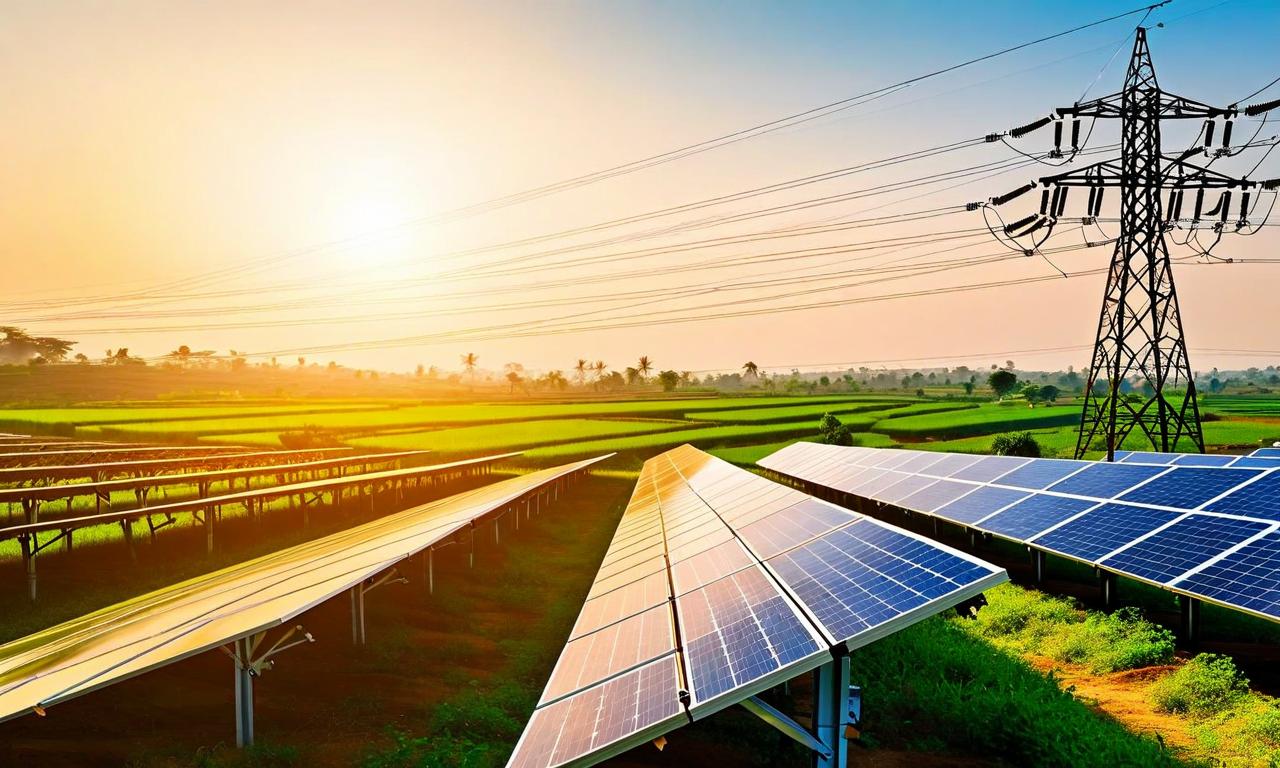
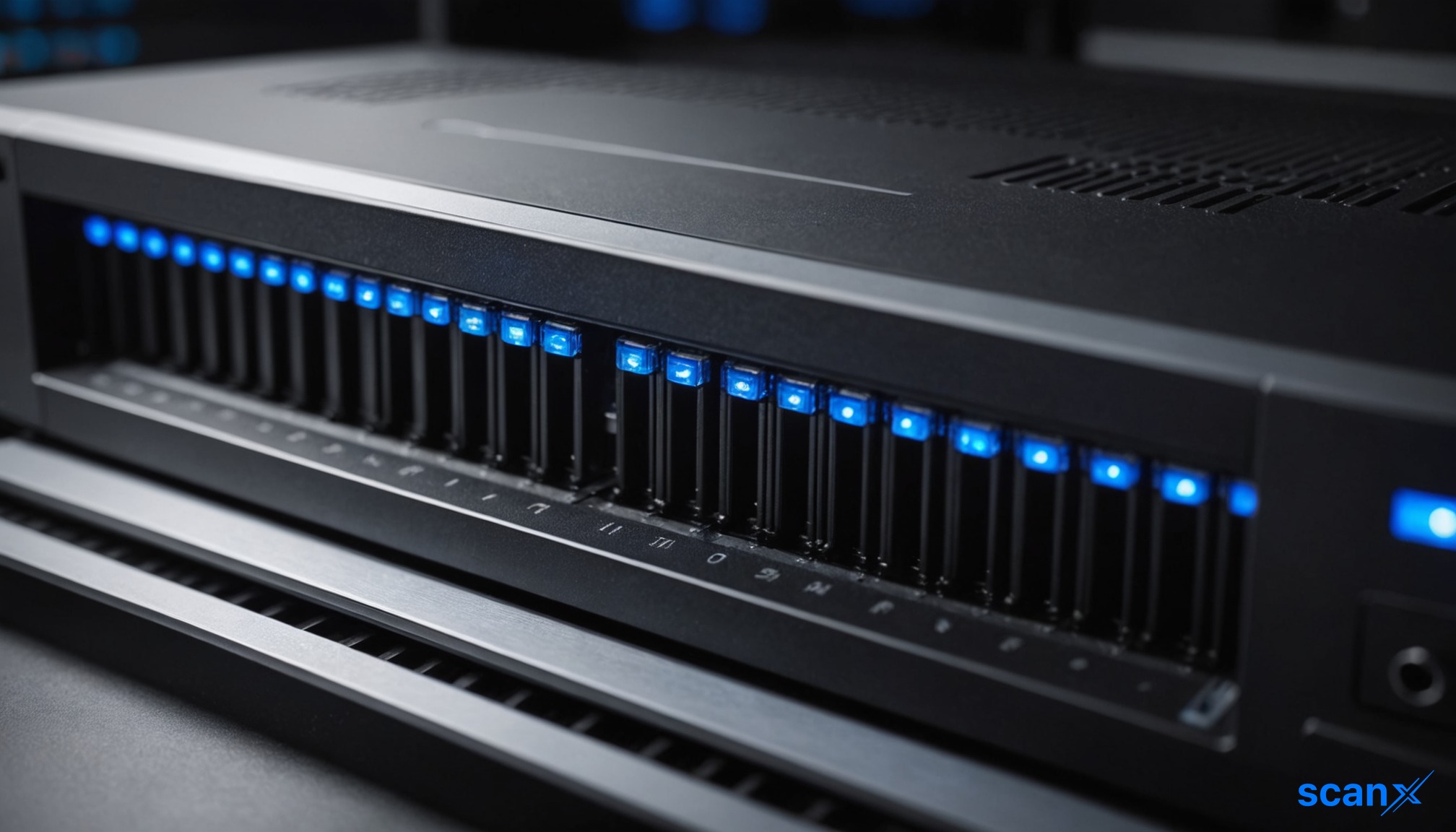
*this image is generated using AI for illustrative purposes only.
GP Eco Solutions India Limited has disclosed the transcript of its H2 FY26 earnings conference call held on June 10, 2026. The management, led by Managing Director Mr. Deepak Pandey and Director Mr. Astik Mani Tripathi, outlined the company's transformation into an integrated clean energy manufacturer following the commissioning of its Dasna Giga factory. The company provided guidance for FY27, targeting a two to three times growth in revenue and profit before tax (PBT), alongside an 8 to 10% increase in EBITDA margins.
Operational Highlights and Strategic Shifts
Financial Year 2025-26 marked a strategic pivot for the company, with the manufacturing vertical contributing 31% of revenue compared to 17% in the previous year. The contribution from distribution decreased to 53% from 76%, while the EPC vertical, through subsidiary GPS Green Projects Private Limited, increased its share to 16% from 7%. For FY27, the company anticipates a revenue mix of approximately 53% from Invergy production, 33% from GPS Green Projects, and 13% from distribution.
Giga Factory and Capacity Expansion
The company commissioned the first phase of its state-of-the-art Giga factory at Dasna, Uttar Pradesh, on May 30, 2026. Management confirmed that the facility is expected to achieve full operational capacity of 3 gigawatt-hours by September 30, 2026. The total investment in the facility is approximately ₹200 crore. Looking ahead, the company plans to expand capacity to 5 gigawatt-hours by 2027-28, contingent on order accruals and performance in the current fiscal year.
Financial Performance and Order Book
The company reported a three to four times growth in PBT for FY26, fulfilling previous guidance despite missing the revenue target of ₹550-600 crore. Actual revenue for the year was ₹414 crore, impacted by the deferral of projects worth approximately ₹150-200 crore to FY27 due to policy changes and increased raw material costs. The confirmed cumulative order pipeline stands at approximately ₹50 crore for the EPC segment, ₹300 crore for BESS orders, and over ₹70 crore for the inverter segment.
Product Portfolio and Market Position
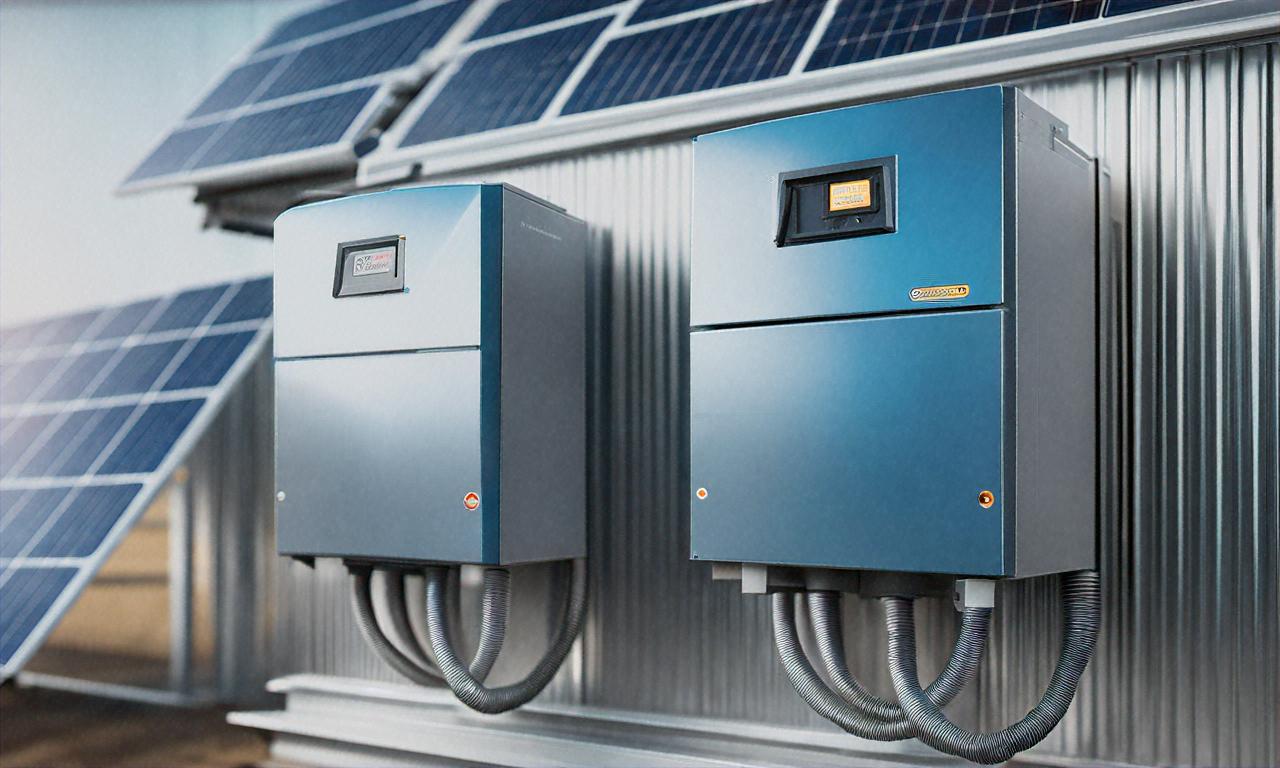
Under the Invergy brand, the company offers a complete range of battery energy storage systems (BESS) and PV string inverters. The portfolio includes residential units (5-30 kilowatt-hour), commercial and industrial solutions (50-kilowatt to 2 megawatt-hour), and utility-scale storage (3-5 megawatt-hour). The company highlighted its differentiation as a genuine manufacturer, conceptualizing and assembling products in India, which allows it to compete with international prices and offer customized solutions.
| Metric | FY26 Actual | FY27 Guidance |
|---|---|---|
| Revenue Growth | Missed target (₹414 CR) | 2X - 3X |
| PBT Growth | 3X - 4X | 2X - 3X |
| EBITDA Margin Expansion | - | 8% - 10% |
| Giga Factory Capacity | Phase 1 commissioned | 3 GWh by Sept 30, 2026 |
The transcript was submitted to the National Stock Exchange of India Ltd under Regulation 30 of the SEBI (Listing Obligations & Disclosure Requirements) Regulations, 2015.
Historical Stock Returns for GP Eco Solutions
| 1 Day | 5 Days | 1 Month | 6 Months | 1 Year | 5 Years |
|---|---|---|---|---|---|
| +4.02% | +9.98% | +7.11% | +40.65% | -19.81% | +8.84% |

What specific policy changes caused the ₹150-200 crore project deferral, and are these risks resolved for FY27?
How will the company fund the planned capacity expansion to 5 GWh by 2027-28 given the current capital expenditure?
What is the strategy to secure the necessary order accruals to justify the expansion from 3 GWh to 5 GWh capacity?
 18
18







 Access 50+ Readymade Screeners
  Use 200+ Custom Filters
  Get Full Market Insights





