

Godawari Power Receives Consent to Operate 6.91 MW Waste Heat Recovery Plant


Godawari Power And Ispat Limited has received regulatory consent to operate a 6.91 MW waste heat recovery power plant at its Siltara Industrial Area facility in Raipur, Chhattisgarh. The plant utilizes waste heat from flue gas generated from the company's Pellet Plant and Ferro Alloys Division, with trial operations starting April 2nd, 2026 and commercial operations expected by month-end.


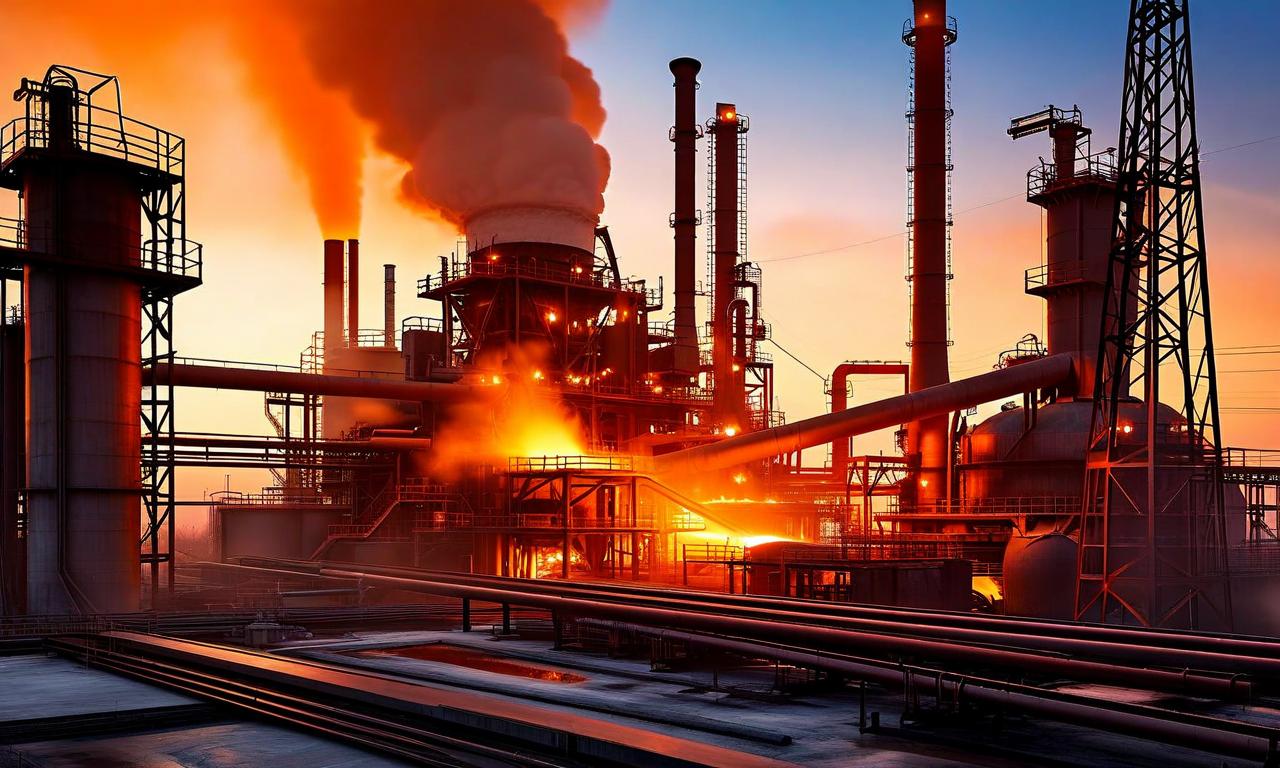
*this image is generated using AI for illustrative purposes only.
Godawari Power And Ispat Limited has received Consent to Operate from the Chhattisgarh Environment Conservation Board for its 6.91 MW waste heat recovery power plant. The consent was granted on April 2nd, 2026, marking a significant milestone in the company's sustainable energy initiatives at its Siltara Industrial Area facility in Raipur, Chhattisgarh.
Plant Specifications and Location
The approved facility represents a strategic addition to the company's power generation capabilities at its integrated steel plant:
| Parameter: | Details |
|---|---|
| Plant Capacity: | 6.91 MW |
| Technology: | Waste Heat Recovery |
| Location: | Siltara Industrial Area, Raipur, Chhattisgarh |
| Consent Date: | April 2nd, 2026 |
| Trial Operations: | Started April 2nd, 2026 |
| Commercial Operations: | Expected by end of April 2026 |
Operational Implementation
The waste heat recovery power plant utilizes waste heat from flue gas generated from the company's Pellet Plant and Ferro Alloys Division. This technology enables the conversion of previously unutilized thermal energy into electrical power, significantly improving overall energy efficiency at the integrated steel plant.
The facility has commenced its trial run and testing phase as of April 2nd, 2026, with commercial operations expected to begin by the end of April 2026. This timeline demonstrates the company's readiness to operationalize the approved capacity quickly.
Environmental and Strategic Benefits
The 6.91 MW capacity addition will contribute substantially to the company's power generation portfolio while supporting environmental sustainability objectives. Waste heat recovery systems are recognized for their ability to reduce energy costs and minimize environmental impact by maximizing the utilization of available thermal resources from existing industrial processes.
The regulatory approval from the Chhattisgarh Environment Conservation Board positions Godawari Power And Ispat Limited to implement advanced energy recovery technologies within its operations, aligning with industrial best practices for energy efficiency and sustainable manufacturing processes.

Will Godawari Power And Ispat expand waste heat recovery technology to other facilities or increase capacity at the Siltara plant?
How will the 6.91 MW additional power generation impact the company's energy costs and overall profitability margins?
Could this sustainable energy initiative position Godawari Power And Ispat for ESG-focused investment opportunities or green financing?
 19
19







 Create Custom Screeners
  Access 200+ Pre-built Filters
  Use 50+ Readymade Screener





