

Gini Silk Mills FY26 Results: Net profit falls 12% to ₹158.58 lakh


Gini Silk Mills reported a 12% drop in net profit to ₹158.58 lakh for FY26, amid a 2.5% revenue decline to ₹3,904.33 lakh. Fabric sales fell significantly, though processing income rose. The Board recommended no dividend and seeks approval for related party transactions and director re-appointments at the upcoming AGM.


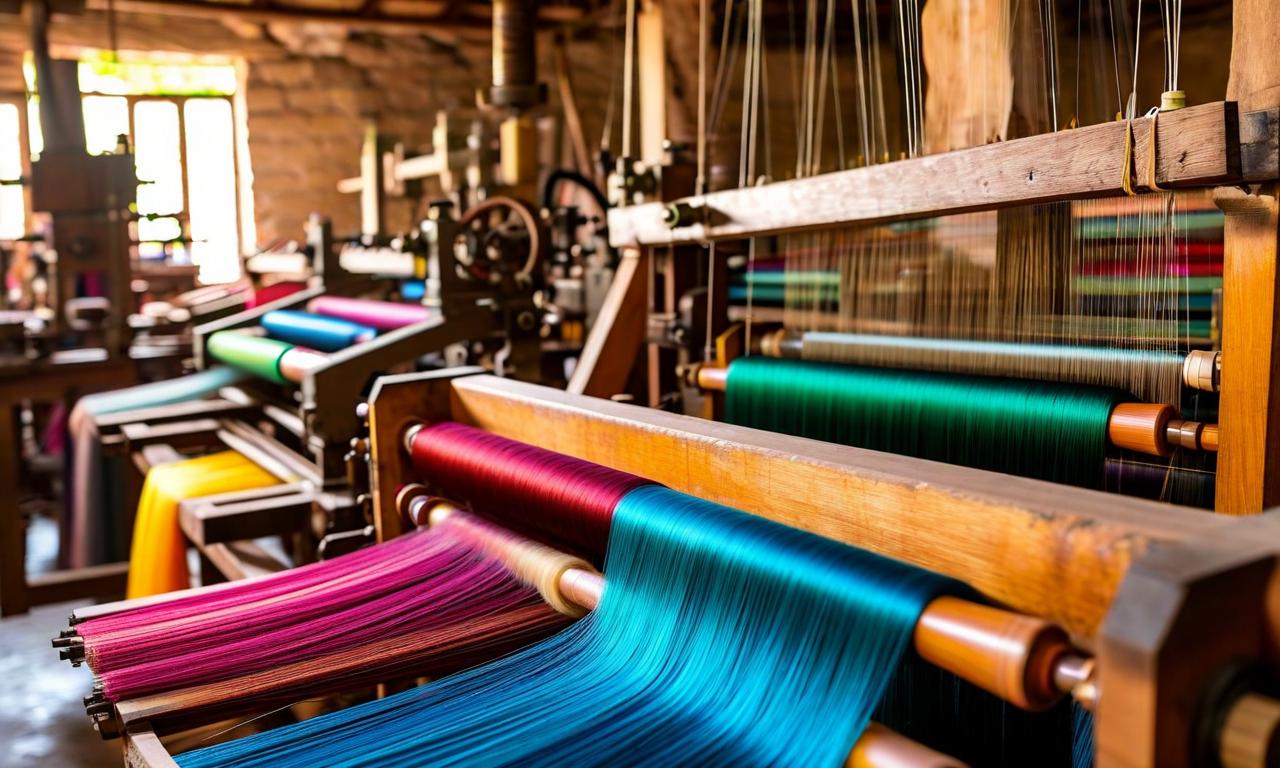
*this image is generated using AI for illustrative purposes only.
Gini Silk Mills Limited reported a net profit of ₹158.58 lakh for the financial year ended March 31, 2026, marking a 12% decline from ₹180.42 lakh in the previous year. Revenue from operations dropped 2.5% to ₹3,904.33 lakh from ₹4,002.65 lakh in FY25. The Board of Directors decided not to recommend any dividend for FY26, opting instead to retain earnings to support future growth and operational expansion. This performance reflects broader challenges in the textile sector, including fluctuating raw material costs and subdued demand.
The company submitted its annual report to BSE Limited on August 05, 2026, pursuant to Regulation 34 of the SEBI (Listing Obligations and Disclosure Requirements) Regulations, 2015. The audited financial statements were prepared in accordance with Indian Accounting Standards (Ind AS) and reviewed by statutory auditors M/s. Vatsaraj and Co. The report highlights a shift in revenue composition, with processing services becoming an increasingly significant contributor to the top line as traditional fabric sales faced headwinds.
Financial Performance
The decline in profitability was primarily driven by lower sales of finished fabrics, which fell to ₹612.66 lakh from ₹885.11 lakh in FY25. However, this was partially offset by a rise in processing income, which increased to ₹3,290.89 lakh from ₹3,116.90 lakh. Other income decreased to ₹243.83 lakh from ₹260.62 lakh, largely due to lower interest income and unrealized gains on investments.
Total expenses stood at ₹3,957.94 lakh, slightly lower than ₹4,051.17 lakh in the prior year. Employee benefit expenses rose to ₹486.29 lakh from ₹448.23 lakh, while finance costs declined significantly to ₹29.61 lakh from ₹55.59 lakh, reflecting reduced borrowing levels. Depreciation and amortization remained stable at ₹144.60 lakh.
| Metric | FY26 (₹ Lakh) | FY25 (₹ Lakh) | Change |
|---|---|---|---|
| Revenue from Operations | 3,904.33 | 4,002.65 | -2.5% |
| Other Income | 243.83 | 260.62 | -6.4% |
| Total Expenses | 3,957.94 | 4,051.17 | -2.3% |
| Profit Before Tax | 190.22 | 212.10 | -10.3% |
| Net Profit After Tax | 158.58 | 180.42 | -12.1% |
Corporate Governance and AGM
The company will hold its 46th Annual General Meeting on August 29, 2026, via video conference. Shareholders will vote on several key resolutions, including the re-appointment of Pranav Deepak Harlalka as Whole Time Director for three years starting August 10, 2026. His remuneration is set at ₹2,00,000 per month, subject to shareholder approval despite aggregate executive remuneration exceeding 5% of net profit.
Additionally, shareholders are asked to approve material related party transactions with Gini Tex Private Limited and loans from promoter Deepak Harlalka for FY27. These transactions include job work services, grey/dyed purchases, and rent, estimated at ₹3.90 crore. The Audit Committee has confirmed these deals are at arm’s length and in the ordinary course of business.
What the Numbers Show
A notable divergence exists between the company's operational segments: while core fabric sales contracted by over 30%, processing income grew by approximately 5.6%. This suggests a strategic pivot or market-driven shift towards job-work services, which likely offer better margin stability than finished goods sales. Furthermore, the sharp reduction in finance costs indicates improved debt management, with total borrowings falling to ₹325.95 lakh from ₹359.15 lakh, mostly comprising unsecured loans from directors rather than bank term loans.
Historical Stock Returns for Gini Silk Mills
| 1 Day | 5 Days | 1 Month | 6 Months | 1 Year | 5 Years |
|---|---|---|---|---|---|
| +1.42% | -10.69% | -3.56% | -5.32% | -20.21% | 0.0% |

How will Gini Silk Mills' strategic pivot towards processing services impact its long-term margin stability compared to traditional fabric sales?
What specific operational expansion plans are funded by the retained earnings, given the decision to skip dividends for FY26?
Could the significant reduction in finance costs signal a broader deleveraging trend that will improve future return on equity?
 19
19







 Access 50+ Readymade Screeners
  Use 200+ Custom Filters
  Get Full Market Insights





