GE Aerospace Q3FY26 Results: Analysts eye $12.84B revenue, EPS $1.99

scanx
Reviewed by
Jubin VScanX News Team
Key Highlights
  • GE Aerospace Q3 earnings scheduled for October 20
  • Consensus EPS estimate is $1.99, up from $1.66 YoY
  • Revenue forecast at $12.84 billion vs $11.3 billion last year
  • Wells Fargo cut price target to $380; JP Morgan raised it to $400
  • New MRO agreement signed with WZL-1 in Poland
powered bylight_fuzz_icon
53436953

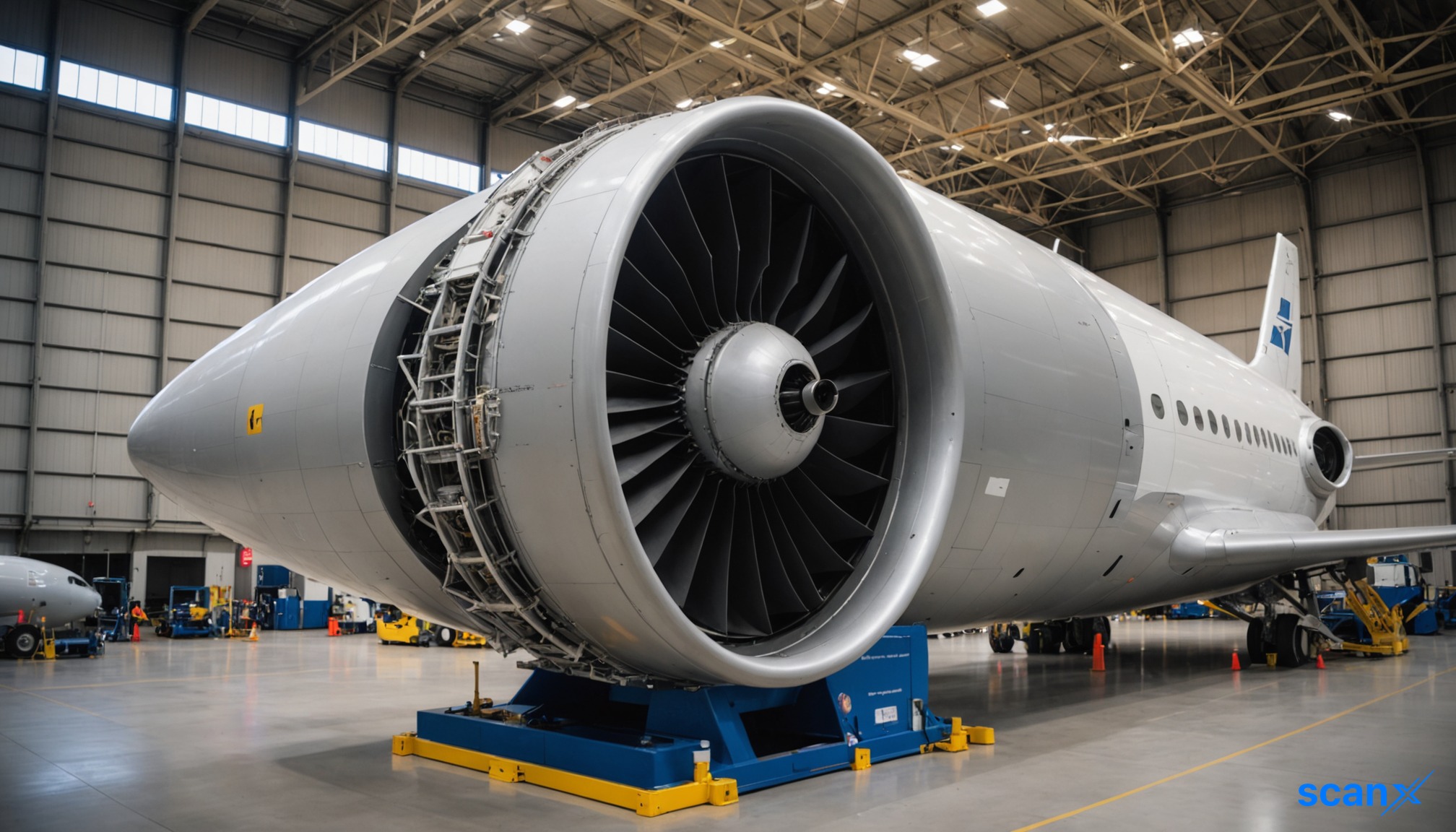
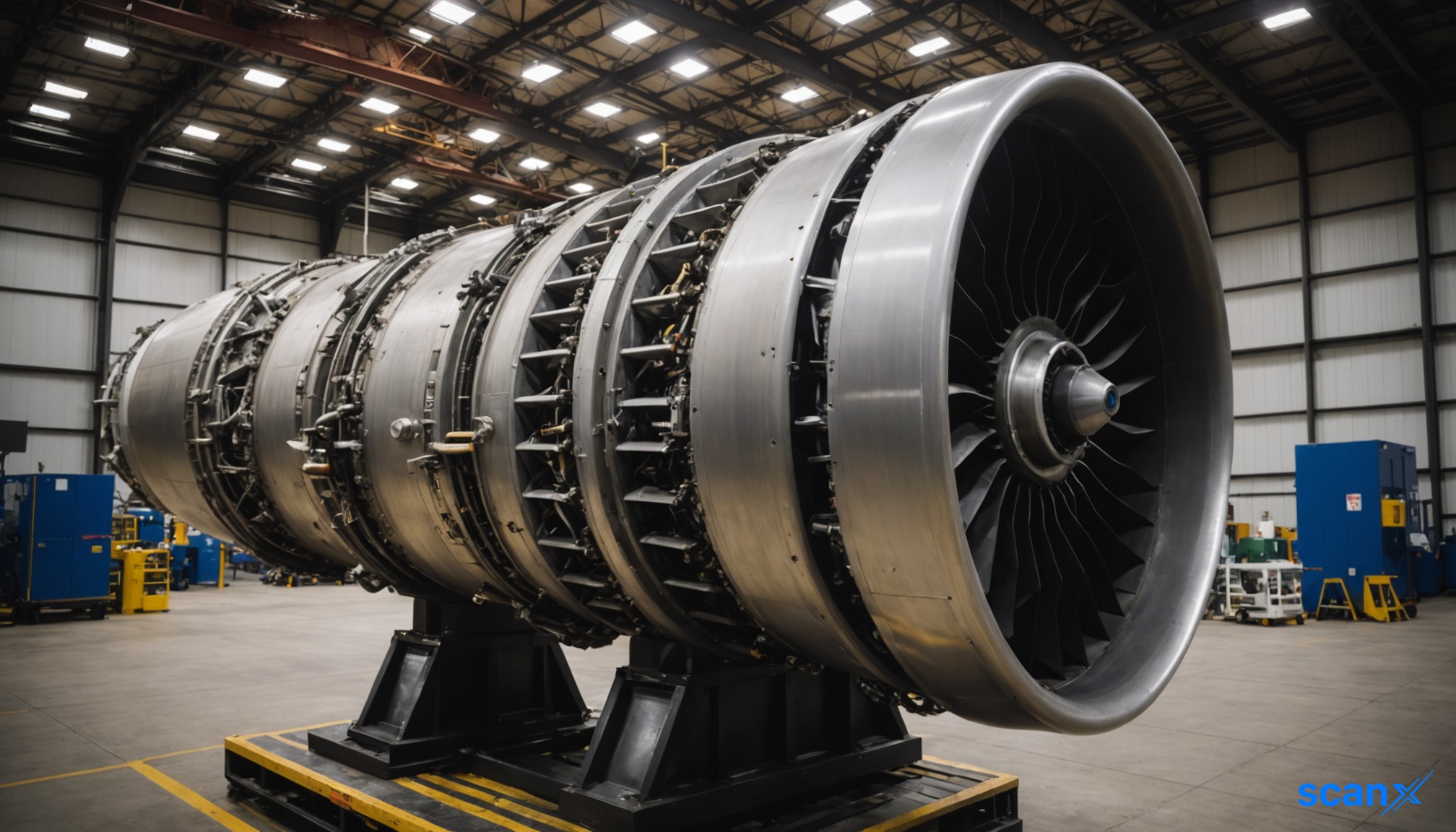
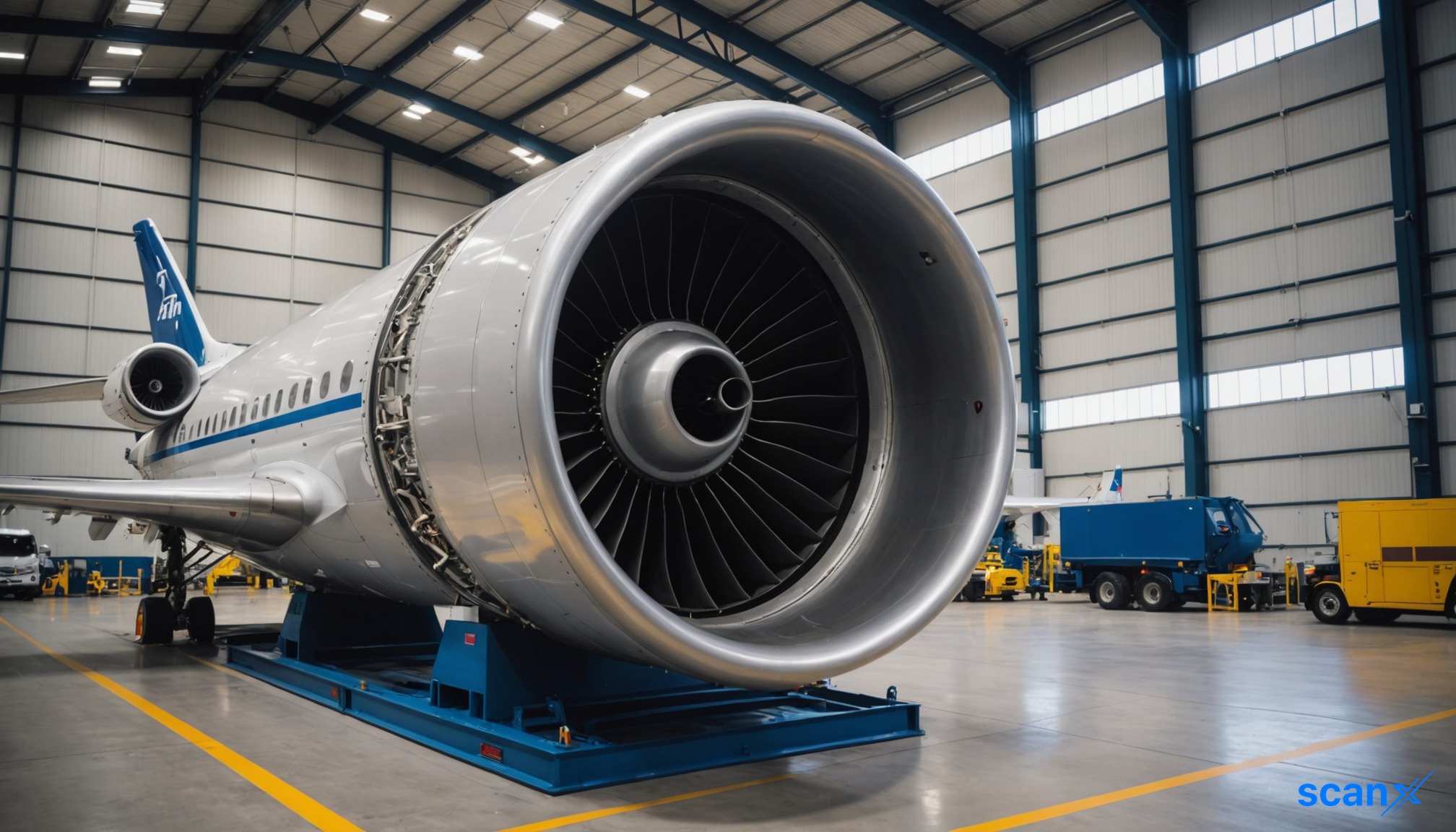
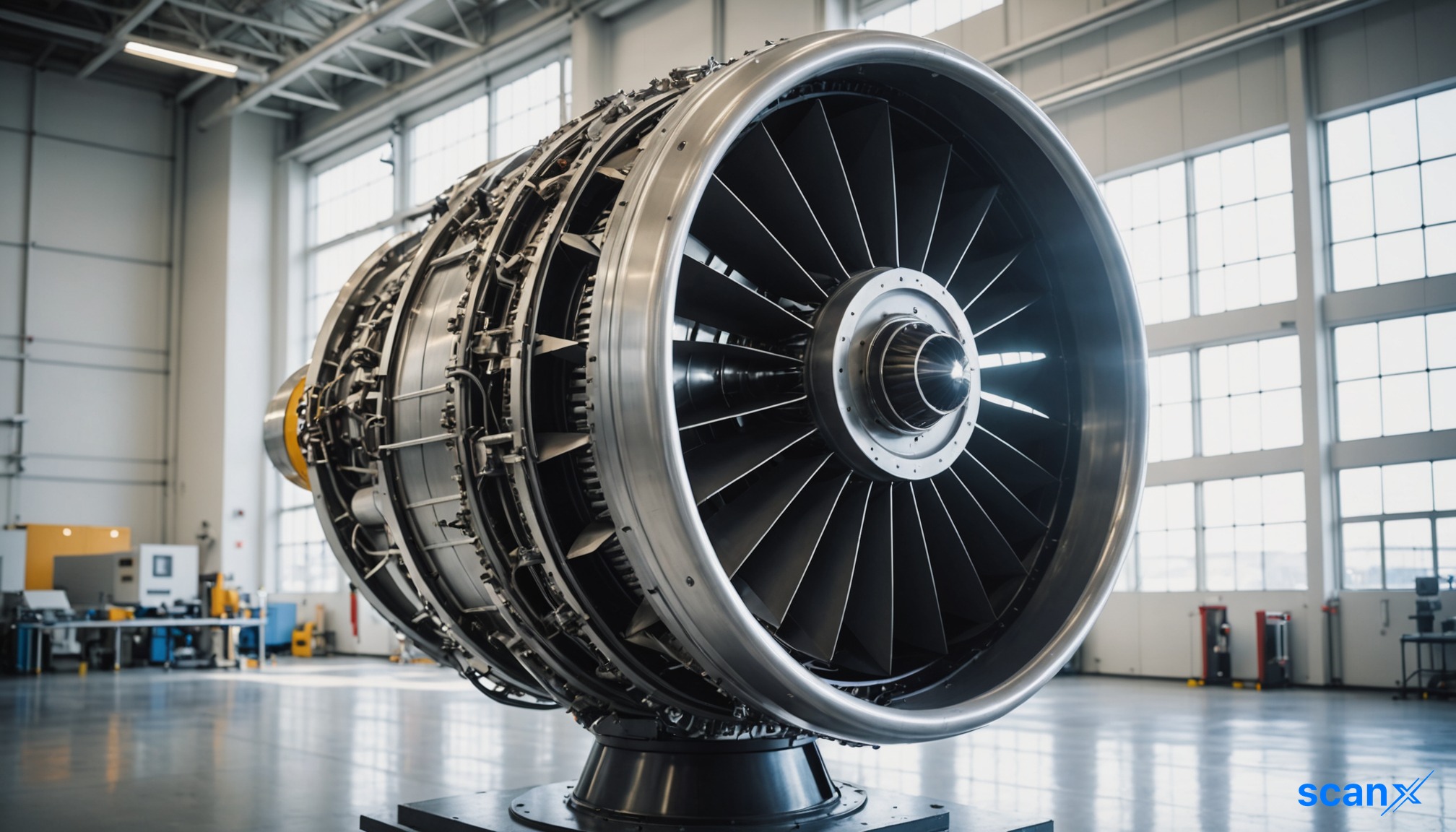
*this image is generated using AI for illustrative purposes only.

GE Aerospace will release its third-quarter earnings report before the opening bell on Tuesday, October 20.

Analysts expect the company to report quarterly earnings of $1.99 per share, up from $1.66 per share in the year-ago period. The consensus estimate for quarterly revenue is $12.84 billion, compared to $11.3 billion reported last year.

Analyst Revisions Ahead of Earnings

Several high-accuracy analysts have adjusted their forecasts in recent weeks. While some lowered price targets, others raised them, reflecting mixed sentiment on valuation despite operational strength.

Analyst Firm Rating Price Target Change Date Accuracy Rate
Wells Fargo Overweight $390 to $380 Sept 30, 2026 74%
Jefferies Buy $455 to $435 Sept 23, 2026 67%
JP Morgan Overweight $355 to $400 July 20, 2026 80%
RBC Capital Outperform $400 (Maintained) July 17, 2026 73%
UBS Buy $426 to $435 July 17, 2026 59%

What the Numbers Show

The consensus revenue estimate of $12.84 billion implies a 13.6% increase over the prior year's $11.3 billion. Concurrently, the projected EPS growth from $1.66 to $1.99 represents a 19.9% rise. This divergence suggests that analysts anticipate margin expansion or improved profitability efficiency rather than relying solely on top-line volume growth for the quarter's performance.

Operational Updates

On September 28, GE Aerospace finalized an agreement with Military Aviation Works No. 1 (WZL-1). This designates WZL-1 as a licensed maintenance, repair, and overhaul provider for T700/CT7 engines in Poland.

Shares closed at $308.64 on Monday, gaining 0.1%.

Disclaimer: This article is AI-generated using data from ViewTrade. ScanX is not liable for any inaccuracies.

How might the divergence between revenue growth and EPS growth impact GE Aerospace's long-term margin sustainability?

What are the potential geopolitical implications of the new WZL-1 licensing agreement for GE's European defense supply chain resilience?

Will the mixed analyst price target revisions signal a shift in market sentiment regarding GE's valuation multiple heading into 2027?

GE Aerospace signs MOU with Shield AI for X-BAT engine maintenance

scanx
Reviewed by
Ashish TScanX News Team
Key Highlights
  • GE Aerospace, Shield AI, and WZL-2 signed an MOU on October 12
  • Agreement explores MRO capabilities for F110 engines in Poland
  • F110 engine powers Shield AI's VTOL-capable X-BAT aircraft
  • No confirmed orders or revenue figures disclosed in the announcement
powered bylight_fuzz_icon
53377126

*this image is generated using AI for illustrative purposes only.

GE Aerospace has entered a strategic partnership to support the maintenance of engines for autonomous fighter jets. On October 12, the company signed a memorandum of understanding (MOU) with Shield AI and Poland’s Wojskowe Zakłady Lotnicze Nr 2 (WZL-2). The agreement explores maintenance, repair, and overhaul capabilities in Poland for the F110 engine, which powers Shield AI’s X-BAT aircraft.

Partnership scope and technical focus

The collaboration centers on the F110 engine and its Axisymmetric Vectoring Exhaust Nozzle. This nozzle enables thrust vectoring, a critical feature for vertical takeoff and landing (VTOL) operations. The companies will assess the facilities, equipment, and training required to establish local maintenance infrastructure in Poland.

Shield AI provides the autonomous flight technology, while GE Aerospace supplies the propulsion system and engine-support expertise. GE is not developing the aircraft’s AI pilot but contributes essential physical infrastructure for operational readiness.

Partner Role Key Contribution
GE Aerospace Propulsion & Support F110 Engine, MRO expertise
Shield AI Autonomous Tech Flight software, X-BAT design
WZL-2 Local Infrastructure Polish maintenance facilities

Strategic context for defense applications

The X-BAT is designed to operate from roads, ships, and smaller sites rather than conventional runways. This flexibility addresses vulnerabilities on NATO’s eastern flank, where traditional airfields may be exposed during conflicts. The partnership builds on a September letter of intent involving Shield AI, Poland’s state-owned defense group PGZ, and WZL-2 to explore X-BAT design and production in Poland. This latest agreement extends that ambition to in-country engine support.

What the numbers show

The F110 engine has accumulated more than 11 million flight hours over four decades of continuous production. This extensive operational history provides GE Aerospace with established credibility in the program. However, the current agreement is strictly exploratory. It does not constitute a confirmed engine order or a guarantee that a Polish facility will be established. No expected revenue figures from this arrangement have been disclosed.

Investment implications

For investors, the distinction between strategic positioning and immediate financial impact remains critical. The opportunity depends on the X-BAT advancing toward deployment and generating demand for engines, repairs, and long-term sustainment. Until firm contracts or production milestones are announced, this partnership represents a potential future revenue stream rather than a material earnings catalyst for the current fiscal period.

Disclaimer: This article is AI-generated using data from ViewTrade. ScanX is not liable for any inaccuracies.

What specific regulatory approvals or NATO interoperability standards must the Polish WZL-2 facility meet to be certified for F110 engine maintenance?

How might this partnership influence Poland's broader defense procurement strategy, particularly regarding future orders for autonomous aerial systems?

What are the potential competitive responses from other engine manufacturers or European defense contractors seeking similar localized MRO partnerships in Eastern Europe?

More News on GE Aerospace