

Fujiyama Power Systems approves ₹25 crore for 2 GWh battery capacity expansion


- Fujiyama Power Systems approved ₹25 crore for 2 GWh battery capacity expansion
- ₹5 crore allocated for 1 GWh lithium battery addition at Ratlam, MP by Q2 FY27
- ₹20 crore earmarked for 1 GWh tubular battery plant at Hathras, UP by Q3 FY27
- New Hathras facility replaces 1.3 GWh capacity lost in May 2026 Bawal fire
- Board reappointed Sunil Kumar and amended Articles of Association


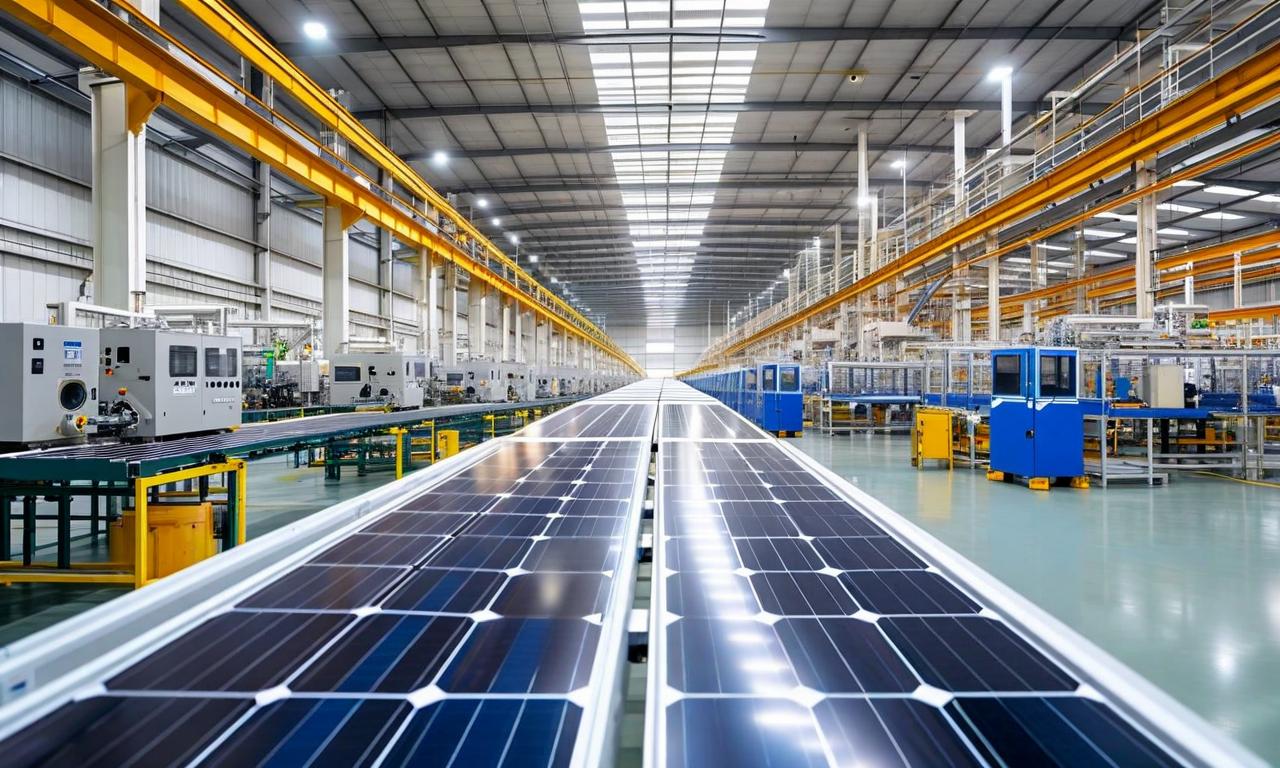
*this image is generated using AI for illustrative purposes only.
Fujiyama Power Systems approved a ₹25 crore capital expenditure plan to expand its battery manufacturing footprint by 2 GWh across Madhya Pradesh and Uttar Pradesh.
The Board of Directors, meeting on August 24, 2026, sanctioned the investments alongside the re-appointment of Mr. Sunil Kumar as a director and an amendment to the company's Articles of Association.
Capacity Expansion Details
The expansion focuses on two distinct facilities:
- Ratlam Plant, Madhya Pradesh: Addition of 1 GWh lithium battery manufacturing capacity. This complements an earlier announced 2 GWh expansion at the same site. The project requires an estimated investment of ₹5 crore and is expected to commence commercial operations by Q2 FY27. Upon completion, the Ratlam facility’s total lithium battery capacity will reach approximately 3.5 GWh.
- Hathras Facility, Uttar Pradesh: Establishment of a new 1 GWh tubular batteries manufacturing plant. This project requires an estimated investment of ₹20 crore and is targeted for commissioning by Q3 FY27. This new facility replaces 1.3 GWh of tubular battery capacity at the Bawal facility, which was damaged in a fire incident on May 6, 2026.
Both projects will be funded through internal accruals.
Governance Updates
The board also addressed key governance matters:
- Director Re-appointment: Mr. Sunil Kumar (DIN: 09824459) was re-appointed as a director liable to retire by rotation. His appointment is subject to shareholder approval at the ensuing Annual General Meeting. Mr. Kumar holds a Bachelor of Technology in electrical engineering from IIT Delhi and has over 25 years of experience in software engineering, including roles at Google LLC, Xilinx Inc., and Mentor Graphics. He is related to Mr. Yogesh Dua, the Joint Managing Director & CEO.
- Articles of Association Amendment: The board approved altering the Articles of Association to designate Joint Managing Director(s) as rotational directors. This change aligns the company’s governance structure with the Companies Act, 2013, ensuring non-independent directors are included among those liable to retire by rotation.
What the Numbers Show
The company is actively replacing lost capacity while simultaneously scaling up its lithium battery operations. The Hathras tubular battery project (₹20 crore) is four times larger in investment value than the Ratlam lithium addition (₹5 crore), despite both adding 1 GWh of capacity. This disparity suggests higher capital intensity per unit of capacity for the tubular battery segment or significant costs associated with establishing a new greenfield facility to replace the fire-damaged Bawal unit. Meanwhile, the existing Greater Noida lithium facility operates at approximately 70% utilization against its 0.5 GWh capacity, indicating room for near-term output growth before the new Ratlam capacity comes online.
Historical Stock Returns for Fujiyama Power Systems
| 1 Day | 5 Days | 1 Month | 6 Months | 1 Year | 5 Years |
|---|---|---|---|---|---|
| -2.03% | -2.29% | -10.07% | +81.86% | +93.20% | +93.20% |

How will the shift from the fire-damaged Bawal facility to the new Hathras plant impact Fujiyama's tubular battery supply chain stability and customer delivery timelines in Q3 FY27?
Given the higher capital intensity of the tubular battery expansion compared to lithium, what are the projected margins and ROI differences between these two product lines for Fujiyama?
With the Ratlam facility reaching 3.5 GWh capacity, how does Fujiyama plan to secure sufficient demand to maintain high utilization rates amidst increasing competition in the Indian lithium battery market?
 18
18








 Create Custom Screeners
  Access 200+ Pre-built Filters
  Use 50+ Readymade Screener





