

Eternal Q1 Results: Quick commerce guidance raised to 6%


Eternal Limited raised its long-term quick commerce guidance to 6% for Q1FY27, citing improved efficiency and predictable competition. Management emphasized frequency-driven growth over AOV expansion, with EBIT margins targeting 4% long-term. Working capital days reduced to 14, signaling operational improvements.


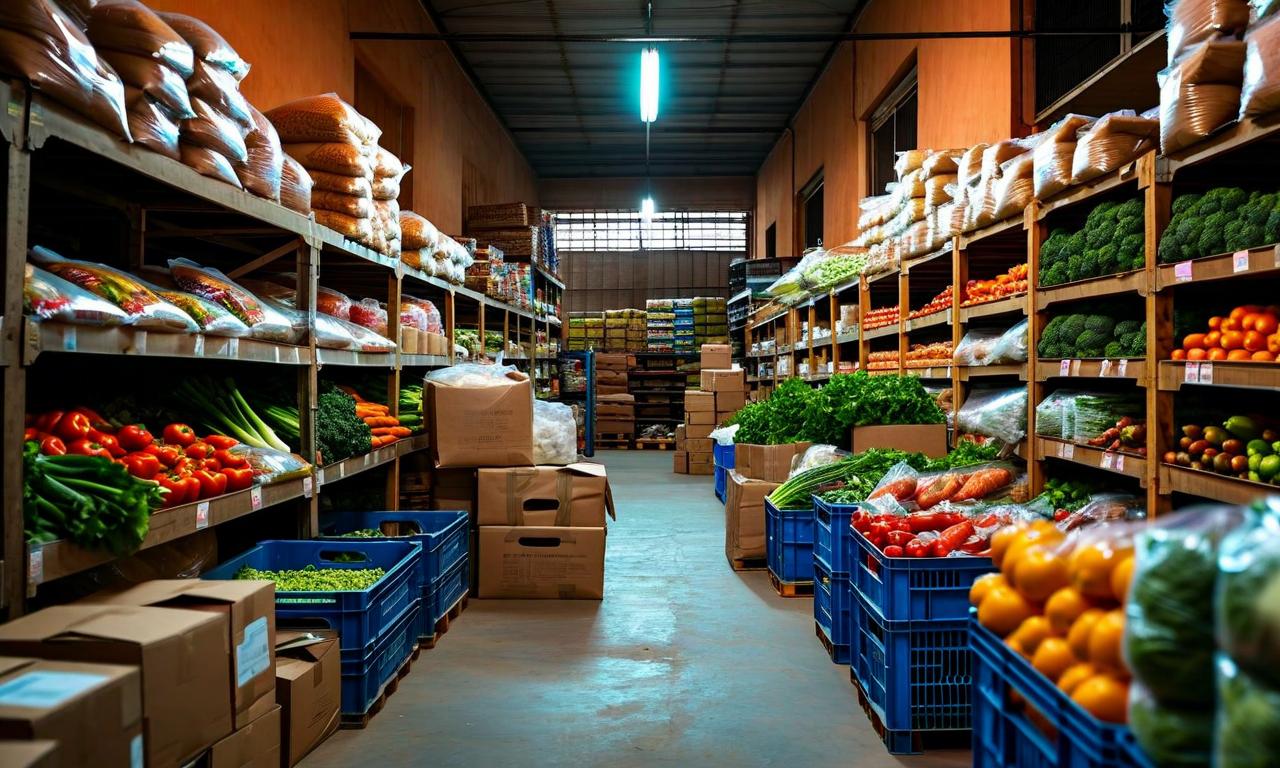
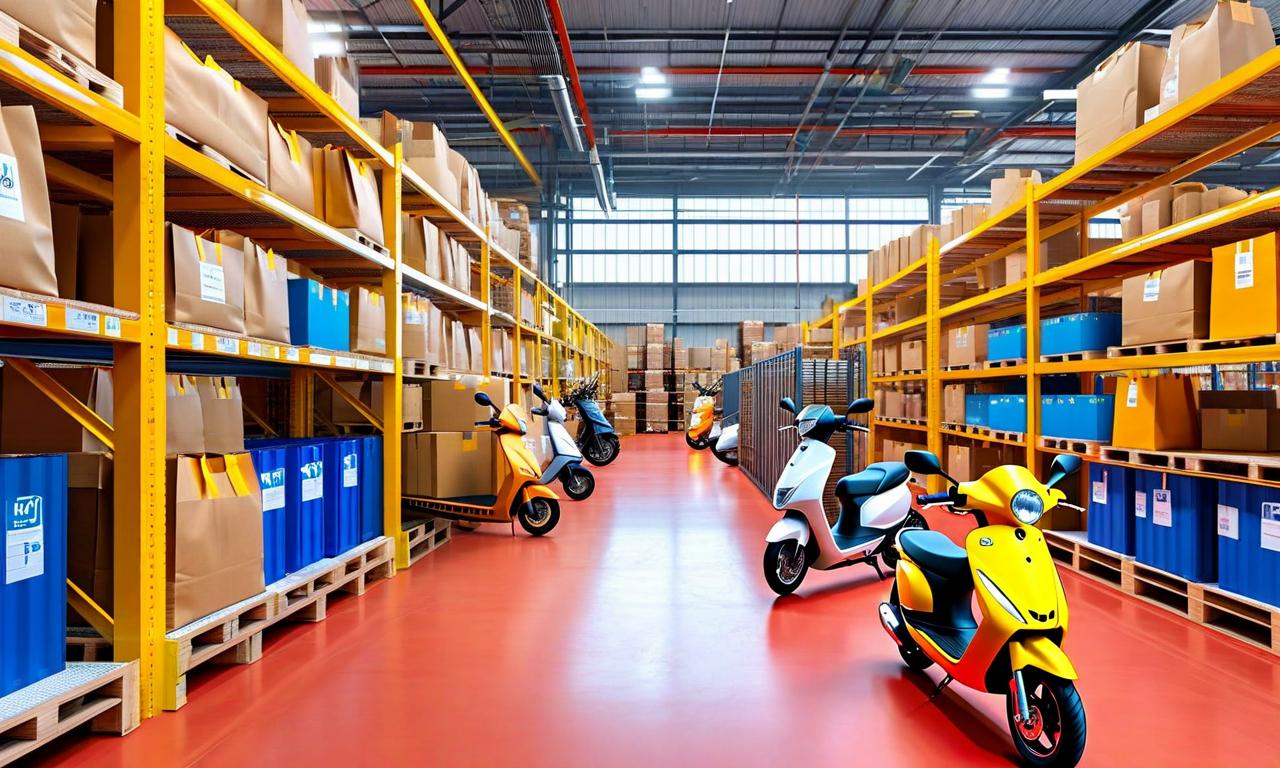
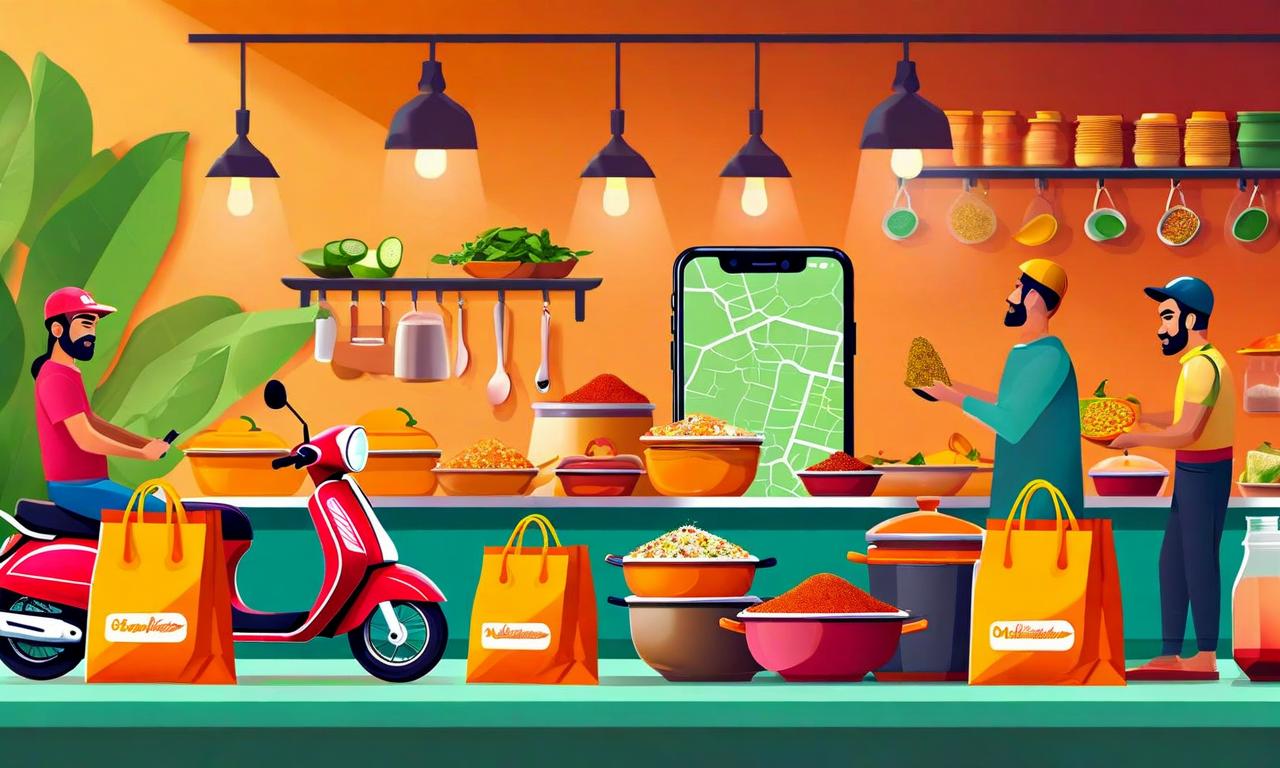
*this image is generated using AI for illustrative purposes only.
Eternal Limited, formerly known as Zomato Limited, raised its long-term guidance for its quick commerce segment from a range of 5-6% to 6% during its Q1FY27 earnings conference call held on July 22, 2026. The upward revision reflects increased operational efficiency and higher margin visibility driven by strategic capital expenditures and larger store sizes. This development signals growing confidence in the sustainability of the business model amidst a competitive landscape that management describes as increasingly predictable.
The earnings call was moderated by the company’s management team, including Chief Executive Officer Albinder Singh Dhindsa, Chief Financial Officer Akshant Goyal, and Head of Corporate Development Kunal Swarup. The discussion focused on the financial performance of Q1FY27, with particular emphasis on the quick commerce platform Blinkit, food delivery operations, and emerging ventures like Bistro and District. The transcript was filed pursuant to Regulation 30 of the SEBI (Listing Obligations and Disclosure Requirements) Regulations, 2015.
Quick Commerce Strategy and Competition
Management highlighted that the first quarter of FY27 represented the peak of competitive intensity in the quick commerce sector. Albinder Singh Dhindsa noted that while competition remains high, it has become more predictable, primarily manifesting as subsidies on grocery products and delivery fees. He argued that pricing-led growth requires sustained cash burn and creates a systemic trap for competitors who cannot easily exit without losing customers acquired through discounts. Eternal’s strategy focuses on supply creation and infrastructure growth rather than discounting, which management believes is unsustainable.
Akshant Goyal added that investments in capex per store have led to increased efficiency. The company is opening larger stores, which allows for better assortment and throughput. Despite this, the net average order value (NAOV) in Blinkit has remained flat year-on-year. Goyal explained that NAOV is an outcome of category mix and product assortment, not a primary driver. The focus remains on order volume growth and maintaining profitability at current NAOV levels. Seasonality may cause slight fluctuations, with NAOV potentially climbing in Q3.
Key Operational Metrics
| Metric | Detail |
|---|---|
| Long-term QC Guidance | Raised to 6% from 5-6% range |
| NAOV Trend | Flat year-on-year; expected to remain range-bound |
| Growth Driver | Frequency growth rather than AOV expansion |
| Competitive Intensity | Peak observed in Q1; now more predictable |
Food Delivery and Emerging Businesses
In the food delivery segment, Eternal reported an increase in monthly transacting users (MTUs), driven by both new user acquisition and higher frequency among existing customers. Akshant Goyal clarified that there is no overlap between the food delivery business and the Bistro venture, which operates as a separate entity. The company is adding approximately 10 kitchens per quarter for Bistro, focusing on operational efficiency and menu optimization before accelerating expansion. Management noted that older kitchens are showing progress in throughput and profitability.
Regarding competition from platforms like Toing and Ownly, Goyal stated that Eternal has defended its market share by remaining price competitive in specific markets. An example cited was reducing the eligibility threshold for free delivery for gold members from ₹199 to ₹99, lowering costs for customers seeking low-value orders. The restaurant count saw a slight dip due to external factors like LPG issues affecting some establishments, rather than strategic rationalization.
Financials and Capital Allocation
Management addressed questions on capital expenditure, noting a lumpy investment pattern. While the typical capex per store is guided at ₹2.5 crore, actual quarterly spend can vary significantly due to warehousing investments. Akshant Goyal emphasized that looking at capex over a longer period reveals a lower per-store average. The company is also seeing improvements in working capital, with net working days reducing to 14 days from an initial estimate of 18 days, driven by better inventory replenishment and supply chain throughput.
On margins, Goyal confirmed that the long-term target includes an EBIT margin of 4% and an Adjusted EBITDA margin of close to 6%. These figures account for ESOP expenses and depreciation. Inventory losses, largely driven by perishables, remain at approximately 1.8% of net order value (NOV) and are netted out of gross profit. Management does not expect material improvement in this metric as it has been asymptotic so far.
What the Numbers Show
The divergence between rising capex per store and flat NAOV highlights a strategic shift towards scale and frequency over basket size. By increasing infrastructure spend, Eternal aims to capture a larger share of wallet through daily usage rather than larger individual transactions. This approach suggests that profitability will be driven by volume efficiency and supply chain optimization rather than price increases or higher order values. The reduction in working capital days further supports improved cash flow dynamics, indicating operational maturity despite ongoing investments.
Kunal Swarup provided brief updates on other segments, noting that District is operating across five categories, with dining-out and movies being the largest contributors. The Nugget business, an enterprise AI product, remains in stealth mode with good traction but limited disclosure for now. The company expects to share more details on these ventures in future quarters.
Historical Stock Returns for Eternal
| 1 Day | 5 Days | 1 Month | 6 Months | 1 Year | 5 Years |
|---|---|---|---|---|---|
| -1.57% | -1.00% | +1.01% | +26.71% | -7.95% | 0.0% |

How might the shift toward larger store formats impact Eternal's real estate acquisition strategy and long-term unit economics in saturated urban markets?
Given the management's assertion that competitive intensity has peaked, what specific metrics will investors monitor to verify if rivals are exiting the subsidy war or shifting to sustainable growth models?
With inventory losses remaining asymptotic at 1.8% of NOV, what technological or supply chain innovations could potentially break this ceiling to improve gross margins further?
 15
15






 Access Market Heat-map & Insights
  Create, Save & Share your Screener
  Use 200+ Screening Filters





