

Energy Vault secures 1.25 GW AI data center power deal


Energy Vault Holdings, Inc. has executed a strategic commercial agreement to deploy 1.25 gigawatts of integrated power infrastructure for a hyperscaler AI data center in Texas. The partnership combines Energy Vault's battery energy storage systems and AI control software with a leading EPC contractor's generation capabilities. The company expects $500 million to $600 million in revenue from this deal, primarily recognized in the second half of 2026 and throughout 2027.


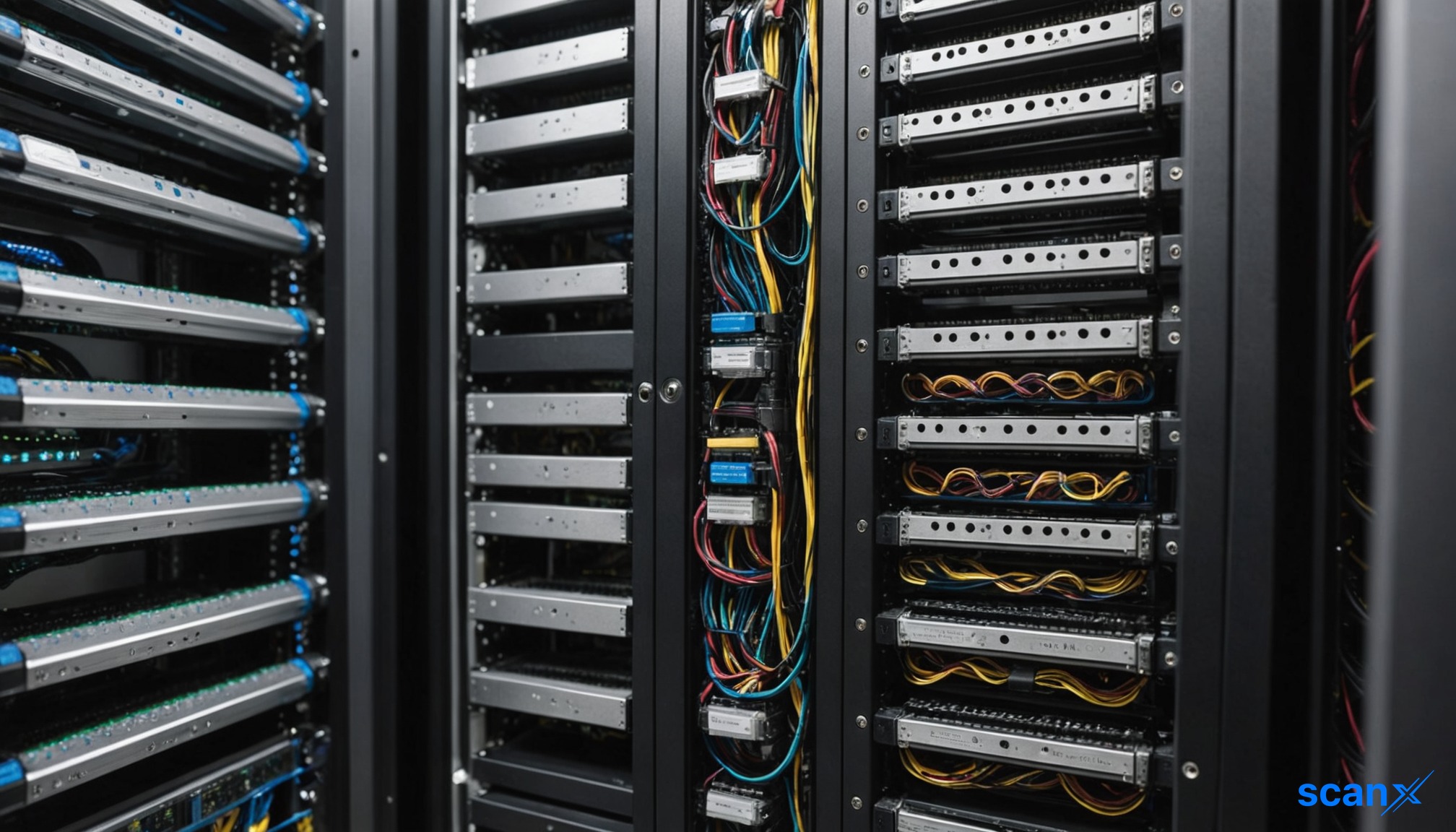
*this image is generated using AI for illustrative purposes only.
Energy Vault Holdings, Inc. (NYSE: NRGV) has executed a strategic commercial agreement to supply battery energy storage systems (BESS), grid-forming power conversion systems, and AI infrastructure control software for an initial deployment of 1.25 gigawatts (GW) of integrated power infrastructure. The deal supports a hyperscaler artificial intelligence data center in Texas and is backed by a customer contract for deployment within the next four to twelve months. This partnership addresses the critical need for rapid, reliable power delivery for AI workloads, allowing developers to bring compute capacity online significantly faster than traditional utility interconnection schedules permit.
The agreement establishes a repeatable "speed-to-power" platform by combining Energy Vault’s FEOC-compliant BESS, grid-forming power conversion systems, and AI infrastructure control software with a leading national turnkey power generation engineering, procurement, and construction (EPC) contractor. The partner contributes expertise in Caterpillar gensets and complex generation projects, including natural gas reciprocating engines and gas turbines. Together, they deliver a fully integrated, off-grid power system that provides firm, grid-independent electricity essential for next-generation AI campuses.
Deal Structure and Financial Impact
The integrated solution is designed to support modular, scalable, gigawatt-scale AI deployments with "always-on" availability. Unlike traditional setups where assets operate independently, this platform orchestrates generation, battery storage, and electrical infrastructure as a single intelligent power plant. The architecture enables customers to deploy AI infrastructure ahead of permanent grid interconnection while maintaining flexibility to integrate utility power or renewable generation later.
| Metric | Detail |
|---|---|
| Total Capacity | 1.25 GW |
| Location | Texas |
| Customer Type | Hyperscaler AI Data Center |
| Expected Revenue | ~$500 - $600 million |
| Revenue Period | 2H 2026 and 2027 |
| Deployment Timeline | Initial deployments in 4-12 months |
Energy Vault expects the deal to generate approximately $500 million to $600 million in revenue during the second half of 2026 and throughout 2027. Management will discuss these financial implications during its upcoming earnings call on August 11, 2026. The companies intend to jointly pursue additional opportunities in markets where constrained grid capacity and extended interconnection timelines drive demand for behind-the-meter bridge-power solutions.
Strategic Significance
Robert Piconi, Chairman and Chief Executive Officer of Energy Vault, stated that customers now require integrated power infrastructure capable of delivering reliable electricity at unprecedented speed and scale. He noted that the agreement marks a strategic evolution for Energy Vault from an energy storage technology pioneer into an integrated energy infrastructure provider. The platform combines industry-leading power generation, intelligent energy storage, and advanced power plant software into a single solution purpose-built for AI infrastructure.
A senior executive at the strategic partner emphasized that Energy Vault’s BESS, grid-forming technology, and software platform are central to the solution. By integrating these systems into their modular plant design, the partner can bring large blocks of dependable power online quickly while maintaining the performance and scalability required by hyperscale campuses.
What the Numbers Show
The financial scale of this agreement highlights a shift in capital allocation for AI infrastructure toward integrated, off-grid power solutions. With expected revenues of $500 million to $600 million concentrated in late 2026 and 2027, the deal underscores the urgency of deploying power ahead of traditional grid timelines. The ability to deploy 1.25 GW of capacity within twelve months suggests that hyperscalers are prioritizing immediate compute availability over long-term grid dependency, validating Energy Vault’s pivot toward full-stack energy infrastructure rather than standalone storage components.

How will Energy Vault manage the supply chain constraints and manufacturing scale-up required to deliver 1.25 GW of integrated infrastructure within the aggressive 4-12 month deployment window?
What specific regulatory or permitting hurdles in Texas might impact the off-grid nature of this project, and how does the company plan to mitigate risks associated with grid-forming technology compliance?
Given the revenue recognition timeline of late 2026 through 2027, what are the immediate cash flow implications for Energy Vault, and will the company need to secure additional financing to fund upfront capital expenditures?
 19
19






 Access 50+ Readymade Screeners
  Use 200+ Custom Filters
  Get Full Market Insights





