Dish TV India Fined ₹9.20 Lakh by Stock Exchanges for Board Composition Non-Compliance

2 min read     Updated on 13 Mar 2026, 03:03 PM
scanx
Reviewed by
Radhika SScanX News Team
AI Summary

Dish TV India Limited faces ₹9.20 lakh in combined fines from NSE and BSE for non-compliance with board composition requirements during Q3 FY26. The company's board addressed regulatory notices on March 13, 2026, explaining that compliance challenges stem from shareholder rejections of director appointments and mandatory MIB approval requirements. Despite continuous efforts to maintain adequate board strength through strategic appointments, structural regulatory constraints prevent the company from meeting SEBI's minimum six-director requirement while operating within broadcasting sector guidelines.

powered bylight_fuzz_icon
34939998

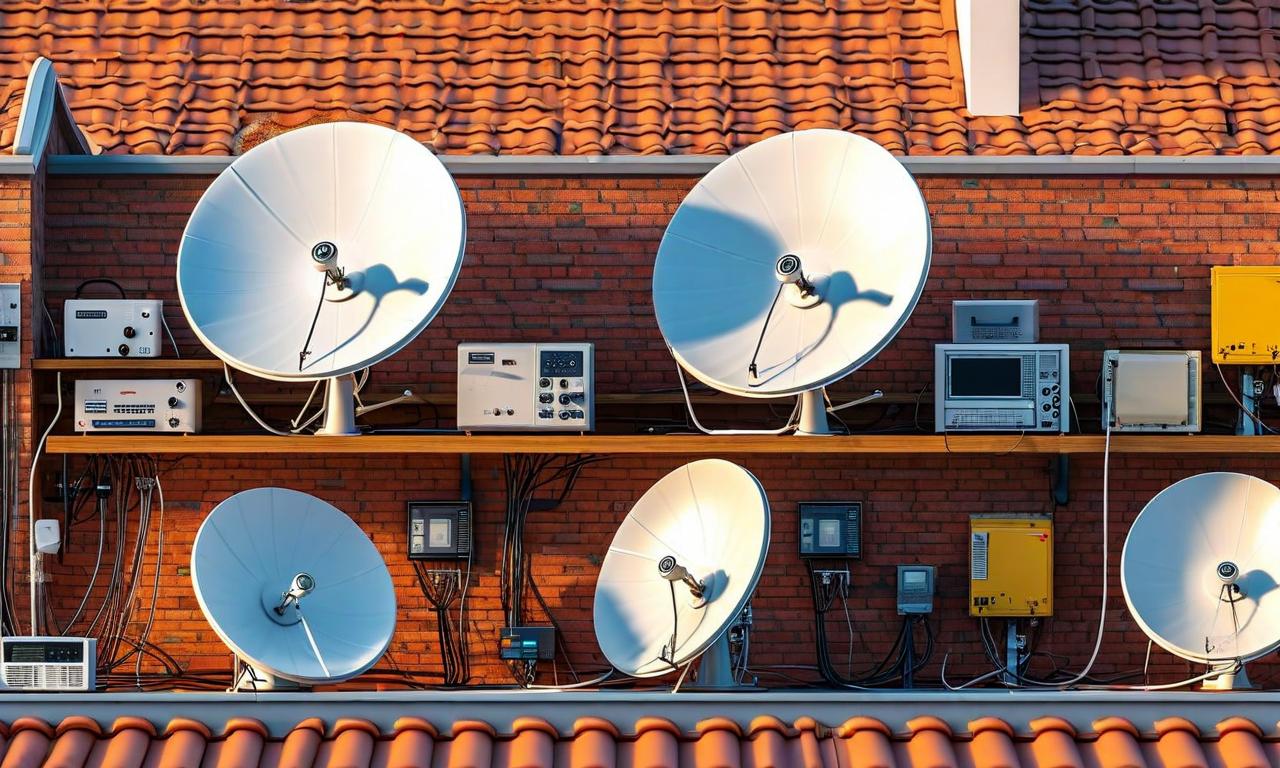
*this image is generated using AI for illustrative purposes only.

Dish TV India Limited has been fined ₹9.20 lakh by stock exchanges for non-compliance with board composition requirements during the quarter ended December 31, 2025. The company's board addressed regulatory notices and provided detailed explanations for the compliance issues at their meeting held on March 13, 2026.

Regulatory Penalties Imposed

Both the National Stock Exchange of India Limited and BSE Limited issued notices dated February 27, 2026, imposing fines on the company for violating Regulation 17(1) of SEBI Listing Regulations. The penalties were structured as follows:

Stock Exchange Applicable Regulation Fine Amount
National Stock Exchange of India Limited Regulation 17(1) ₹4,60,000
BSE Limited Regulation 17(1) ₹4,60,000
Total Penalty ₹9,20,000

Board Composition Challenges

The non-compliance stemmed from the company's inability to maintain the minimum six directors required under SEBI Listing Regulations. The board strength fell below regulatory requirements due to two primary factors: non-approval of director appointments by shareholders and the mandatory requirement of obtaining prior approval from the Ministry of Information and Broadcasting (MIB) for director appointments.

MIB Approval Constraints

Under MIB Uplinking Guidelines, the company must obtain prior approval for director appointments, with limited exceptions. The guidelines permit appointment of directors without prior approval only when the board strength falls below three members, and even then, only enough directors can be appointed to bring the total to three. This regulatory framework creates a structural challenge for meeting SEBI's minimum requirement of six directors.

Director Appointment Timeline

The company has made continuous efforts to address board composition issues through strategic appointments:

Event Date Action Taken Directors Appointed
December 12, 2024 Board appointments following shareholder non-approval Mr. Mayank Talwar, Mr. Gurinder Singh
August 14, 2025 New appointments after shareholder rejection Mr. Arun Kumar Kapoor, Ms. Heena Naishadh Bhatt

In each instance, the company maintained the minimum three-director requirement under the Companies Act, 2013, while working within MIB regulatory constraints.

Company's Position

The board emphasized that the non-compliance situation remains beyond the company's direct control. Key factors contributing to the compliance challenges include:

  • Shareholder decisions on director appointments
  • Mandatory MIB approval requirements for the broadcasting sector
  • Structural limitations in appointing directors under current regulatory framework

The company, its board, and management have consistently taken immediate steps to ensure compliance with Regulation 17(1) within the constraints of applicable laws and regulatory requirements. The board maintains that neither the company nor its promoters have control over shareholder decisions or MIB approval processes that directly impact board composition compliance.

Historical Stock Returns for Dish TV

1 Day5 Days1 Month6 Months1 Year5 Years
+10.24%+29.03%+4.48%-43.43%-53.18%-72.14%

Dish TV India Limited Amends Fair Disclosure Code Under SEBI PIT Regulations

3 min read     Updated on 06 Feb 2026, 10:21 PM
scanx
Reviewed by
Naman SScanX News Team
AI Summary

Dish TV India Limited's Board of Directors approved amendments to its Fair Disclosure Code on February 06, 2026, ensuring compliance with SEBI (Prohibition of Insider Trading) Regulations, 2015. The comprehensive policy establishes seven key principles for handling unpublished price sensitive information, including prompt public disclosure, uniform dissemination, and need-to-know basis sharing. The company has also implemented a framework for determining legitimate purposes for sharing UPSI with stakeholders in ordinary business operations.

powered bylight_fuzz_icon
31942316

*this image is generated using AI for illustrative purposes only.

Dish TV India Limited has announced that its Board of Directors approved amendments to the company's "Code of Practices and Procedures for Fair Disclosure of Unpublished Price Sensitive Information" on February 06, 2026. The amended Fair Disclosure Code ensures compliance with Regulation 8(2) of the SEBI (Prohibition of Insider Trading) Regulations, 2015.

Board Approval and Regulatory Compliance

The company disclosed the amendment through official communications to both the National Stock Exchange of India Limited (NSE Symbol: DISHTV) and BSE Limited (Scrip Code: 532839). The disclosure was signed by Ranjit Singh, Company Secretary & Compliance Officer (Membership No.: A15442), and the updated policies are available on the company's website at https://www.dishd2h.com .

Parameter: Details
Approval Date: February 06, 2026
Initial Code Approval: January 06, 2007
Regulatory Framework: SEBI PIT Regulations, 2015
Effective Date: May 15, 2015

Key Principles of Fair Disclosure

The amended code establishes seven fundamental norms for adherence to fair disclosure principles. The policy mandates prompt public disclosure of UPSI that would impact price discovery as soon as credible and concrete information becomes available. It emphasizes uniform and universal dissemination of UPSI to avoid selective disclosure, ensuring all stakeholders receive information simultaneously through stock exchanges and the company's official website.

The code requires prompt corrective action when information is disclosed selectively, whether inadvertently or otherwise. In such cases, the Compliance Officer or Chief Investor Relations Officer (CIRO) must take necessary steps, including informing stock exchanges, to make the information publicly available.

Information Handling and Stakeholder Engagement

The policy establishes strict guidelines for interactions with analysts and research personnel, ensuring that only public information is shared during meetings. The company commits to publishing transcripts or records of analyst meetings on its website and requires a minimum of two company representatives to attend investor discussions.

Disclosure Requirement: Implementation
Analyst Meetings: Transcripts published on website
Minimum Attendees: Two company representatives
Information Type: Public information only
Documentation: Written corporate disclosures

All UPSI must be handled on a need-to-know basis, shared only for legitimate purposes or performance of duties. The policy defines "need-to-know basis" as disclosure to persons who require access to UPSI for legitimate purposes without creating conflicts of interest or enabling misuse.

Legitimate Purpose Framework

The company has established a comprehensive policy for determining legitimate purposes for sharing UPSI. This framework allows sharing of information in the ordinary course of business with various stakeholders including partners, collaborators, lenders, customers, suppliers, merchant bankers, legal advisors, auditors, and consultants.

Legitimate purposes include:

  • Sharing UPSI with existing or proposed business partners in ordinary course of business
  • Providing relevant information to consultants, advisors, and intermediaries for specific assignments
  • Mandatory sharing for performance of duties or legal obligations
  • Other genuine purposes as determined by the Compliance Officer

Implementation and Monitoring

The policy requires use of a structured digital database for sharing UPSI for legitimate purposes. Recipients of UPSI must be notified of their insider status and responsibilities, including maintaining confidentiality and refraining from trading in company securities while in possession of such information.

The Compliance Officer, designated as the Company Secretary or other senior officer appointed by the Board, oversees policy implementation, monitors adherence to UPSI preservation rules, and ensures regulatory compliance. The Chief Investor Relations Officer, typically the Chief Financial Officer or designated officer, handles dissemination and disclosure of UPSI.

Policy Governance

The Board of Directors retains authority to make alterations to the policy, provided amendments remain consistent with SEBI PIT Regulations provisions. Any conflicts between policy provisions and applicable laws will be resolved in favor of legal requirements. All amendments must be promptly communicated to stock exchanges where the company's securities are listed, and the updated policy will be hosted on the company's website.

Historical Stock Returns for Dish TV

1 Day5 Days1 Month6 Months1 Year5 Years
+10.24%+29.03%+4.48%-43.43%-53.18%-72.14%

More News on Dish TV

1 Year Returns:-53.18%