

CXMT H1FY26 Results: Revenue surges 874% to $22.4B, profit turns positive


- Revenue surged 873.64% YoY to 150.31 billion yuan ($22.4 billion) in H1FY26
- Net profit turned positive at 77.61 billion yuan ($10.8 billion), reversing a prior-year loss
- Results exceeded pre-IPO guidance for both revenue and net profit
- Growth driven by AI demand, higher production, and improved DDR5 product mix

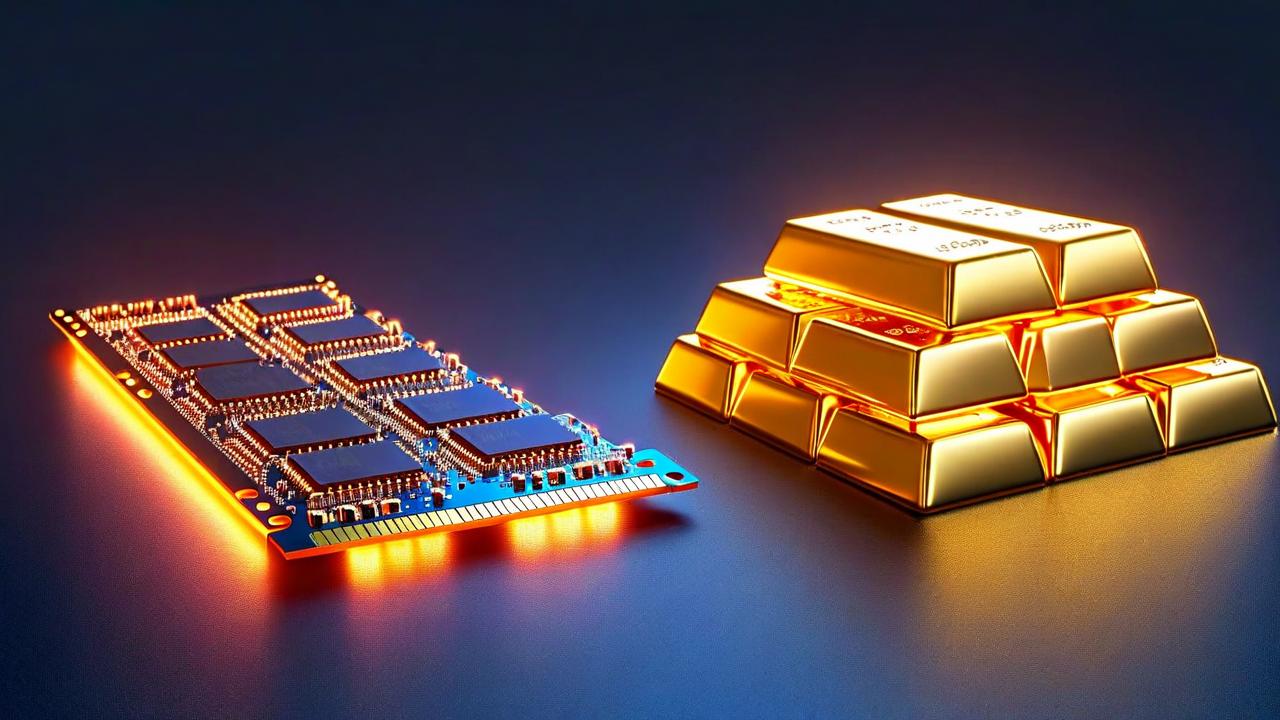

*this image is generated using AI for illustrative purposes only.
ChangXin Memory Technologies (CXMT) reported a dramatic financial turnaround in the first half of FY26, driven by surging demand for artificial intelligence memory products.
The Hefei-based chipmaker logged revenue of 150.31 billion yuan ($22.4 billion) for the six months ending June, an 873.64% year-on-year increase. This performance significantly exceeded the company’s pre-IPO guidance, which had projected first-half revenue between 110 billion and 120 billion yuan ($15.3 billion to $16.7 billion).
Financial Performance
CXMT’s profitability swung sharply from loss to gain during the period. Shareholders recorded a net profit of 77.61 billion yuan ($10.8 billion), compared to a net loss of 2.33 billion yuan ($325 million) in the same period last year.
The results also surpassed the pre-IPO net profit guidance of 50 billion to 57 billion yuan ($7 billion to $7.9 billion).
| Metric | H1FY26 | H1FY25 | Change |
|---|---|---|---|
| Revenue | 150.31 billion yuan | ~16.0 billion yuan* | +873.64% |
| Net Profit | 77.61 billion yuan | -2.33 billion yuan | Turnaround |
*Derived from reported growth rate and current revenue.
What the Numbers Show
The divergence between revenue growth and profit expansion highlights significant operational leverage. While revenue grew nearly nine-fold, net profit moved from a small loss to a massive gain, indicating that the incremental revenue from higher production volumes and improved product mix contributed disproportionately to the bottom line. The shift from a 2.33 billion yuan loss to a 77.61 billion yuan profit suggests that fixed costs were absorbed by the volume surge, allowing variable margins to expand rapidly.
Market Context
The earnings surge was fueled by soaring demand for memory products from the AI industry. CXMT benefited from higher production output and an improved product mix, including increased ramp-up of newer products such as DDR5 memory used in personal computers, workstations, and servers.
This disclosure follows CXMT’s Shanghai listing last month, which established it as China’s most valuable publicly traded company. Major PC manufacturers, including HP Inc., Asus, and Acer, have begun incorporating CXMT’s DRAM chips into their laptops despite limited adoption rates. These manufacturers are cautious about wider adoption to avoid straining relationships with major suppliers like Micron Technology Inc., Samsung Electronics, and SK Hynix Inc.
Apple Inc. has reportedly begun testing CXMT’s DRAM chips for products sold in China as global memory supplies tighten. However, U.S. Senators Jim Banks and Chuck Schumer have warned against using CXMT’s chips due to the company’s inclusion on the Pentagon’s list of Chinese companies allegedly supporting Beijing’s military.

How might the U.S. Senate's warnings against CXMT chips impact Apple's decision to integrate them into devices sold globally versus only in China?
Will major PC manufacturers like HP and Asus accelerate their adoption of CXMT DRAM if global supply constraints from Samsung, SK Hynix, and Micron persist?
Can CXMT sustain its current profit margins as competitors ramp up DDR5 production and potential price wars emerge in the AI memory sector?
 19
19





 Access 50+ Readymade Screeners
  Use 200+ Custom Filters
  Get Full Market Insights





