Cochin Shipyard declares ₹1.50 per share final dividend for FY26

scanx
Reviewed by
Jubin VScanX News Team
Key Highlights
  • Cochin Shipyard declares a final dividend of ₹1.50 per share for FY26
  • Record date fixed as September 18, 2026, for determining eligibility
  • Dividend represents a 30% payout on the ₹5 face value of equity shares
  • Payments to be disbursed by October 28, 2026, subject to AGM approval
powered bylight_fuzz_icon
50049135

*this image is generated using AI for illustrative purposes only.

Cochin Shipyard has fixed September 18, 2026, as the record date for determining shareholder eligibility for its final dividend of ₹1.50 per equity share for FY26.

The dividend represents a payout ratio of 30% on the face value of ₹5 per share. The company will disburse the payment to eligible members by October 28, 2026, subject to applicable tax deductions at source.

Approval Process

The dividend is scheduled for formal approval at the company’s 54th Annual General Meeting, set for September 29, 2026. Disbursement will occur within 30 days of this approval, in compliance with regulatory timelines.

Regulatory Compliance

The disclosure was made pursuant to Regulation 42 of the Securities and Exchange Board of India (Listing Obligations and Disclosure Requirements) Regulations, 2015. The intimation was issued on September 4, 2026, by Syamkamal N, Company Secretary.

Metric Detail
Dividend Amount ₹1.50 per share
Face Value ₹5
Payout Ratio 30%
Record Date September 18, 2026
AGM Date September 29, 2026
Disbursement Deadline October 28, 2026

Historical Stock Returns for Cochin Shipyard

1 Day5 Days1 Month6 Months1 Year5 Years
+0.83%-2.85%+3.97%+3.46%-13.76%+724.00%

How might Cochin Shipyard's consistent dividend policy impact its stock valuation relative to other Indian defense and shipbuilding peers?

What strategic capital allocation plans does Cochin Shipyard have for the retained earnings following this 30% payout ratio?

Could the upcoming AGM reveal any new long-term order book updates or capacity expansion initiatives that justify maintaining this dividend level?

Cochin Shipyard FY26 BRSR highlights green vessel deliveries and solar expansion

scanx
Reviewed by
Ashish TScanX News Team
Key Highlights
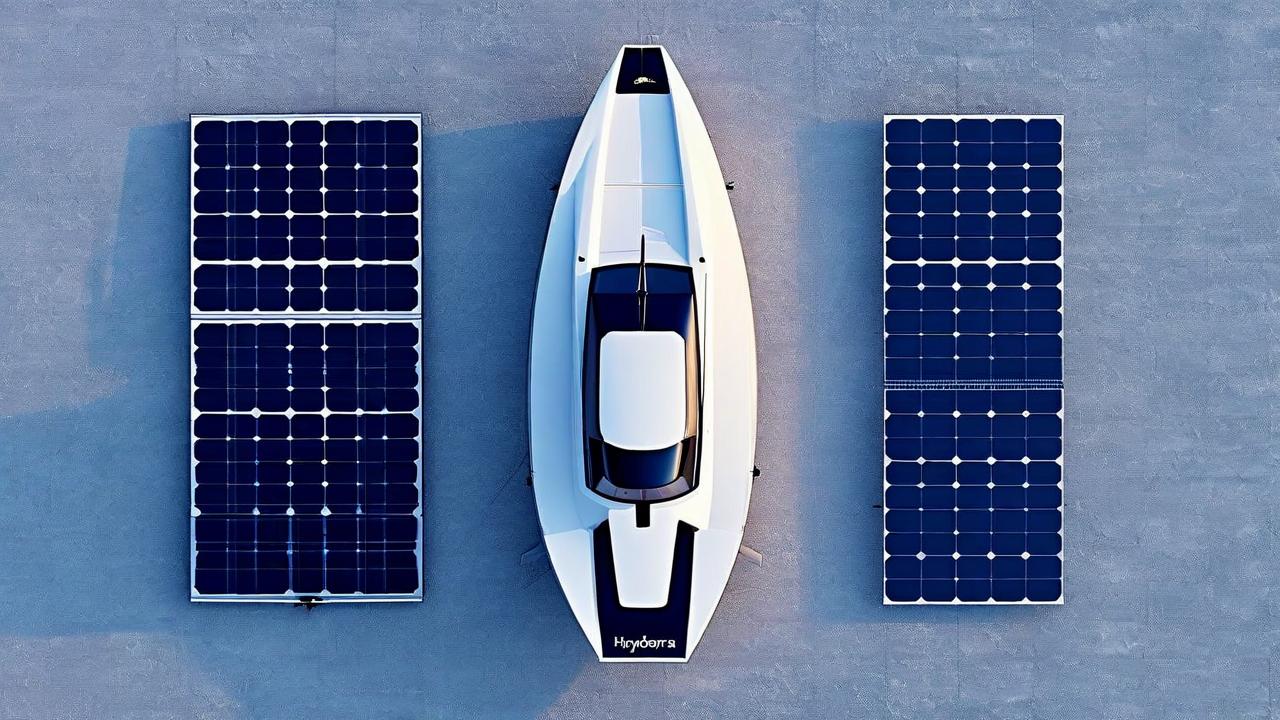
  • Delivered India's first Hydrogen Fuel Cell Catamaran and two Autonomous Electric Vessels
  • Plans to expand rooftop solar capacity to 4,000 kWp by December 2028
  • Renewable energy consumption more than doubled to 44,765.63 GJ in FY26
  • Scope 2 emissions fell to 21,252.00 metric tonnes from 28,736.33 metric tonnes
  • Total waste generated rose to 18,846.73 metric tonnes, with 6,373.66 metric tonnes recycled
powered bylight_fuzz_icon
50048414

*this image is generated using AI for illustrative purposes only.

Cochin Shipyard submitted its Business Responsibility and Sustainability Report (BRSR) for FY26, detailing progress on green shipping initiatives and renewable energy infrastructure. The report underscores a strategic pivot toward low-emission vessels and operational decarbonization.

Green Shipping Initiatives

The company delivered India's first indigenously built Hydrogen Fuel Cell Catamaran Vessel to the Inland Waterways Authority of India. It also handed over two Autonomous Electric Vessels to ASKO Maritime AS in Norway. These vessels are powered by 1,846 kWh capacity batteries.

Further deliveries include 20 out of 23 Hybrid Electric Catamaran Hull Vessels for the Kochi Water Metro Project and three Hybrid Electric Catamaran Passenger Vessels for the Inland Waterways Authority of India. The company is currently constructing vessels for European clients, including Zero Emission Feeder Container Vessels and 70T Bollard Pull Electric TRAnverse Tugs.

Renewable Energy Transition

Cochin Shipyard plans to expand its rooftop solar installation capacity to 4,000 kWp by December 2028, up from the current installed capacity of 2,422 kWp. To enhance green power utilization, the company is implementing a Battery Energy Storage System (BESS) in phases. The first phase is targeted for completion by December 2027.

Upon commissioning, the BESS project is expected to help the company meet approximately 60-70% of its energy requirements through green sources. This replaces an earlier plan for a 14 MW wind-solar hybrid plant, which was shelved due to high costs, land constraints, and lower-than-required wind speeds affecting the Capacity Utilization Factor.

Environmental Metrics

Total energy consumption fell to 172,383.87 GJ in FY26 from 180,403.16 GJ in FY25. Renewable energy consumption rose significantly to 44,765.63 GJ, compared to 23,078.04 GJ in the previous year. Conversely, non-renewable energy consumption dropped to 127,618.24 GJ from 157,325.12 GJ.

Greenhouse gas emissions showed a mixed trend. Scope 1 emissions increased to 3,998.03 metric tonnes of CO2 equivalent from 2,687.63 metric tonnes. However, Scope 2 emissions declined to 21,252.00 metric tonnes from 28,736.33 metric tonnes. Total waste generated rose to 18,846.73 metric tonnes from 12,805.64 metric tonnes, with 6,373.66 metric tonnes recycled.

Governance and Safety

The company reported one fatality among workers in FY26, compared to none in FY25. The Lost Time Injury Frequency Rate for workers stood at 8.92 per million person-hours worked, up from 5.49 in FY25. Employee turnover rates remained stable at 3.89% for permanent employees.

Cochin Shipyard received penalties of ₹32,20,220 each from BSE and NSE for non-compliance with board composition regulations. The company noted that these non-compliances were due to delays in government appointments of independent directors and has sought waivers.

Historical Stock Returns for Cochin Shipyard

1 Day5 Days1 Month6 Months1 Year5 Years
+0.83%-2.85%+3.97%+3.46%-13.76%+724.00%

How will the shift from the wind-solar hybrid plant to a BESS-focused strategy impact Cochin Shipyard's long-term energy cost stability and ROI projections?

What competitive advantages might Cochin Shipyard gain in the European market by delivering Zero Emission Feeder Container Vessels ahead of stricter IMO decarbonization regulations?

Could the rise in Scope 1 emissions and worker safety incidents signal operational bottlenecks that might delay future green vessel deliveries?

More News on Cochin Shipyard

1 Year Returns:-13.76%