

CleanMax Secures 30 MW Hybrid Renewable Power Contract with Shell in India


Clean Max Enviro Energy Solutions Limited has secured a significant partnership with Shell to develop 30 MW of hybrid renewable energy projects across Gujarat and Karnataka. The collaboration includes two major installations: a 16.83 MW hybrid plant combining 6.93 MWp solar and 9.90 MW wind capacity to power Shell's LNG terminal at Hazira, and a 13.20 MW hybrid plant with 9.90 MWp solar capacity in Jagalur and 3.30 MW wind capacity in Honawad to serve Shell's Technology Centre in Bengaluru. Both projects will operate under the group-captive model and are expected to generate approximately 66,832 MWh of renewable energy annually.

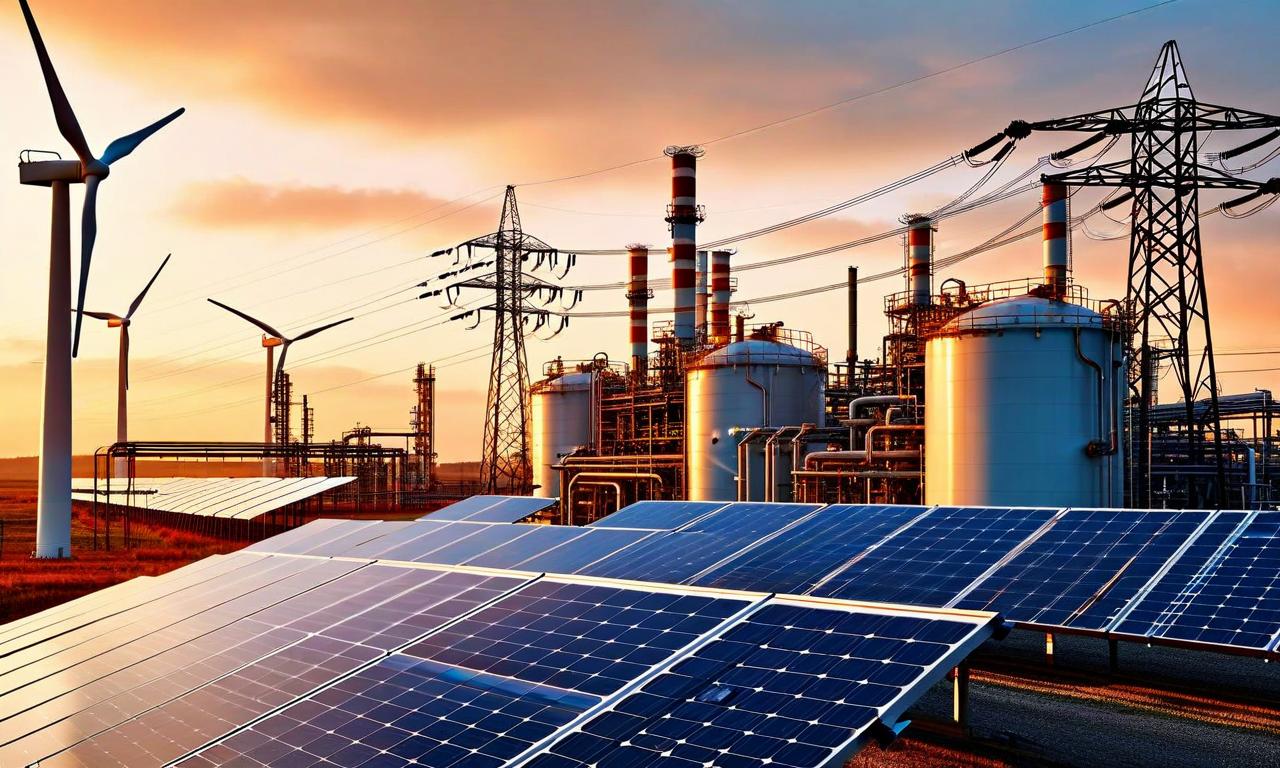

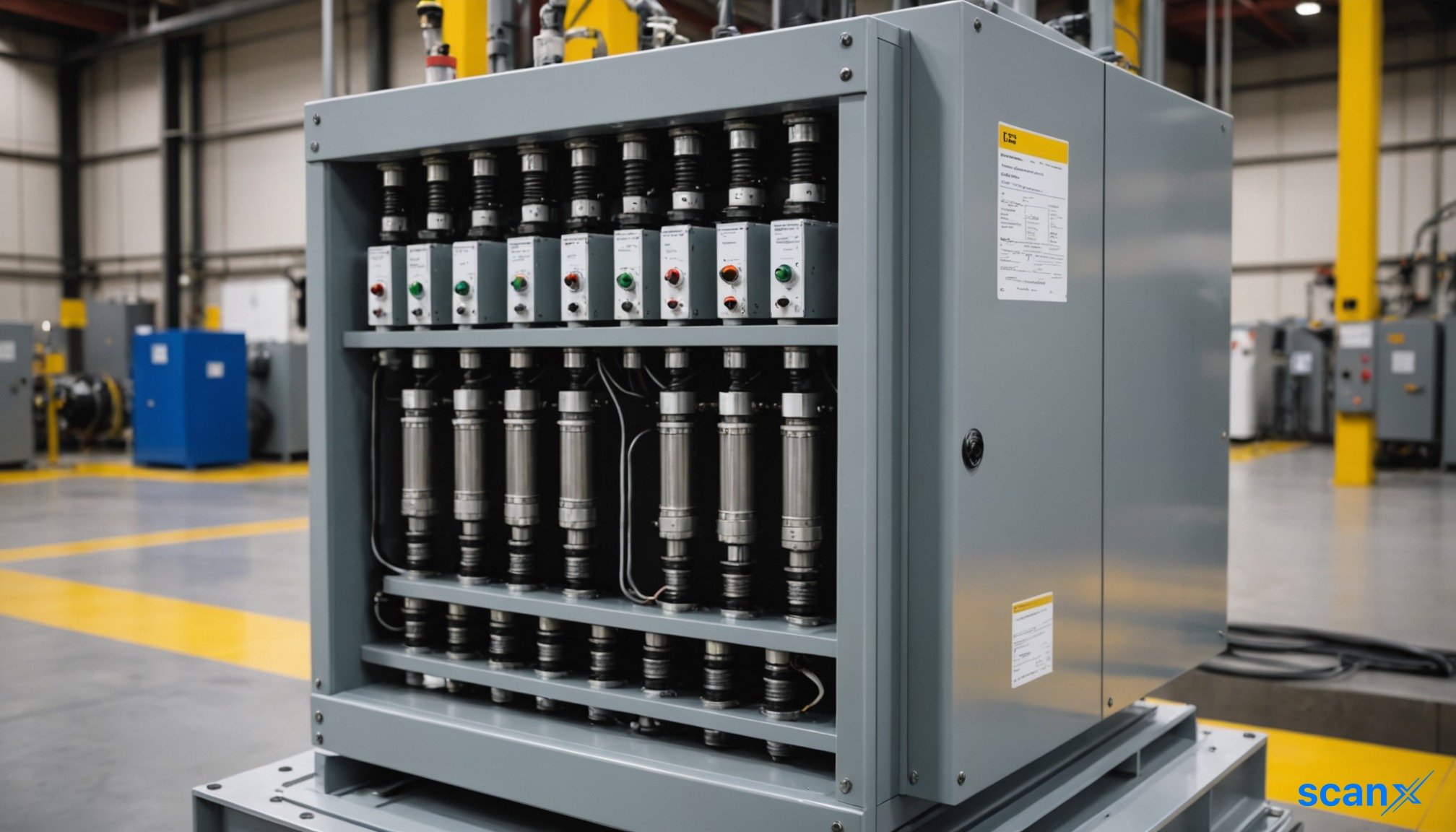
*this image is generated using AI for illustrative purposes only.
Clean Max Enviro Energy Solutions Limited has announced a significant partnership with Shell to supply hybrid renewable power to Shell's LNG terminal and technology centre in India. The collaboration involves developing renewable energy projects with a combined installed capacity of approximately 30 MW across Gujarat and Karnataka.
Project Details
The partnership encompasses two major hybrid renewable energy projects designed to serve Shell's critical operations in India. These projects combine wind and solar technologies to ensure reliable power supply for energy-intensive facilities.
| Project Parameter: | Gujarat Project | Karnataka Project |
|---|---|---|
| Total Capacity: | 16.83 MW | 13.20 MW |
| Solar Capacity: | 6.93 MWp | 9.90 MWp |
| Wind Capacity: | 9.90 MW | 3.30 MW |
| Facility Served: | Shell LNG Terminal, Hazira | Shell Technology Centre, Bengaluru |
| Implementation Model: | Group-captive | Group-captive |
| Annual Energy Generation: | 66,832 MWh (combined projects) | - |
Gujarat Operations
In Gujarat, CleanMax is developing a 16.83 MW hybrid renewable energy plant comprising 6.93 MWp of solar and 9.90 MW of wind capacity. This project will supply renewable power to Shell's LNG terminal at Hazira, Surat, under the group-captive model. The hybrid configuration is specifically designed to support the energy-intensive operations of the LNG terminal while enhancing supply stability and operational resilience.
Karnataka Facilities
The Karnataka project involves a 13.20 MW hybrid renewable energy plant, consisting of 9.90 MWp of solar capacity in Jagalur and 3.30 MW of wind capacity in Honawad. This installation will power Shell's Technology Centre in Bengaluru, which serves as Shell plc's third global technology centre featuring advanced engineering, digital, and pilot testing facilities for current and future energy systems.
Strategic Partnership Framework
Under the group-captive framework, both companies will co-invest in developing these renewable energy assets, aligning with Shell's continued efforts to advance lower-carbon operations in India. The projects are expected to generate approximately 66,832 MWh of renewable energy annually based on the Power Purchase Agreement.
Kuldeep Jain, Managing Director of Clean Max Enviro Energy Solutions Limited, emphasized the significance of the partnership in supporting Shell's net zero ambitions while enabling critical operations to adopt cleaner energy. He noted that commercial and industrial consumers account for nearly half of India's electricity demand, making corporates key to the country's energy transition.
Mansi Madan Tripathy, Chairperson of Shell Group of Companies India, highlighted how hybrid renewable solutions offer a practical pathway to balance reliability with decarbonization needs across complex assets. The collaboration reflects Shell's approach across key facilities in Gujarat and Karnataka, supporting ongoing efforts to decarbonize operations and serve as a trusted partner in India's energy transition roadmap.
Historical Stock Returns for Clean Max Enviro Energy Solutions
| 1 Day | 5 Days | 1 Month | 6 Months | 1 Year | 5 Years |
|---|---|---|---|---|---|
| +1.61% | -5.92% | -8.46% | +47.31% | +51.01% | +51.01% |

Will this partnership model between CleanMax and Shell be replicated for other Shell facilities across India or internationally?
How might this hybrid renewable energy approach influence other LNG terminals and energy-intensive facilities to adopt similar decarbonization strategies?
What impact could the success of these projects have on CleanMax's ability to secure additional large-scale corporate partnerships in India's renewable energy sector?
 15
15











 Access 50+ Readymade Screeners
  Use 200+ Custom Filters
  Get Full Market Insights





