

Chipotle Mexican Grill approves $1.3 billion share buyback program


Chipotle Mexican Grill's Board of Directors has approved a $1.3 billion share repurchase program. This authorization enables the company to buy back shares in the open market, supporting shareholder value through reduced share count and potential EPS accretion. The move reflects strong cash flow generation and strategic capital allocation.

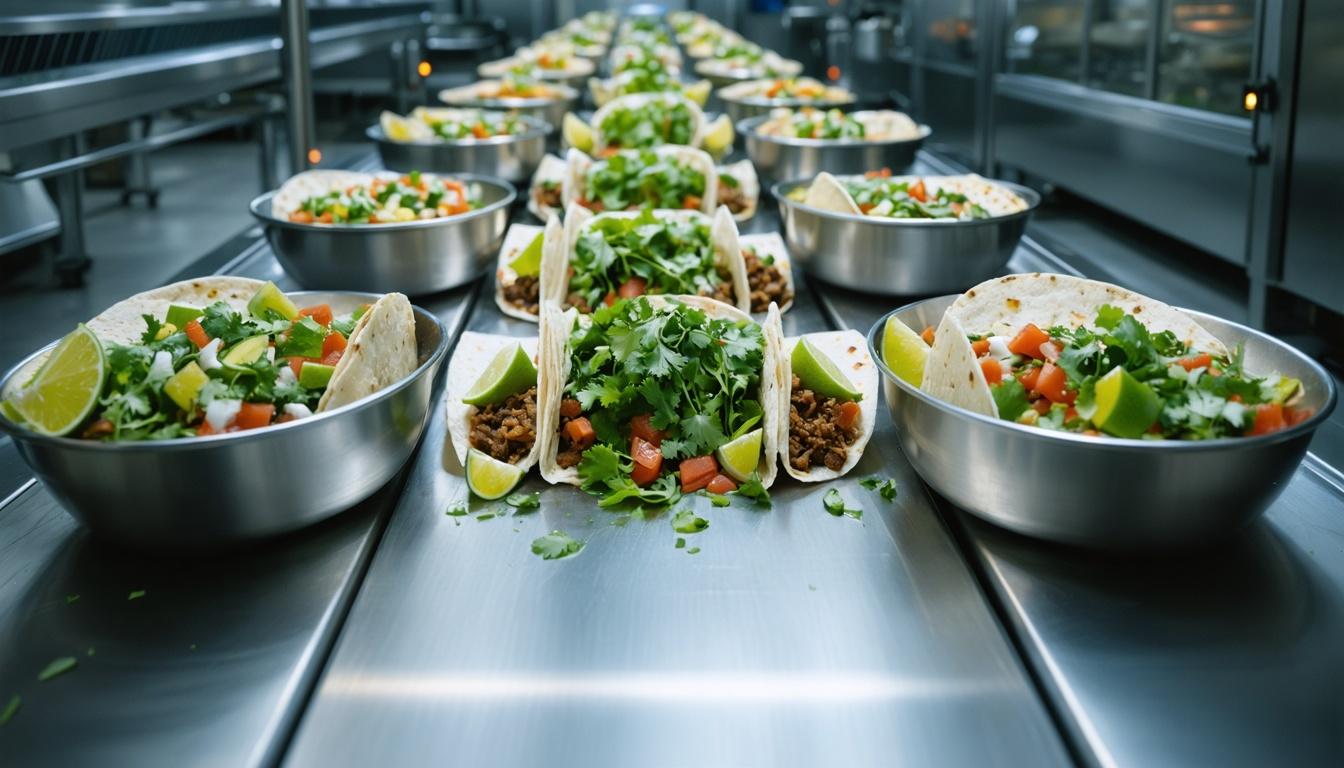

*this image is generated using AI for illustrative purposes only.
Chipotle Mexican Grill has authorized a $1.3 billion share repurchase program, signaling robust confidence in its financial stability and a continued commitment to returning capital to shareholders. The approval of this significant capital allocation strategy highlights the company’s ability to generate substantial free cash flow while maintaining its growth trajectory in the fast-casual dining sector.
The Board of Directors approved the buyback authorization as part of its ongoing capital management framework. This decision allows the company to purchase its own shares in the open market or through private transactions, subject to market conditions and other corporate priorities. The program does not have an expiration date specified in the immediate filing, providing management with flexibility to execute repurchases over time.
Capital Allocation Strategy
The $1.3 billion authorization represents a material commitment to shareholder returns. Chipotle has historically balanced reinvestment in store openings and technology upgrades with capital returns via dividends and buybacks. This latest program reinforces that balance, ensuring that excess cash is deployed efficiently to enhance per-share value metrics such as earnings per share (EPS) and book value per share.
| Metric | Value |
|---|---|
| Buyback Authorization | $1.3 billion |
| Company | Chipotle Mexican Grill |
| Action Type | Share Repurchase Program |
Market Implications
Share repurchases typically reduce the number of outstanding shares, which can mechanically boost EPS if net income remains stable or grows. For investors, this action serves as a signal that management believes the stock is fairly valued or potentially undervalued at current market prices. It also provides a cushion against dilution from equity-based compensation plans, which are common in the technology-driven restaurant industry.
What the Numbers Show
The scale of the $1.3 billion program indicates a high level of liquidity and operational efficiency. By committing to this level of buyback, Chipotle demonstrates that it can fund its expansion plans—such as new store openings and digital platform enhancements—without compromising its ability to reward shareholders. This dual focus on growth and return is a key driver of long-term investor confidence in the brand.

How might the $1.3 billion buyback program impact Chipotle's capital expenditure budget for new store openings and digital infrastructure upgrades?
What is the expected timeline for executing these repurchases, and how will management prioritize them against potential dividend increases?
How does this share repurchase scale compare to peer companies in the fast-casual dining sector, and what does it signal about relative valuation?
 18
18









 Access 50+ Readymade Screeners
  Use 200+ Custom Filters
  Get Full Market Insights





