

Chambal Fertilisers & Chemicals files FY26 sustainability report


Chambal Fertilisers & Chemicals Limited filed its FY26 BRSR report with Indian stock exchanges, disclosing standalone ESG metrics. Key figures include 14,81,280 metric tonnes of Scope 1 emissions, zero recordable injuries, and 16,500 safety training hours. Moore Singhi Advisors LLP provided reasonable assurance on core KPIs.



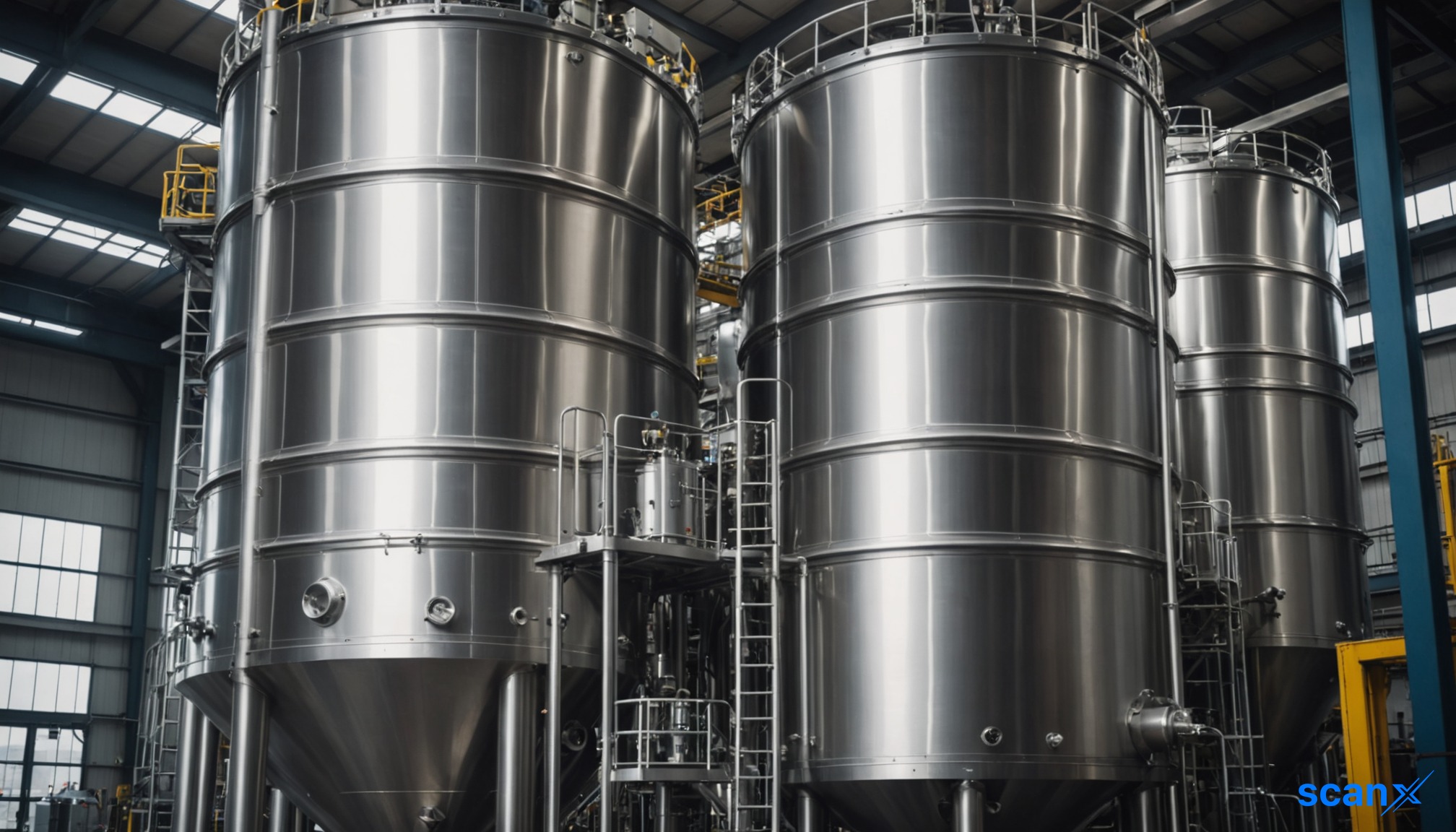
*this image is generated using AI for illustrative purposes only.
Chambal Fertilisers & Chemicals Limited filed its Business Responsibility and Sustainability Report (BRSR) for the financial year ended March 31, 2026, with the Bombay Stock Exchange and National Stock Exchange on August 5, 2026. The filing, submitted pursuant to the SEBI (Listing Obligations and Disclosure Requirements) Regulations, 2015, details the company’s standalone environmental, social, and governance performance across its three manufacturing plants in Gadepan, Rajasthan. The report highlights a total recordable injury rate of 0.00 and Scope 1 greenhouse gas emissions of 14,81,280 metric tonnes of CO2 equivalent.
The submission was signed by Tridib Barat, Vice President - Legal & Company Secretary. The reporting boundary encompasses the Gadepan-I, Gadepan-II, and Gadepan-III plants, along with the corporate office in New Delhi. Moore Singhi Advisors LLP provided independent reasonable assurance on the BRSR Core Key Performance Indicators, confirming that the metrics were prepared in accordance with the chosen criteria based on SEBI circulars and International Standards on Assurance Engagements.
Environmental Performance
The company reported significant data on resource consumption and emissions for FY26. Total energy consumption stood at 2,62,59,292 Gigajoules, with renewable sources contributing 5,489 Gigajoules. Water withdrawal from surface sources totaled 1,32,35,537 kilolitres. The company maintains a Zero Liquid Discharge facility at the Gadepan-III plant, treating effluents through Reverse Osmosis and Multi-Effect Evaporators before reuse or co-processing.
| Metric | FY26 Value | Unit |
|---|---|---|
| Scope 1 Emissions | 14,81,280 | Metric tonnes CO2 eq |
| Total Energy Consumption | 2,62,59,292 | Gigajoule |
| Water Withdrawal | 1,32,35,537 | Kilolitres |
| Waste Generated | 6,153.63 | Metric tonnes |
Air emissions included Nitrogen Oxides at 48.7 PPM and Ammonia at 43.1 mgPerNm3. The company noted that specific carbon emissions were 0.44 MT of CO2 per MT of Urea produced.
Safety and Employee Well-being
Chambal Fertilisers reported a Total Recordable Injury Rate (TRIR) of 0.00 for both employees and workers in FY26, down from 0.21 for workers in the previous year. The company achieved 16,500 safety training man-hours. As of March 31, 2026, there were no employees’ or workers’ associations or unions recognized by the listed entity. The workforce comprised 710 permanent employees and 2,373 workers, including 1,882 non-permanent workers.
Governance and Stakeholder Engagement
The Board of Directors includes one female director, representing 12.50% of the board. The company engaged with approximately 3 lakh farmers through outreach programs such as ‘Seed To Harvest’. No fines, penalties, or material regulatory actions were reported during the fiscal year. The company also disclosed zero complaints related to sexual harassment, discrimination, or child labour.
Historical Stock Returns for Chambal Fertilisers & Chemicals
| 1 Day | 5 Days | 1 Month | 6 Months | 1 Year | 5 Years |
|---|---|---|---|---|---|
| -0.64% | +1.52% | -8.29% | -16.27% | -21.41% | +3.51% |

Given the low proportion of renewable energy (approx. 0.002%) in total consumption, what specific roadmap or capital expenditure plans does Chambal Fertilisers have to significantly increase its renewable energy mix in the coming fiscal years?
How does the company plan to address its high Scope 1 emissions of 14.8 million tonnes, and are there any announced initiatives for carbon capture, utilization, or storage (CCUS) technologies?
With water withdrawal exceeding 132 million kilolitres, what strategies is Chambal implementing to further reduce freshwater dependency beyond the existing Zero Liquid Discharge facility at Gadepan-III?
 19
19






 Create Custom Screeners
  Access 200+ Pre-built Filters
  Use 50+ Readymade Screener





