

Branchout Food Q2 Results: Revenue hits record $4.45M, gross margin at 2%


Branchout Food reports record Q2 2026 revenue of $4.45M, though gross margins dip to 2% due to off-season sourcing and logistics costs. The company is ramping production to 70,000 kg/month to support new recurring orders from Sam's Club, Costco, and Target. Full-year revenue guidance is raised to $18-20M, with Q4 projected at $6-7M. Management expects margin improvement as plant utilization increases and raw materials are sourced in-season.

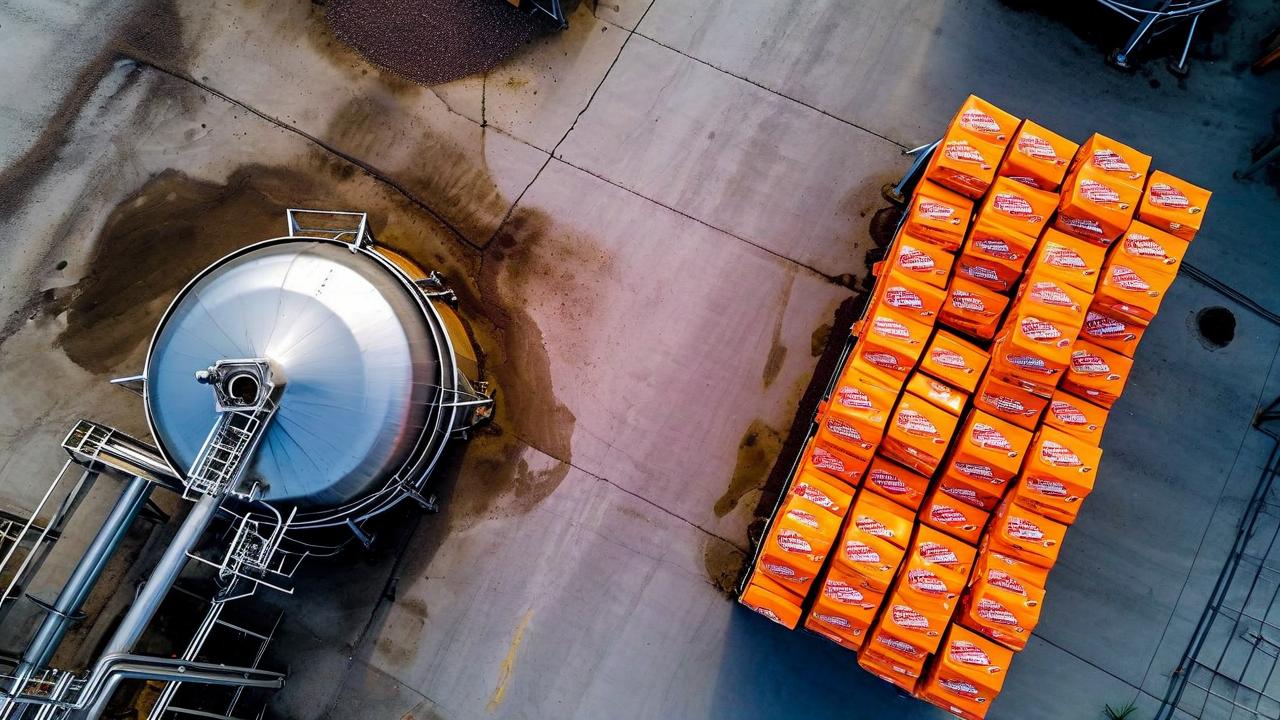

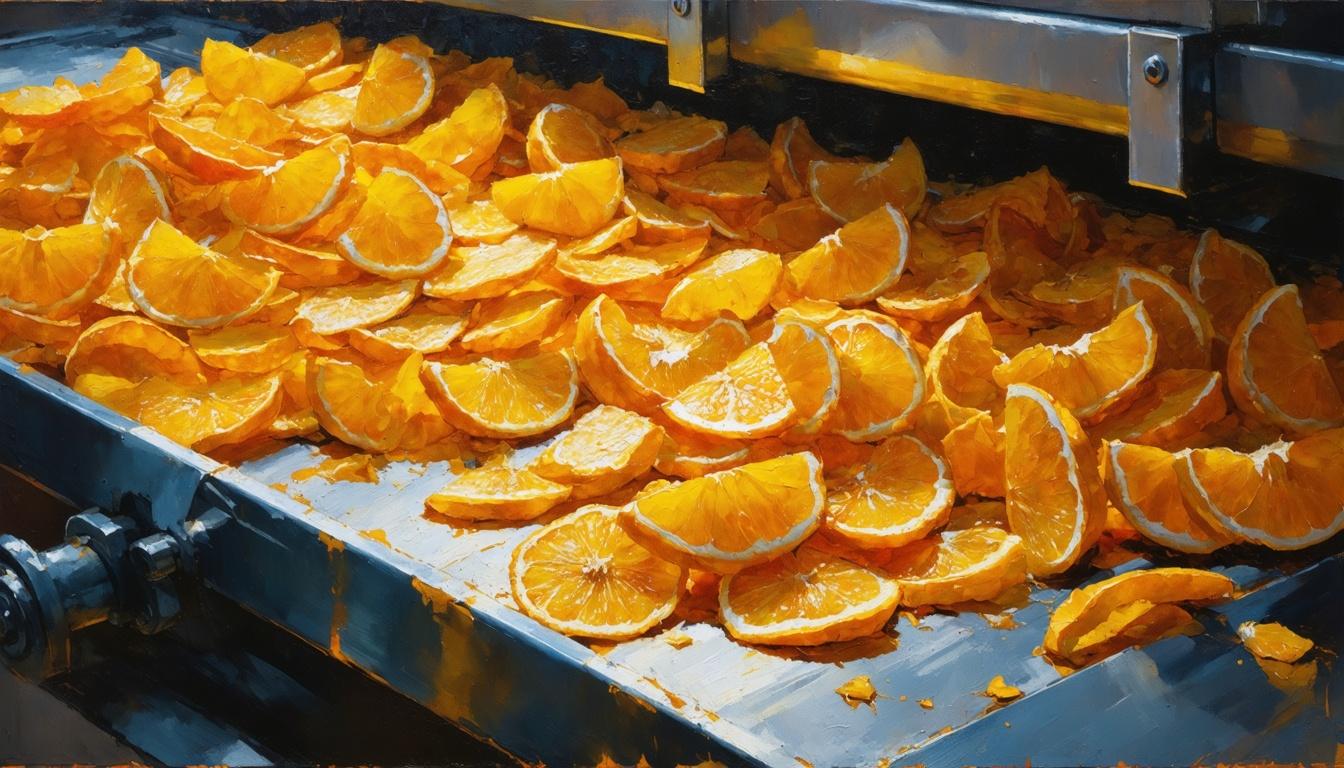
*this image is generated using AI for illustrative purposes only.
Branchout Food (NASDAQ: BOF) delivered its highest-ever quarterly net revenue of $4.45 million in the second quarter of 2026, marking a significant operational inflection point for the dried fruit manufacturer. The top-line growth was fueled by strong customer execution across multiple channels, including a successful conversion of a one-time product rotation into a recurring everyday order with Sam's Club.
However, the revenue expansion came at the cost of profitability, with gross margins compressing to just 2% for the quarter. Management attributed this margin pressure to strategic investments in customer acquisition, including air-shipping products to meet tight deadlines and sourcing organic strawberries during the off-season at approximately double the normal cost. These factors were necessary to secure long-term recurring business with key partners like Sam's Club and MicroDried.
Production Ramp-Up and Utilization
The company is actively scaling its manufacturing operations to meet surging demand. Historically operating at 35-45 metric tons per month with plant utilization around 40-45%, Branchout Food is ramping production to 70,000 kg monthly. This increase is driven by booked business, including the new Sam's Club order, expanded industrial ingredient contracts, and new listings at Costco and Target.
Management indicated that reaching this utilization level is critical for unlocking profitability. At current output levels, fixed overheads are spread thinly; however, models suggest that hitting the 70,000 kg threshold will allow the company to move beyond breakeven. The company expects no additional hiring to meet this volume, implying improved operational efficiency per unit.
Financial Position and Working Capital
On the balance sheet, Branchout Food reported $8.1 million in current assets against $7.57 million in current liabilities. Cash on hand stood at $200,000, but management emphasized that working capital is tightly managed through a just-in-time manufacturing model. Inventory turnover remains rapid, with stock turning in less than 90 days, though product transit times of 60 days mean cash is frequently tied up in inventory and accounts receivable.
The company holds a $3 million convertible note from Kauffman Capital, an 8% instrument that serves as a bridge to a future revolving credit facility. Management described the balance sheet as healthy, noting that accounts receivable are backed by strong creditworthy clients such as Costco, Walmart, and Sam's Club.
What the Numbers Show
A significant divergence exists between the company's top-line momentum and its bottom-line realization. While revenue hit a record $4.45 million, the 2% gross margin reveals that the current growth phase is heavily subsidized by operational inefficiencies and strategic pricing. Specifically, the industrial ingredient business (33% of revenue) posted only a 3% gross margin due to off-season strawberry costs, while Sam's Club (31% of revenue) yielded 14% margins after air-freight expenses. In contrast, Costco (20% of revenue) maintained a healthy 43% gross margin. This mix highlights that profitability is currently suppressed by channel-specific logistics and timing issues rather than structural product weakness.
Forward Guidance and Outlook
Management provided optimistic guidance for the remainder of FY26, projecting fourth-quarter revenue between $6 million and $7 million. Full-year revenue guidance has been raised to $18-20 million, up from previous expectations. The company aims to sustain this higher run rate into 2027, supported by a baseline of approximately $8 million in annual recurring business from Sam's Club alone.
Key drivers for future growth include:
- Expansion of the Sam's Club partnership, potentially doubling door count by mid-next year.
- Growth in the industrial ingredient channel, which is expected to reach nearly $7 million this year and exceed $10 million next year.
- New product launches at Target (five SKUs) and Costco, including organic apple chips and a new cheesecake product.
- In-house packaging initiatives, planned for next year, which could save significant costs compared to the $1.5 million spent on outsourced packaging in 2026.

How will the transition to in-house packaging next year impact the company's ability to recover gross margins from the current 2% low?
What are the specific terms and timeline for the revolving credit facility that will replace the existing $3 million convertible note?
Can the company maintain its just-in-time inventory model without additional hiring as production scales to 70,000 kg monthly?
 18
18




 Create Custom Screeners
  Access 200+ Pre-built Filters
  Use 50+ Readymade Screener





