Blue Ops integrates Volvo Penta D4-320 into V7 USV platform

scanx
Reviewed by
Ashish TScanX News Team
Key Highlights

Red Cat Holdings' Blue Ops division has integrated the Volvo Penta D4-320 diesel engine into the Variant 7 uncrewed surface vessel. This 320-horsepower propulsion option enhances the platform's flexibility for defense missions, leveraging global service support.


powered bylight_fuzz_icon
47321310

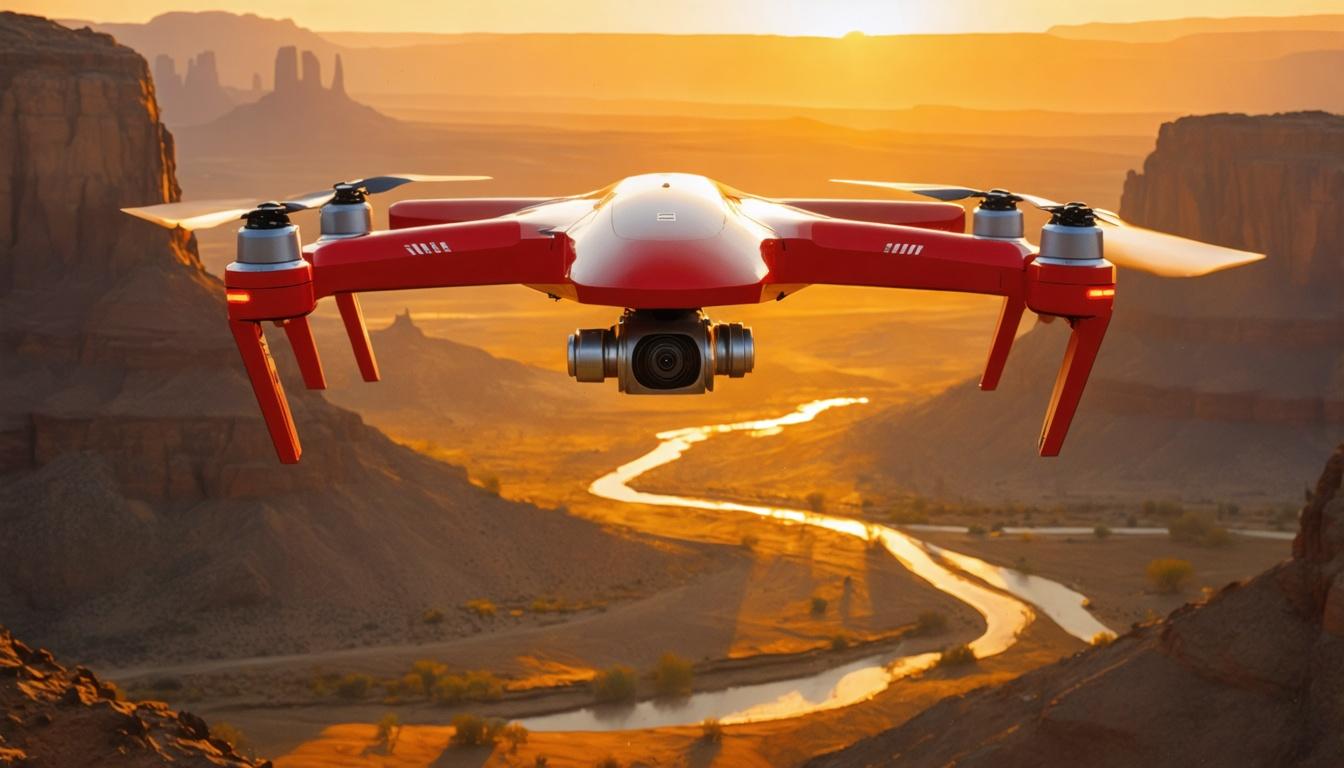
*this image is generated using AI for illustrative purposes only.

Red Cat Holdings, Inc. (NASDAQ: RCAT) announced on Aug. 03, 2026, that its maritime division, Blue Ops, has successfully integrated the Volvo Penta D4-320 diesel engine and DPI drive into its Variant 7 (V7) uncrewed surface vessel. This development expands the propulsion configurations available for the V7 platform, providing defense, homeland security, and allied customers with access to a proven marine propulsion package backed by Volvo Penta’s global service network. The integration supports Red Cat’s strategy to deliver flexible, production-ready autonomous systems across air, land, sea, and space domains.

The V7 is a mission-adaptable uncrewed surface vessel designed, built, and assembled in the United States for U.S. and allied defense missions. Built around Modular Open Systems Architecture (MOSA) principles, the platform allows customers to configure propulsion, payloads, sensors, communications, and mission systems based on specific operational requirements. The addition of the Volvo Penta system broadens customer choice while maintaining compatibility with the V7’s autonomy, control, and mission systems.

Propulsion System Specifications

The integrated package features the Volvo Penta D4-320, a 320-horsepower, 3.7-liter, four-cylinder common-rail diesel engine. Paired with the DPI DuoProp drive, the system is designed to deliver responsive handling, durability, and efficient marine performance. Key specifications of the new propulsion configuration include:

Component Specification
Engine Model Volvo Penta D4-320
Power Output 320 horsepower
Engine Displacement 3.7 liters
Cylinder Configuration Four-cylinder common-rail diesel
Drive System DPI DuoProp drive

Barry Hinckley, President of Blue Ops, stated that the company designs its boats to give customers flexibility while maintaining reliability and mission performance. He noted that integrating the Volvo Penta D4-320 provides operators with another proven propulsion option from a trusted manufacturer, preserving the common autonomy and mission architecture at the core of the platform.

Strategic Implications

The integration reinforces Red Cat’s focus on delivering scalable U.S. manufacturing solutions with open architecture and an integrated autonomy stack. Brock Gavin, Vice President of marine sales and service for Volvo Penta North America, emphasized that the partnership demonstrates how proven propulsion technology can support the growing requirements of autonomous maritime operations in demanding environments. He highlighted Volvo Penta’s commitment to delivering dependable parts and support where and when customers need them.

The V7 platform supports a wide range of operations, including intelligence, surveillance and reconnaissance; force protection; harbor and coastal security; and contested logistics. By combining these capabilities with the Volvo Penta propulsion system, Blue Ops aims to enhance operational effectiveness and mission safety for military, government, and public safety clients operating globally.

How might the integration of Volvo Penta's global service network impact the total cost of ownership and deployment speed for international allied customers?

What is the expected timeline for Red Cat to secure initial production contracts for the V7 equipped with the new D4-320 propulsion system?

Could this partnership with Volvo Penta signal a broader trend of traditional marine engine manufacturers integrating more deeply into autonomous defense platforms?

like15
dislike

Red Cat Holdings secures $2.49M Air Force contract for Black Widow UAS assessment

scanx
Reviewed by
Riya DScanX News Team
Key Highlights

Red Cat Holdings Inc. announced a $2.49 million contract with the U.S. Air Force Security Forces Center to supply Black Widow unmanned aircraft systems for assessment as a potential replacement for the Teal 2 fleet. The firm-fixed-price agreement includes hardware, logistics, and training support, with delivery scheduled for August 24, 2026. Following the announcement, Red Cat shares rose 2.51% to $6.94, reflecting investor confidence in the company's expanding defense portfolio.

powered bylight_fuzz_icon
46955097

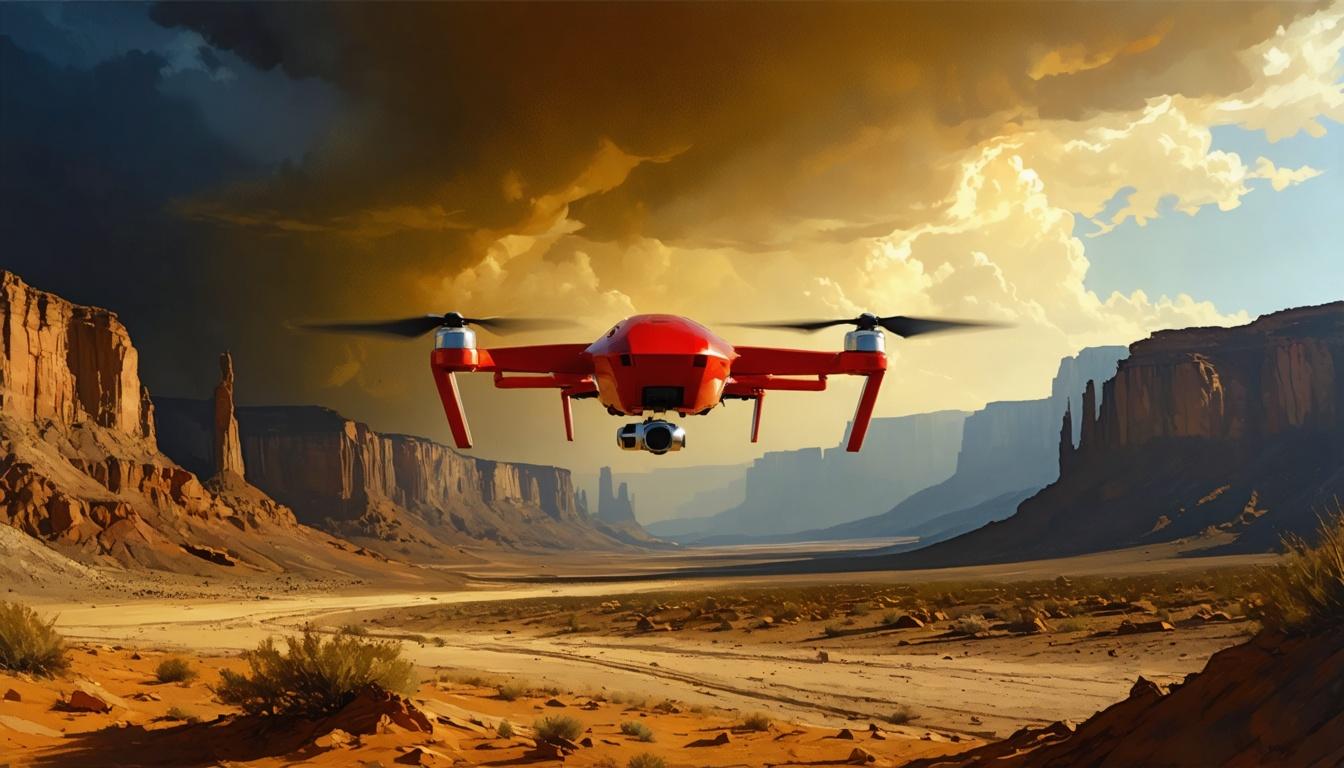
*this image is generated using AI for illustrative purposes only.

Red Cat Holdings Inc. (NASDAQ: RCAT) has secured a $2.49 million firm-fixed-price contract from the U.S. Air Force Security Forces Center (AFSFC) to supply its Black Widow small unmanned aircraft system (UAS). The agreement, which mandates delivery by August 24, 2026, includes systems, batteries, spares, shipping, and train-the-trainer support. This award positions the Black Widow platform as a potential successor to the Air Force Security Forces’ existing Teal 2 fleet, marking a significant expansion for Red Cat beyond its established role with the U.S. Army.

The stock reacted positively to the news, with Red Cat shares trading 2.51% higher at $6.94 at the time of publication. The contract is executed with the AFSFC, the organization responsible for training, equipping, and managing program execution for the Air Force Security Forces enterprise worldwide. This scope encompasses active-duty personnel, the Air National Guard, and the Air Force Reserve Defenders. By engaging Red Cat for this assessment, the Air Force is leveraging the company’s momentum following its selection as the U.S. Army’s Short Range Reconnaissance platform provider.

Contract Scope and Components

The $2.49 million award covers multiple critical components necessary for a comprehensive field assessment. The deliverables include not only the Black Widow UAS hardware but also essential support infrastructure. This holistic approach ensures that the assessment evaluates both the technical capabilities of the drone and the operational readiness of the personnel who will deploy it.

Component Description
Hardware Black Widow small UAS systems
Logistics Batteries, spare parts, and shipping
Training Train-the-trainer support programs

The inclusion of train-the-trainer support indicates a focus on long-term operational integration rather than just short-term testing. This structure allows the AFSFC to build internal expertise while evaluating the system’s performance in real-world scenarios. The assessment will determine if the Black Widow can effectively replace the Teal 2 fleet across the total force, including Guard and Reserve components.

What the Numbers Show

The $2.49 million contract value reflects a substantial investment in pre-commercialization activities. Unlike large-scale procurement contracts that follow successful evaluations, this award funds the critical decision-making phase itself. The fact that the Air Force is dedicating nearly $2.5 million to assess the Black Widow signals strong institutional interest in the platform. It suggests that the U.S. military sees a viable path toward modernizing its security forces’ reconnaissance capabilities with commercial off-the-shelf or near-commercial technologies. This follows Red Cat’s success with the Army, indicating a broader trend of cross-service adoption for its UAS solutions.

Jeff Thompson, CEO of Red Cat, stated that the company is proud to support the U.S. Air Force across active-duty, Air National Guard, and reservists as the AFSFC evaluates Black Widow for missions at the tactical edge. He noted that this assessment reflects growing recognition across the Department of War that secure, American-made systems are essential for national defense operations.

How might the successful evaluation of the Black Widow UAS by the Air Force Security Forces influence future procurement decisions for the Army's Short Range Reconnaissance program?

What are the potential revenue implications for Red Cat Holdings if the Black Widow is selected to fully replace the Teal 2 fleet across active-duty, Guard, and Reserve components?

How does Red Cat's strategy of securing cross-service contracts compare to competitors in the small UAS market, and could this lead to further expansion into the Navy or Marine Corps?

like17
dislike

More News on Red Cat Holdings Inc