

Bimergen Energy Q2FY26 Results: Turns profitable with $1.6M net income


- Bimergen Energy posted first-ever GAAP profitability with $1.6M net income on $7.9M revenue in Q2FY26
- Adjusted EBITDA reached $3.9M, with EPS of $0.22 per share
- Cash balance surged to $9.4M from $0.4M following a $13.6M public offering in February 2026
- Working capital improved to positive $9.6M from negative $4.5M at year-end 2025
- Company uplisted to NYSE American and targets scaling to $400M annual revenue

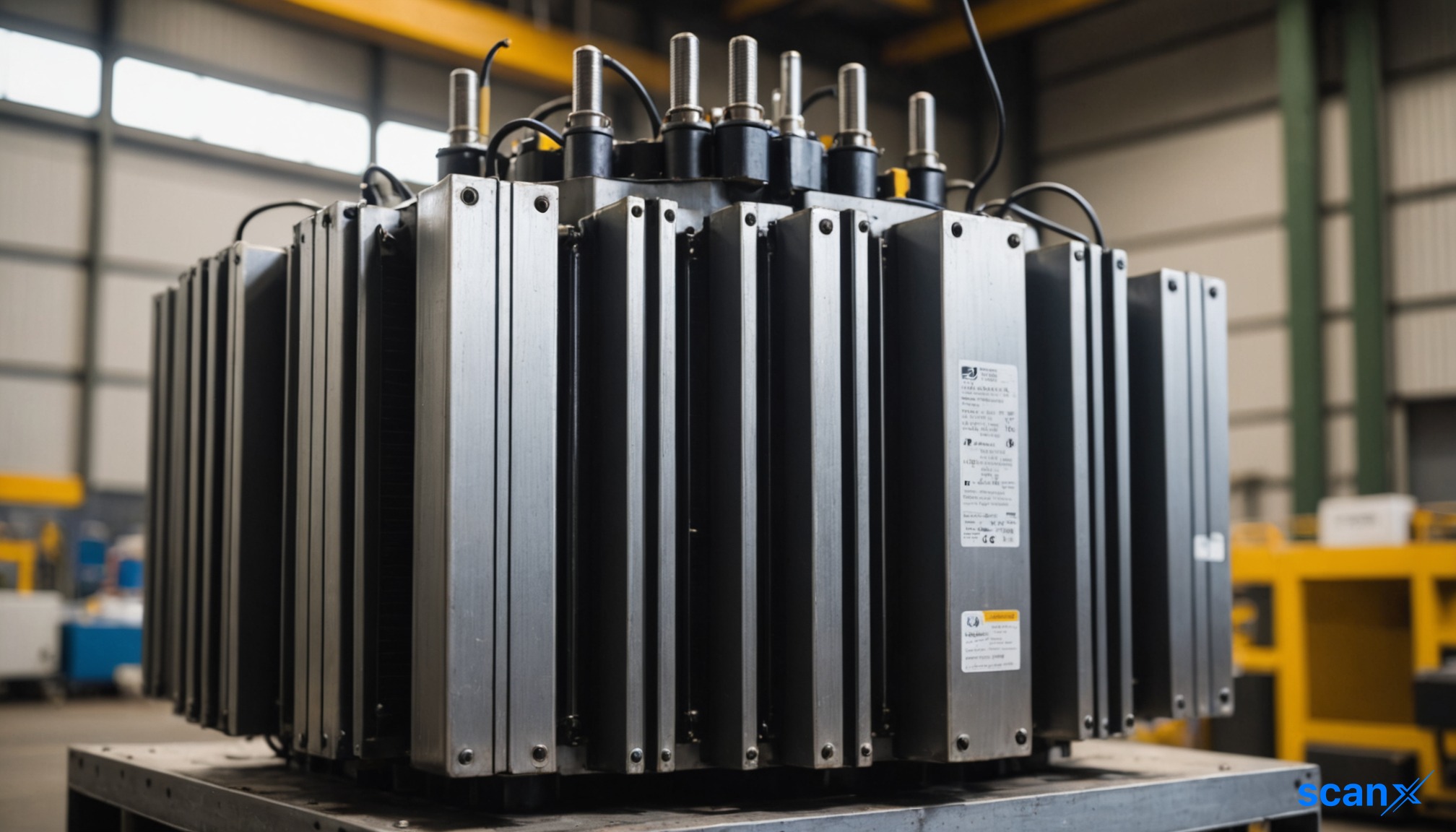

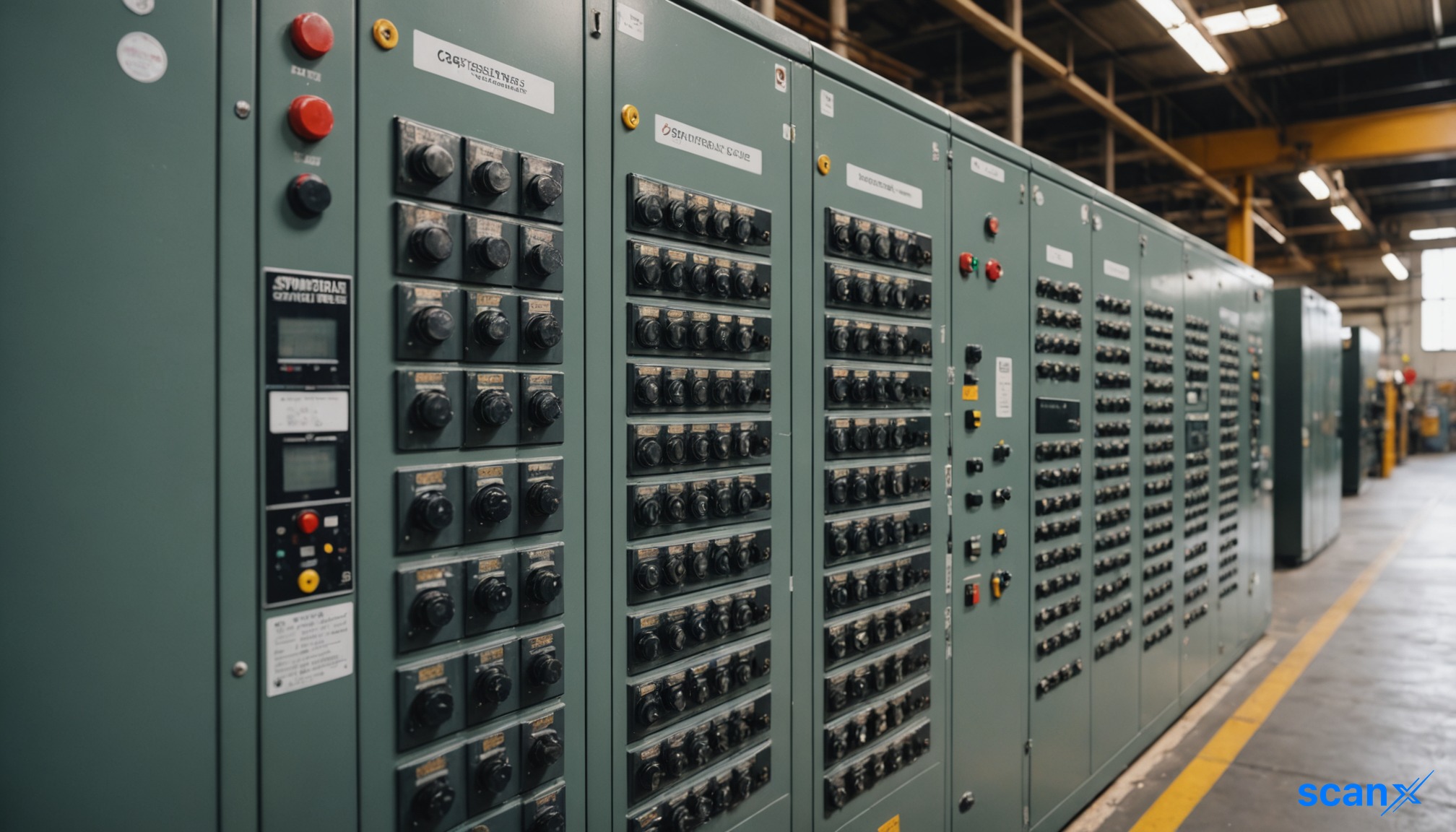
*this image is generated using AI for illustrative purposes only.
Bimergen Energy achieved its first-ever revenue and GAAP profitability in the second quarter of fiscal year 2026, marking a significant operational milestone for the renewable energy infrastructure developer. The company recorded $7.9 million in revenue and $1.6 million in net income, signaling a transition from development-stage losses to early-stage earnings.
This profitability coincides with the company's recent uplisting to NYSE American and a strengthened balance sheet, positioning it for execution of its battery energy storage system pipeline. Co-CEO Bob Brilon highlighted these achievements while participating in the MoneyShow Orlando keynote panel on October 6, 2026, discussing global energy market rebalancing and AI-driven electricity demand.
Financial Performance Highlights
The Q2FY26 results demonstrate initial traction in Bimergen’s business model of buying energy at off-peak prices and selling at peak prices. Key financial metrics for the quarter include:
| Metric | Value |
|---|---|
| Revenue | $7.9 million |
| Gross Profit | $4.8 million |
| Adjusted EBITDA | $3.9 million |
| Net Income | $1.6 million |
| EPS | $0.22 |
The company did not provide prior-year comparative figures for these specific metrics in the release, framing this as a breakthrough period rather than a growth trajectory against historical baselines.
Balance Sheet Strengthening
Bimergen significantly improved its liquidity position during the first half of 2026. Cash holdings rose to approximately $9.4 million as of June 30, 2026, a sharp increase from $0.4 million at year-end 2025. This improvement was driven by a $13.6 million public offering completed in February 2026.
Working capital also saw a positive shift, moving from negative $4.5 million at the end of 2025 to positive $9.6 million by mid-2026. This swing provides the company with greater flexibility to fund project development activities without immediate dilutive financing.
Strategic Milestones and Outlook
Beyond financial results, Bimergen outlined several strategic developments:
- Uplisted to NYSE American following the February public offering.
- Participation in MoneyShow Orlando, with Co-CEO Bob Brilon joining a featured keynote panel on energy market strategies alongside industry experts from Capitalist Times and Bloomberg Intelligence.
- Focus on executing joint venture partnerships to bring projects into service.
- Targeting a scale-up to a $400 million annual revenue operation from its current pipeline.
Brilon emphasized that the current focus is on execution, leveraging the strengthened balance sheet to advance utility-scale battery storage projects designed to enhance grid stability.
What the Numbers Show
A divergence between gross profit and adjusted EBITDA reveals the cost structure dynamics. With $4.8 million in gross profit and $3.9 million in adjusted EBITDA, operating expenses (excluding depreciation/amortization adjustments implied by 'adjusted') consumed approximately $0.9 million. Given the small absolute base, this indicates tight operational leverage; however, the conversion of nearly half of gross profit into EBITDA suggests efficient overhead management relative to early-stage revenue levels.

How will the projected $400 million annual revenue target impact Bimergen's capital expenditure requirements and potential need for future dilutive financing?
What specific regulatory or grid interconnection challenges could delay the commissioning of Bimergen's utility-scale battery storage pipeline?
To what extent does the current $7.9 million quarterly revenue rely on seasonal arbitrage spreads, and how resilient is the model to narrowing peak-off-peak price differentials?










 Create Custom Screeners
  Access 200+ Pre-built Filters
  Use 50+ Readymade Screener





