

Bimergen Energy closes $6.4M Texas battery storage deal


Bimergen Energy Corporation closed the acquisition of three Texas battery storage projects from a Cerberus affiliate, receiving $6.4 million in cash and a 7.5% equity stake. An additional $2.5 million is payable upon milestone achievement. The projects utilize Eos Energy's long-duration Z3 batteries to generate revenue through grid arbitrage.



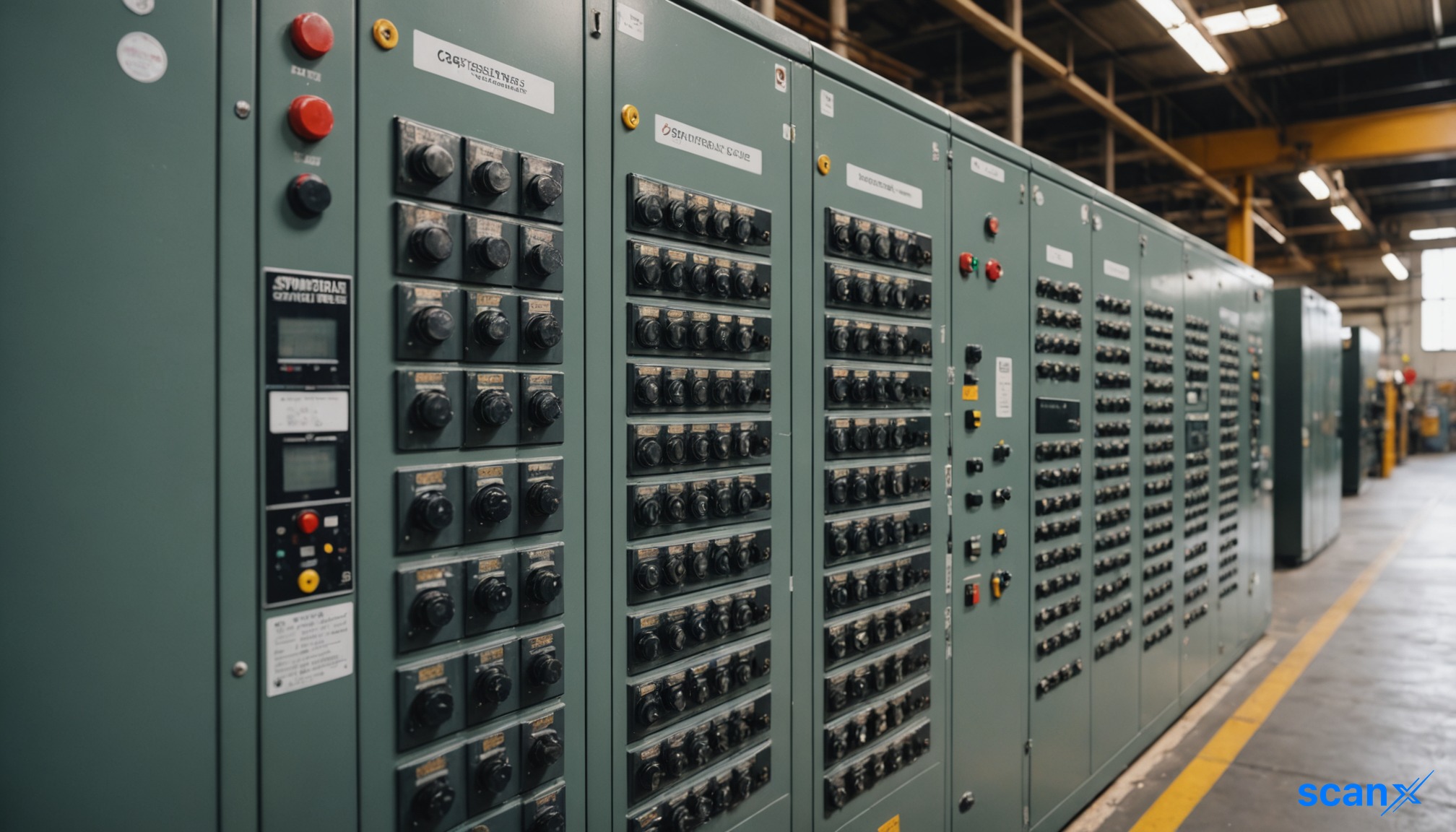
*this image is generated using AI for illustrative purposes only.
Bimergen Energy Corporation (NYSE: BESS) has closed the acquisition of three battery energy storage projects in Texas, receiving $6.4 million in immediate cash consideration from FPU-BEC Development Topco, LLC, an affiliate of Cerberus Capital Management, L.P. and its Frontier Power & Utilities (FPU) division. The transaction includes a 100 MW / 400 MWh facility known as the Bimergen Redbird BESS Project, located outside Houston, alongside two smaller 10 MW / 80 MWh projects also situated in Texas. This deal marks a significant expansion of Bimergen’s operational footprint in the U.S. energy infrastructure sector, leveraging long-duration battery technology to capitalize on grid arbitrage opportunities.
The financial structure of the agreement provides Bimergen with substantial liquidity upon closing, while retaining upside potential through performance-based incentives. In addition to the initial $6.4 million payment, Bimergen is entitled to receive an additional $2.5 million once the Redbird project achieves predefined operational milestones. Furthermore, the consideration package includes a 7.5% equity stake in the projects, allowing the company to participate directly in the long-term profitability of these assets.
Project Specifications and Technology
The acquired assets are designed to utilize Eos Energy Enterprises, Inc. ("Eos") Z3 long-duration batteries, positioning them within the growing segment of extended-duration energy storage solutions. The primary revenue model for these operating battery storage projects involves routinely purchasing power at low prices during periods of low demand or high renewable generation and selling it back to the grid at higher prices during peak demand hours. This arbitrage strategy aims to generate consistent revenues and gross profits by optimizing energy trading cycles.
| Project Name | Capacity | Location | Technology |
|---|---|---|---|
| Bimergen Redbird BESS | 100 MW / 400 MWh | Outside Houston, Texas | Eos Z3 Long-Duration |
| Texas Project 1 | 10 MW / 80 MWh | Texas | Eos Z3 Long-Duration |
| Texas Project 2 | 10 MW / 80 MWh | Texas | Eos Z3 Long-Duration |
Strategic Implications
The acquisition strengthens Bimergen’s position as a developer and operator of energy infrastructure in the competitive Texas market. By partnering with Cerberus Capital Management and FPU, Bimergen gains access to established development pipelines and capital resources. The use of Eos Energy’s Z3 technology suggests a focus on durability and cycle life, which are critical factors for the economic viability of long-duration storage assets. The combination of upfront cash, milestone-based payments, and equity participation provides a balanced risk-reward profile for the transaction.
What the Numbers Show
The total potential cash consideration for the deal stands at $8.9 million ($6.4 million upfront + $2.5 million milestone). The inclusion of a 7.5% equity stake indicates that the buyers view these projects as having significant long-term value beyond the initial sale price. For Bimergen, this structure allows for immediate capital deployment while maintaining a residual interest in the projects’ future cash flows. The focus on long-duration storage (400 MWh capacity at Redbird) aligns with industry trends toward grid-scale stability solutions that can provide power for multiple hours, addressing intermittency issues associated with renewable energy sources.

How will the integration of Eos Z3 long-duration battery technology impact Bimergen's competitive advantage in the Texas grid arbitrage market compared to standard lithium-ion solutions?
What specific operational milestones must the Redbird project achieve to unlock the additional $2.5 million in milestone-based payments, and what are the risks associated with missing these targets?
How might the 7.5% retained equity stake influence Bimergen's future capital allocation strategy and potential for recurring revenue streams from these assets?
 18
18





 Create Custom Screeners
  Access 200+ Pre-built Filters
  Use 50+ Readymade Screener





