

ATC study shows poison-free traps cut mongoose tracking rate from 58% to 8%


Automatic Trap Company highlights results from an 11-day Hawaii trial where poison-free Goodnature A18 traps reduced mongoose tracking rates from 58% to 8%. The deployment removed 12 mongooses across 12 sites without using rodenticides, offering a safe alternative for protecting native birds in sensitive wetland ecosystems like Kawainui Marsh.

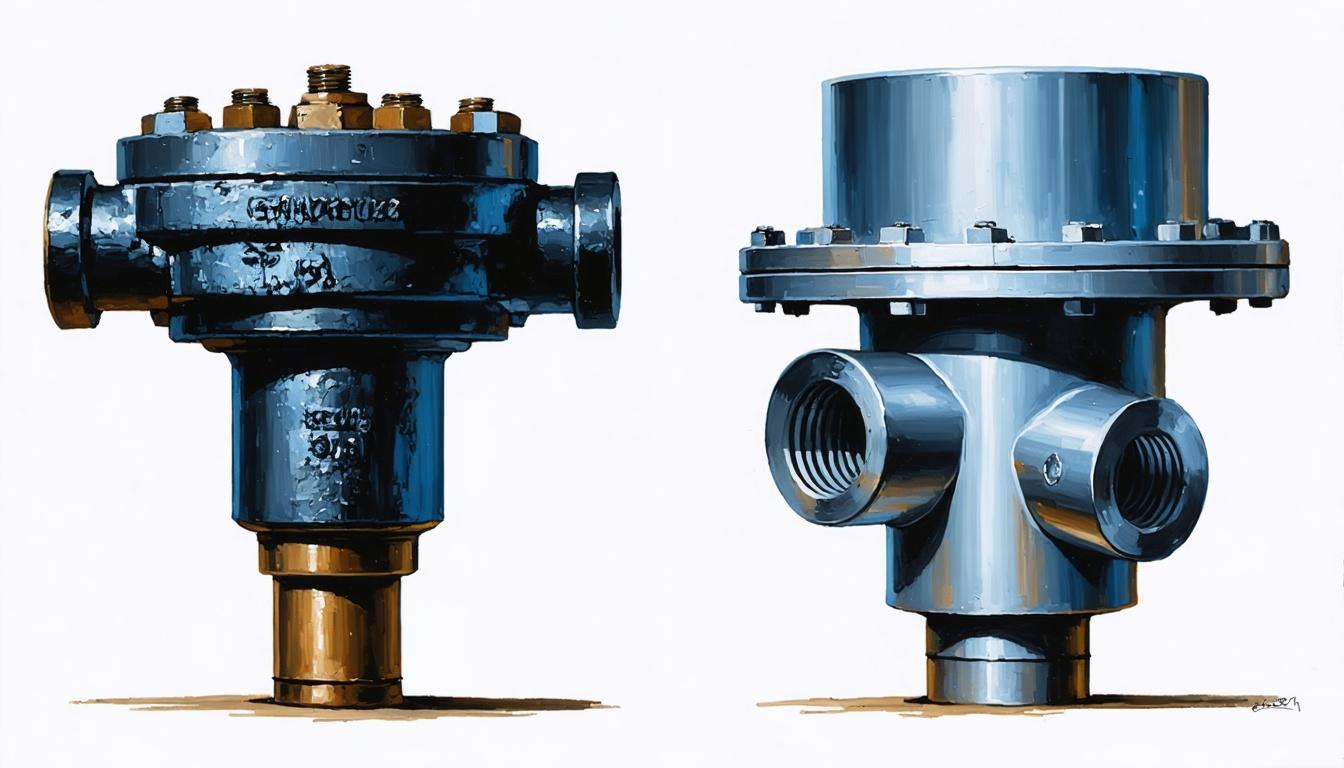

*this image is generated using AI for illustrative purposes only.
Automatic Trap Company (ATC), the North American distributor of Goodnature self-resetting traps, reported on July 30, 2026, that a recent field trial in Hawaii significantly reduced mongoose presence without the use of toxins. The 11-day study at Kawainui Marsh in Kailua demonstrated that deploying automatic kill-traps lowered the mongoose tracking rate from 58% to 8%, providing a viable, poison-free method for controlling invasive predators that threaten native ground-nesting birds. This development addresses a critical need for land managers seeking effective control measures that do not risk secondary poisoning to non-target wildlife.
The trial was conducted at Kawainui Marsh, one of the largest remaining wetlands in Hawaii, where small Indian mongooses have become established predators since their introduction in the 19th century. Conventional control methods have relied heavily on rodenticides and bait stations, which carry environmental risks and are increasingly restricted in ecologically sensitive areas. ATC’s approach utilizes mechanical trapping to remove mongooses while preserving ecosystem safety.
Trial Deployment and Results
Over the course of 11 days, the project team deployed 44 Goodnature A18 traps at approximately 50-meter spacings across the marsh. Tracking tunnels monitored mongoose activity at 12 distinct sites throughout the duration of the study. The results highlighted the efficacy of the technology in reducing predator density rapidly and humanely.
| Metric | Result |
|---|---|
| Initial Mongoose Tracking Rate | 58% |
| Final Mongoose Tracking Rate | 8% |
| Duration of Trial | 11 days |
| Traps Deployed | 44 Goodnature A18 units |
| Mongooses Removed | 12 |
| Toxic Bait Used | None |
The significant drop in tracking rates occurred without the use of any rodenticides or toxic bait. Twelve mongooses were successfully removed from the project area during the trial period.
Technology and Operational Mechanism
The Goodnature A18 traps used in the trial are CO₂-powered and self-resetting. They deliver a rapid, humane strike and then automatically re-arm for the next target. The A18 model is specifically designed for larger animals, featuring a stronger strike mechanism and appropriately sized triggers and shrouds. Because the traps rely on targeted lures rather than broadcast bait, and because no toxins are involved, carcasses do not pose a secondary-poisoning risk to scavengers or other non-target species. Once established, the deployment operates continuously with only periodic servicing required, unlike conventional traps that demand daily resetting.
"The trial reduced the mongoose tracking rate from 58% to 8% without any poison," said Blair Calder, President of Automatic Trap Company. "Our company distributes these traps across North America, and we work directly with conservation programs and pest control operators to deploy them."
What the Numbers Show
The reduction of the mongoose tracking rate from 58% to 8% within just 11 days indicates a high capture efficiency relative to the initial predator density. The removal of 12 animals using 44 traps suggests a capture ratio of approximately one mongoose per three to four active trap sites, demonstrating that targeted mechanical trapping can achieve rapid population suppression in wetland environments where chemical controls are prohibited or undesirable.
Availability in North America
Automatic Trap Company serves as the North American distributor for the Goodnature trap line, including the A18 model utilized in the Kawainui Marsh trial. ATC provides support to conservation programs, pest control operators, and land managers through specialized services. Organizations interested in poison-free mongoose or rodent control can access further information via automatictrap.com.

How might the success of this poison-free trial influence Hawaii's regulatory policies regarding the use of rodenticides in ecologically sensitive wetlands?
What are the projected long-term sustainability and maintenance costs for land managers compared to traditional chemical baiting programs?
Could this mechanical trapping model be effectively scaled to control other invasive predator species in North American ecosystems beyond mongooses?
 16
16








 Access 50+ Readymade Screeners
  Use 200+ Custom Filters
  Get Full Market Insights





