

Apollo Micro Systems hands over indigenous SDD to Indian Navy


Apollo Micro Systems Limited successfully handed over its indigenously developed Safety & Detonation Device (SDD) to the Indian Navy on July 30, 2026. This development eliminates reliance on imports, reducing costs and enhancing self-reliance under the Aatmanirbhar Bharat initiative. The company is now prepared for series production and lifecycle sustenance, expecting a robust pipeline of future orders.

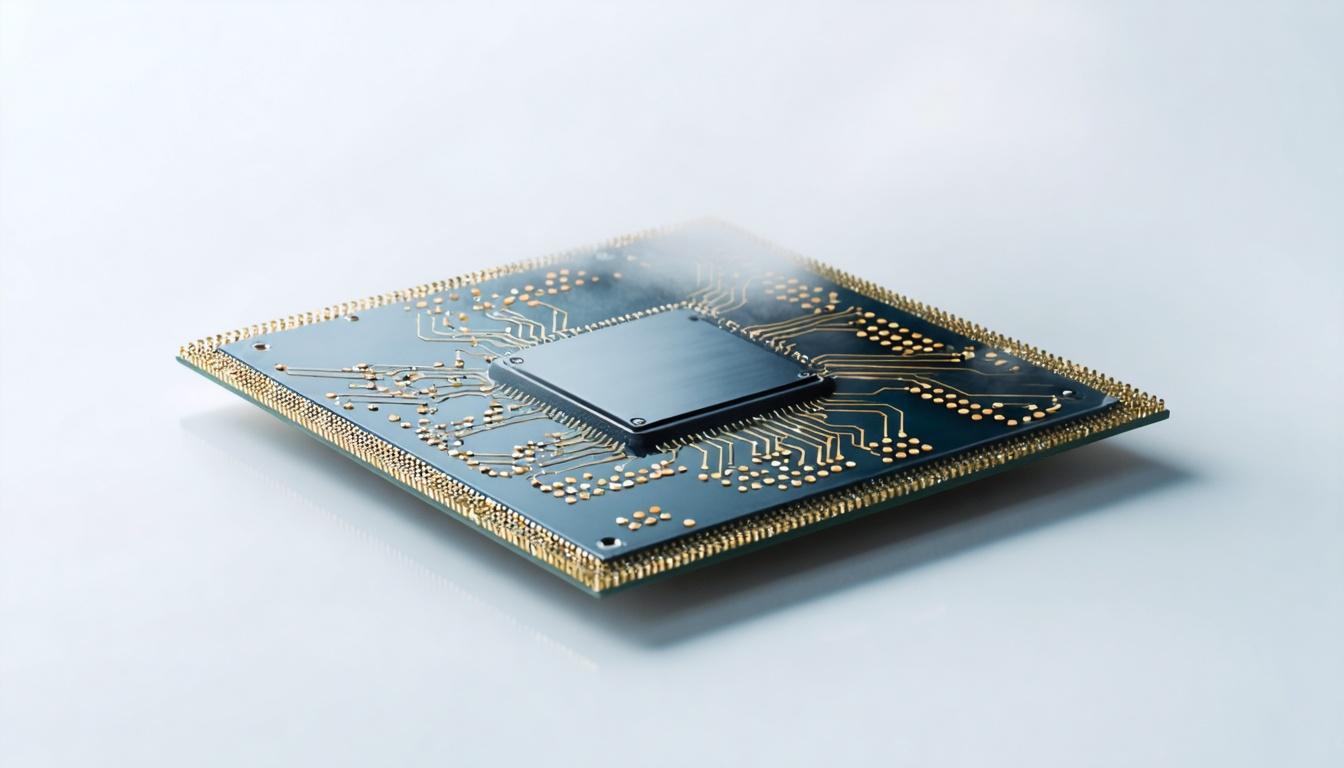

*this image is generated using AI for illustrative purposes only.
Apollo Micro Systems has successfully handed over its indigenously developed Safety & Detonation Device (SDD) to the Indian Navy, eliminating the service's previous reliance on imports for this critical weapon subsystem. The handover ceremony took place on July 30, 2026, in Hyderabad, attended by Rear Admiral Rupak Barua, VSM, Director General of Naval Inspection (DGNAI), alongside senior naval officers and the company’s leadership team. This milestone is expected to significantly reduce procurement costs for the Indian Navy while strengthening India’s self-reliance in defence electronics under the Aatmanirbhar Bharat initiative.
The disclosure was made in a business update filed with the Bombay Stock Exchange and the National Stock Exchange of India Ltd on July 31, 2026, under Regulation 30 of the SEBI (LODR) Regulations, 2015. Karunakar Reddy Baddam, Managing Director of Apollo Micro Systems Limited, confirmed that the device has completed rigorous design, development, qualification, and validation phases. The company stated that it is now fully equipped with the necessary design strength, manufacturing infrastructure, and quality systems to support series production and lifecycle sustenance of the SDD and its derivatives.
Strategic Shift from Imports
Prior to this development, the Indian Navy sourced Safety & Detonation Devices exclusively through import channels, which carried constraints related to cost, availability, obsolescence, and potential denial regimes. The indigenous SDD replaces these imported systems, offering a sovereign alternative that secures operational readiness on domestic terms.
| Feature | Previous Status | Current Status | Impact |
|---|---|---|---|
| Source | Imported | Indigenous | Enhanced self-reliance |
| Cost | Higher (imported) | Reduced | Significant savings |
| Application | Varied Weapons/Missiles | Varied Weapons/Missiles | MRO & New Programs |
The transition addresses long-standing supply chain vulnerabilities, ensuring that critical safety components remain available regardless of international geopolitical shifts or export restrictions.
Technical Validation and Safety Standards
The Safety & Detonation Device serves as the final guardian between a weapon and its target, ensuring ordnance remains safe during storage, handling, transportation, and launch, arming only when valid engagement conditions are met. Given the demanding maritime environment—characterized by shock, vibration, humidity, salt-fog, and severe electromagnetic conditions—the reliability of this system is paramount for both crew safety and weapon performance.
Apollo Micro Systems engineered the device according to stringent international fuze-safety design philosophies. The validation process included:
- Independent, redundant safety interlocks and out-of-line safety architecture.
- Comprehensive environmental qualification covering mechanical shock, vibration, temperature extremes, and marine environmental stress screening.
- Electromagnetic compatibility and interference testing tailored for shipborne and underwater weapon environments.
- Extensive functional, endurance, and safety-margin testing, followed by joint evaluation and acceptance trials with the Indian Navy.
Future Pipeline and Growth Prospects
Management expects this indigenisation success to generate a healthy pipeline of production orders and follow-on programmes. As the Indian Navy and other defence users progressively induct indigenous safety and arming solutions across their weapon inventories, Apollo Micro Systems aims to leverage its proven capability across a wide spectrum of naval and tri-services munitions, underwater weapons, missiles, and guided ordnance.
Baddam Karunakar Reddy noted that handing over a fully indigenous, fully proven system represents a moment of deep pride for the company. He emphasized that the partnership with the Indian Navy marks the beginning of a larger journey in indigenous weapon safety and arming technologies for the nation.
What the Numbers Show
While specific financial figures were not disclosed in the filing, the strategic implication of replacing imported critical subsystems with indigenous alternatives suggests a structural improvement in margin potential due to reduced import duties and supply chain costs. Furthermore, the shift from a one-off development project to series production and lifecycle sustenance indicates a transition toward recurring revenue streams through Maintenance, Repair, and Overhaul (MRO) contracts, which typically offer higher visibility and stability than initial procurement orders.
Historical Stock Returns for Apollo Micro Systems
| 1 Day | 5 Days | 1 Month | 6 Months | 1 Year | 5 Years |
|---|---|---|---|---|---|
| -1.72% | -1.43% | -7.07% | +86.66% | +17.03% | +3,128.18% |

How will the transition to series production impact Apollo Micro Systems' revenue visibility and margin structure compared to its previous project-based development model?
What is the estimated timeline for the Indian Navy to fully phase out existing imported Safety & Detonation Devices in favor of the indigenous Apollo Micro Systems solution?
Will Apollo Micro Systems pursue export opportunities for this indigenous SDD technology, and what regulatory or geopolitical hurdles might affect international adoption?
 18
18






 Access Market Heat-map & Insights
  Create, Save & Share your Screener
  Use 200+ Screening Filters





