Amazon Prime Air targets 500 US cities for drone delivery by end-2026

scanx
Reviewed by
Ashish TScanX News Team
Key Highlights

Amazon.com Inc. aims to scale Prime Air to 500 U.S. cities by late 2026, marking a sixfold expansion. The company reported hundreds of thousands of drone deliveries this year, competing against Wing and Zipline. Broader logistics data shows a 30% rise in same/next-day deliveries in 2025.

powered bylight_fuzz_icon
48692299

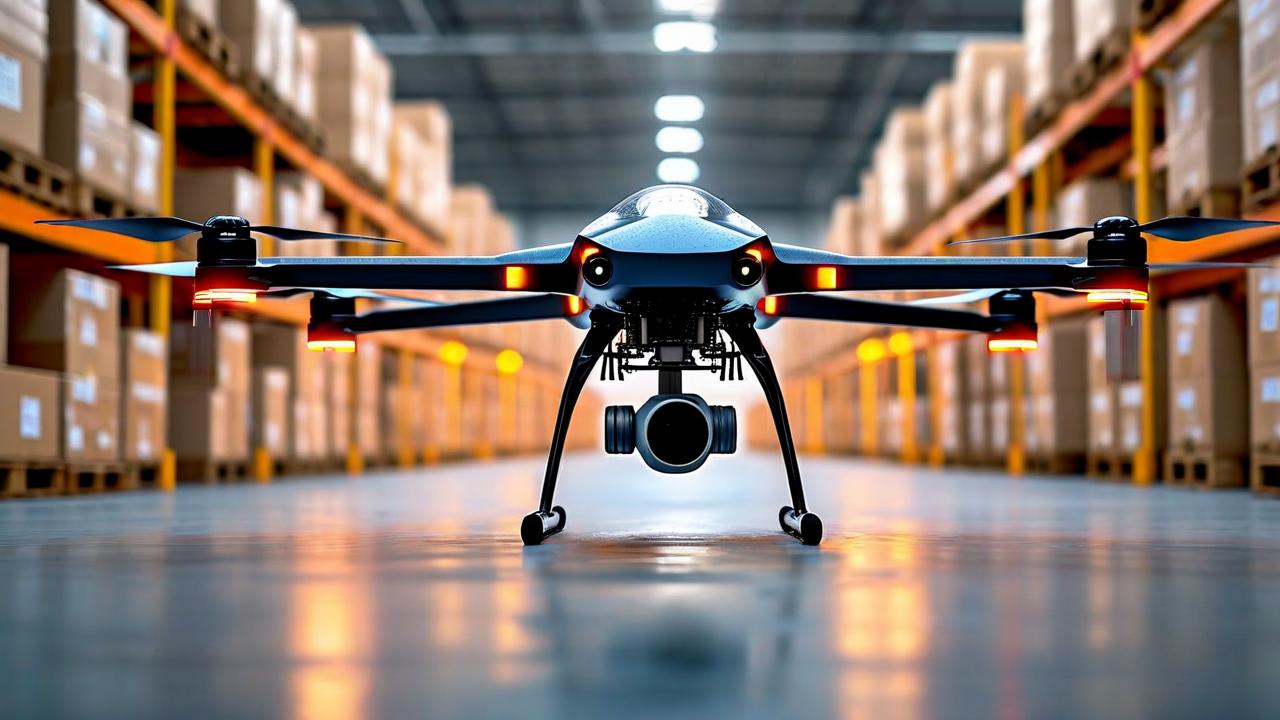
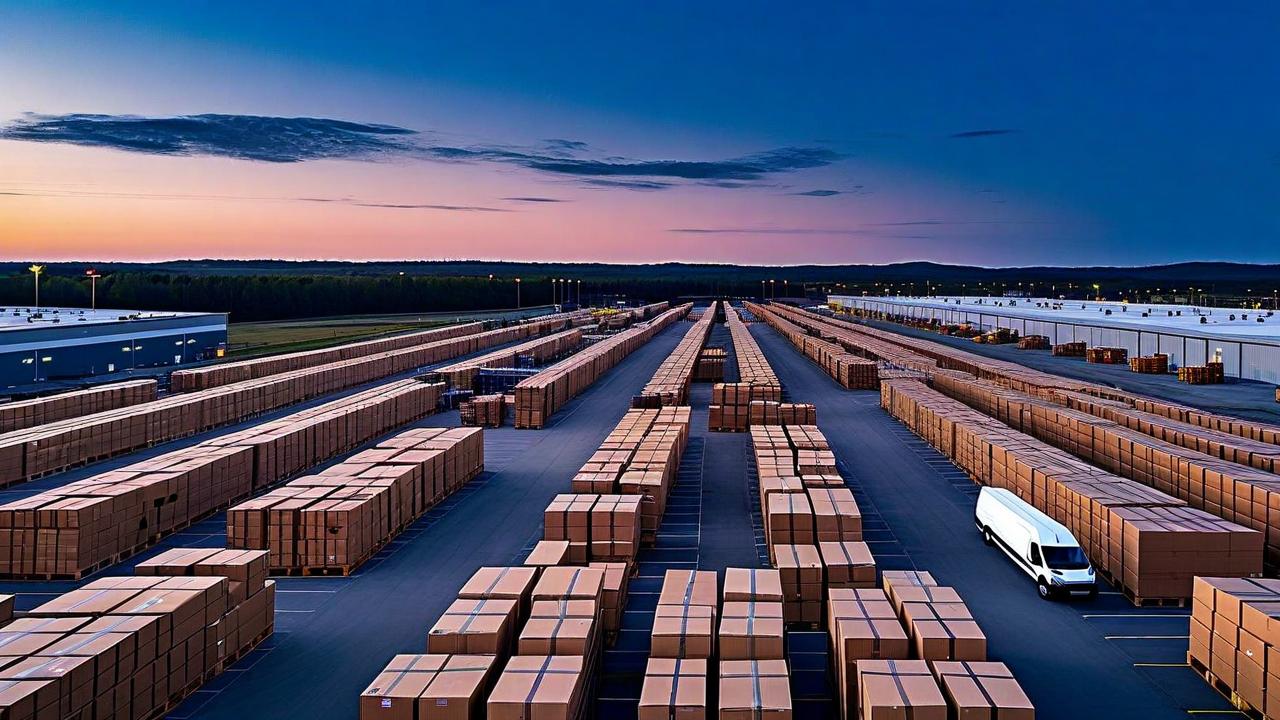
*this image is generated using AI for illustrative purposes only.

Amazon.com Inc. (NASDAQ: AMZN) plans to expand its Prime Air drone delivery service to nearly 500 cities and towns across the U.S. by the end of 2026. In a blog post on Wednesday, the company revealed the expansion plan, indicating a sixfold increase from its current footprint.

David Carbon, vice president of Amazon Prime Air, stated that the company is pairing ultrafast drone delivery with low prices and selection. Amazon’s drone delivery service plans to launch soon in Chicago, Syracuse, Cleveland, Atlanta and Boise, with additional communities expected to be added later this year.

Delivery Volume and Operational Scale

The company disclosed that it has already made hundreds of thousands of deliveries this year, with thousands being made daily. This volume positions Amazon as the highest demand drone delivery service in the industry, according to the company.

This update follows a projection by Carbon five months ago, where he projected 1 million drone deliveries in 2026 during an internal all-hands meeting. Carbon noted in March that customers continue to expect faster deliveries and that the company has not yet reached a point where further speed improvements provide diminishing returns.

Competitive Landscape and Challenges

Amazon’s drone delivery service operates within a competitive market. Alphabet Inc.’s (NASDAQ: GOOGL) (NASDAQ: GOOG) subsidiary, Wing, has surpassed 1 million commercial deliveries and operates in 20 U.S. markets through partnerships with Walmart Inc. (NASDAQ: WMT) and DoorDash Inc. (NASDAQ: DASH). Zipline has completed 2 million deliveries across four continents.

Amazon has faced operational challenges. In early 2025, the company paused commercial drone delivery in Texas and Arizona following the crash of two of its latest models at a testing facility in rainy weather. The company fixed the aircraft’s software before resuming operations.

What the Numbers Show

Amazon’s broader logistics network delivered over 13 billion items globally in 2025 at record speeds. More than 8 billion items reached U.S. Prime members the same or next day, representing a 30% increase in U.S. same- or next-day deliveries compared to the previous year. While drone delivery volumes remain a fraction of total shipments, the sixfold expansion target suggests a strategic push to integrate autonomous delivery into its core logistics infrastructure.

Disclaimer: This article is AI-generated using data from ViewTrade. ScanX is not liable for any inaccuracies.

How will Amazon's rapid expansion of Prime Air impact the competitive dynamics with Wing and Zipline, particularly regarding market share in key urban centers?

What regulatory hurdles might Amazon face as it scales drone operations to 500 cities, and how could FAA policies evolve to accommodate this volume?

Will the integration of autonomous drone delivery significantly reduce Amazon's last-mile logistics costs, or will high operational and maintenance expenses offset these savings?

like18
dislike

Teamsters file NY WARN Act complaint against Amazon over job losses

scanx
Reviewed by
Anirudha BScanX News Team
Key Highlights

The International Brotherhood of Teamsters and allies filed a complaint with the New York Department of Labor on Aug. 18, 2026, alleging Amazon violated the NY WARN Act. The report claims Amazon closed 35 Delivery Service Partners since 2018, causing over 3,500 job losses and potential $11 million in back wages. The unions argue Amazon uses DSPs as shell corporations to avoid legal responsibilities.

powered bylight_fuzz_icon
48638116

*this image is generated using AI for illustrative purposes only.

The International Brotherhood of Teamsters, alongside the National Employment Law Project, Action Lab, and Alliance for a Greater New York, filed a complaint with the New York Department of Labor on Aug. 18, 2026. The group alleges that Amazon violated the New York State Worker Adjustment and Retraining Notification (NY WARN) Act by failing to provide required notice or severance to workers affected by mass layoffs.

The complaint centers on Amazon’s use of Delivery Service Partners (DSPs), which the unions describe as shell corporations used to shield the company from legal responsibility. Under the NY WARN Act, private employers with more than 50 workers in the state must provide at least 90 days’ advance written notice or severance before mass layoffs affecting 25 or more people.

Key Allegations

According to the report released simultaneously with the complaint:

  • Amazon closed 35 DSPs in New York since 2018.
  • These closures resulted in the loss of over 3,500 jobs.
  • A majority of affected drivers did not receive the legally mandated advance notice.
  • Amazon may owe as much as $11 million in back wages.
Metric Figure
DSP closures since 2018 35
Jobs lost Over 3,500
Potential back wages owed $11 million

What the Numbers Show

The data highlights a significant concentration of job losses within the transportation and warehousing sector. Since 2023, 25 percent of all workers laid off in New York’s entire transportation and warehousing industry were Amazon drivers. This figure suggests that Amazon’s operational changes account for a quarter of the sector’s total workforce reduction during this period, despite the company’s public positioning as a job creator.

Regulatory and Legislative Context

The Teamsters are demanding that the Office of the Commissioner of Labor investigate Amazon’s control over its third-party contractors. The unions argue that because most DSPs have Amazon as their only customer, the termination of a contract effectively shuts down the entire business, triggering WARN Act obligations that Amazon allegedly evades.

In parallel, the Teamsters and allies are campaigning for the Delivery Protection Act in New York City. The proposed legislation would end the subcontracting model and require Amazon to directly hire its drivers. Paul Sonn, State Policy Program Director at NELP, stated that the report highlights DSPs as “pawns of a giant corporation” rather than bona fide independent businesses.

Randy Korgan, Director of the Teamsters Amazon Division, called Amazon a “parasitic white-collar crime syndicate,” while Tom Gesualdi, President of Teamsters Joint Council 16, asserted that Amazon has killed more logistics jobs than any other company in New York.

Disclaimer: This article is AI-generated using data from ViewTrade. ScanX is not liable for any inaccuracies.

How might a successful WARN Act ruling against Amazon force the company to restructure its global Delivery Service Partner model?

What impact could the proposed Delivery Protection Act have on Amazon's operational costs and delivery speed in New York City if enacted?

Will this legal challenge encourage other labor unions to file similar complaints against gig-economy platforms using subcontractor models in other states?

like18
dislike

More News on Amazon.com Inc