

Aeroflex Neu sets Oct 22 EGM to approve AI entry and ₹130 crore loans


- EGM scheduled for October 22, 2026, to approve AI infrastructure entry
- MOA altered to include data centres, semiconductors, and precision products
- Preferential issue proceeds of ₹64.80 crore redirected to AI and engineering sectors
- Approval sought for ₹100 crore loan from holding company Aeroflex Enterprises
- Additional ₹30 crore borrowing limit proposed from fellow subsidiary Aeroflex Finance

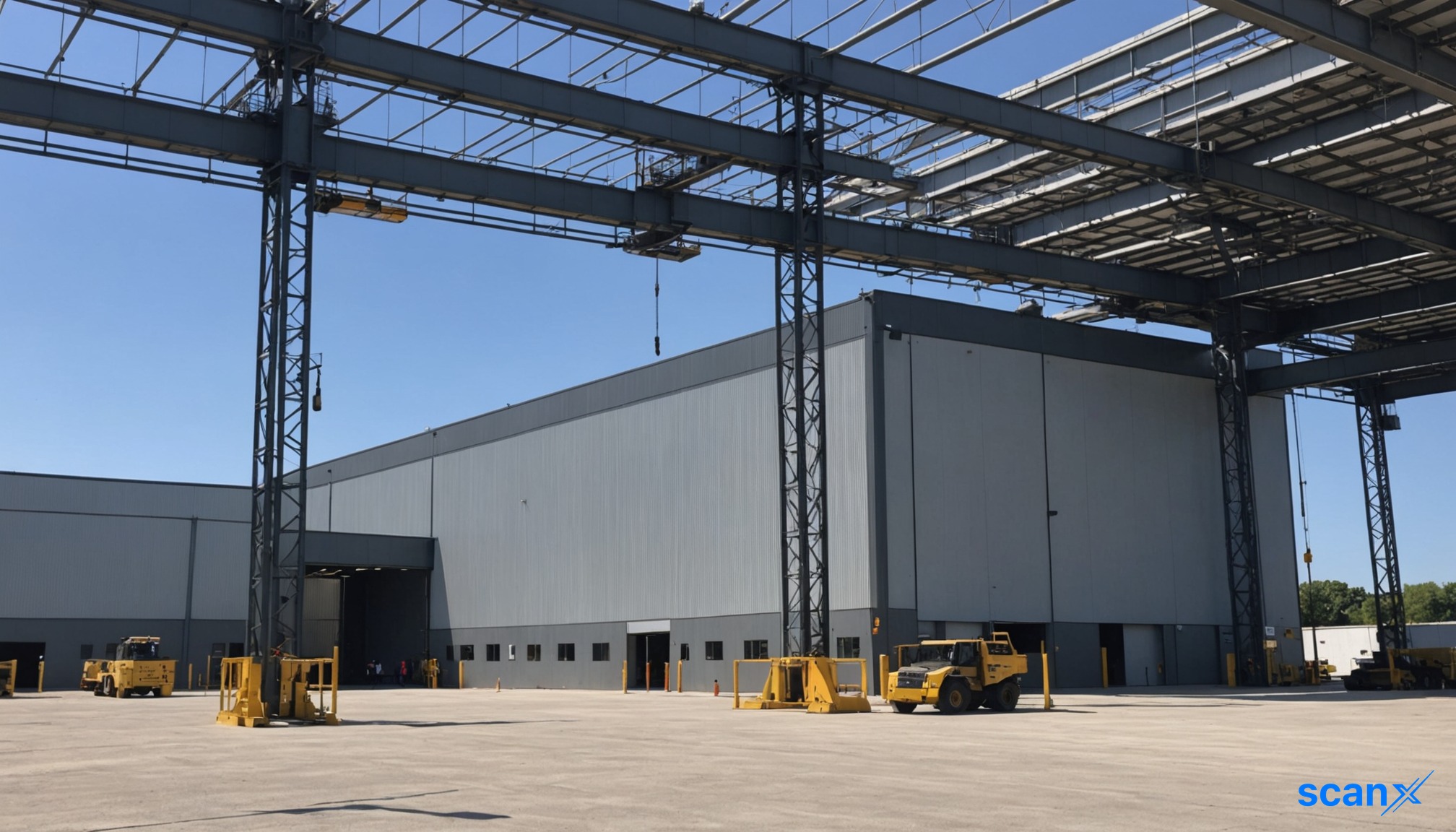

*this image is generated using AI for illustrative purposes only.
Aeroflex Neu Limited (formerly Sah Polymers Limited) has scheduled an Extra-Ordinary General Meeting (EGM) for October 22, 2026, to seek shareholder approval for entering the AI Infrastructure sector and securing up to ₹130 crore in related party loans.
The board approved these measures on September 23, 2026. The agenda includes altering the Memorandum of Association (MOA) object clause and modifying the utilisation of proceeds from a preferential issue of warrants. Remote e-voting will be available from October 19 to October 21, 2026, with October 15, 2026, fixed as the cut-off date.
Strategic Expansion and MOA Alteration
The proposed alteration to the MOA aims to accommodate new business avenues, including high-performance computing facilities, data centres, semiconductor fabrication units, and robotics. The company intends to establish an integrated platform for high-tech engineering products and services through greenfield projects and acquisitions.
Key additions to the object clause include:
- Precision industrial products such as butterfly valves, ball valves, check valves, sight glasses, wires, and cables.
- Manufacturing and trading of power equipment, electrical machinery, and renewable energy systems.
- Establishment of foundries for ferrous and non-ferrous metals.
- Operations in AI, IT, blockchain, Web3 infrastructure, and edge computing systems.
Preferential Issue Proceeds Modification
The board also resolved to alter the objects of the preferential issue of 72,00,000 warrants convertible into equity shares, approved at the 34th Annual General Meeting on August 25, 2026. The aggregate amount raised is ₹64.80 crore.
The existing object of utilising proceeds for Plug and Play Office Complexes, AI Parks, and Data Centers remains, but has been expanded to include:
- Entry into the AI Infrastructure sector.
- Establishment of an integrated platform for high-tech engineering products.
- Strategic investments in or acquisitions of companies in industrial, engineering, manufacturing, technology, and infrastructure sectors.
- Repayment of loans or financial assistance availed from the Holding Company or Group Companies.
As per the explanatory statement, out of the total ₹6,480 lakh raised, ₹795.50 lakh has been utilised so far, leaving ₹5,684.50 lakh unutilised. The specific tranche of ₹4,000 lakh earmarked for infrastructure development remains entirely unutilised and will now be deployed towards the expanded scope.
Material Related Party Transactions
Two ordinary resolutions have been proposed for material related party transactions (RPTs) with group entities until the conclusion of the next AGM in 2027. These transactions are intended for availing loans, borrowings, advances, and other financial assistance.
| Related Party | Relationship | Proposed Limit | Interest Rate | Tenure |
|---|---|---|---|---|
| Aeroflex Enterprises Limited | Holding Company | Up to ₹100 crore | 9% - 12% p.a. | Up to 3 years |
| Aeroflex Finance Private Limited | Fellow Subsidiary | Up to ₹30 crore | 9% - 12% p.a. | Up to 3 years |
Both transactions are unsecured and must be undertaken in the ordinary course of business on an arm's-length basis. The funds are intended for strategic investments, business acquisitions, and portfolio diversification.
What the Numbers Show
The combined data reveals a significant shift in capital allocation strategy. While the company raised ₹64.80 crore specifically for infrastructure and real estate projects, only 12.2% of that amount (₹795.50 lakh) has been utilised so far. The proposal to redirect the remaining ₹4,000 lakh from this tranche toward AI infrastructure and precision engineering, alongside seeking ₹130 crore in fresh debt from group entities, indicates a pivot from asset-heavy real estate development to technology-driven industrial expansion. The reliance on group funding for up to ₹130 crore suggests a dependency on internal liquidity sources to fuel this rapid diversification.
Historical Stock Returns for Aeroflex Neu
| 1 Day | 5 Days | 1 Month | 6 Months | 1 Year | 5 Years |
|---|---|---|---|---|---|
| +2.32% | -0.81% | -5.58% | -12.16% | -20.96% | -21.58% |

How will the pivot from real estate to AI infrastructure impact Sah Ltd's capital expenditure requirements and cash flow stability in the next two fiscal years?
What specific competitive advantages or existing technical capabilities does Aeroflex Neu possess to execute greenfield semiconductor and data center projects effectively?
How might the reliance on ₹130 crore in unsecured related-party debt affect the company's credit rating and future ability to raise external institutional funding?
 15
15








 Create Custom Screeners
  Access 200+ Pre-built Filters
  Use 50+ Readymade Screener





