

Advance Agrolife FY26 Results: Revenue up 27%, net profit rises 38%


- Revenue from operations rose 27% YoY to ₹6,377.8 million in FY26
- Net profit increased 38% to ₹352.8 million, with EBITDA margins expanding to 10.61%
- Debt-to-equity ratio improved sharply to 0.32 times from 0.80 times following IPO proceeds
- Inventory turnover declined to 3.33 times as stock levels surged 134% to support future capacity

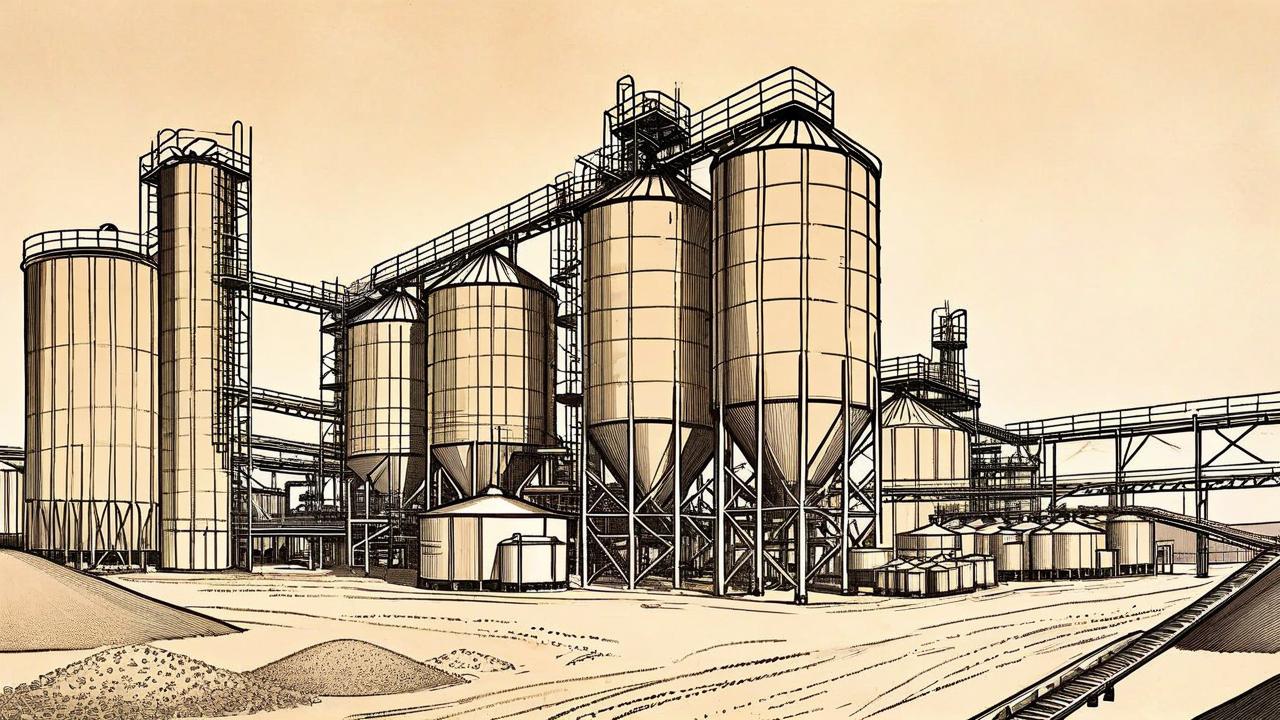

*this image is generated using AI for illustrative purposes only.
Advance Agrolife posted a 27% year-on-year increase in revenue from operations to ₹6,377.8 million for FY26, driven by higher sales volumes and expanded manufacturing capabilities. Profit after tax (PAT) rose 38% to ₹352.8 million, reflecting improved operational efficiency and margin accretion from backward integration initiatives.
The agrochemical manufacturer strengthened its financial position following its initial public offering (IPO) in October 2025, which raised ₹1,928.4 million. This capital infusion significantly reduced the debt-to-equity ratio from 0.80 times in FY25 to 0.32 times in FY26, enhancing liquidity and reducing reliance on borrowings.
Financial Performance
Revenue growth was supported by robust demand across its diversified portfolio of insecticides, fungicides, and herbicides. EBITDA grew 40% to ₹676.6 million (as per the profit and loss statement), with EBITDA margins expanding to 10.61% from 9.61% in the previous year. The company's focus on technical-grade manufacturing and cost control contributed to these gains.
| Metric | FY26 (₹ Million) | FY25 (₹ Million) | Change (%) |
|---|---|---|---|
| Revenue from Operations | 6,377.75 | 5,022.60 | +27% |
| EBITDA | 676.62 | 482.45 | +40% |
| Profit After Tax | 352.84 | 256.38 | +38% |
| EPS | ₹6.50 | ₹5.70 | +14% |
What the Numbers Show
A key analytical observation is the divergence between inventory growth and revenue realization. Inventories surged 134% to ₹2,052.2 million, significantly outpacing the 27% revenue growth. This resulted in a sharp decline in inventory turnover ratio from 5.60 times in FY25 to 3.33 times in FY26. While management attributes this to stocking raw materials to support higher production capacity and anticipated business requirements, it indicates a substantial working capital deployment that could pressure cash flows if sales momentum slows.
Strategic Developments
The company advanced its backward integration strategy by commencing production of Pretilachlor Technical and its intermediate, PEDA. This move aims to reduce import dependence and improve supply chain resilience. Additionally, Advance Agrolife initiated a 3.75 MW solar power project to reduce its carbon footprint and enhance energy efficiency.
Capacity expansion remains a priority, with Unit IV under development in Gidhani, Jaipur, targeting commissioning in Q3-2027. An MoU has also been signed for land acquisition in Dahej, Gujarat, for a proposed Unit V facility focused on technical-grade pesticides.
Corporate Actions
The Board of Directors did not recommend a dividend for FY26, opting to conserve resources for strategic growth initiatives. CARE Ratings upgraded the company's long-term bank facilities rating from BBB to BBB+ with a stable outlook, citing stronger creditworthiness post-IPO.
The 24th Annual General Meeting is scheduled for September 18, 2026, to approve auditor remuneration, related-party transactions with Hok Agrichem Private Limited, and board appointments.
Historical Stock Returns for Advance Agrolife
| 1 Day | 5 Days | 1 Month | 6 Months | 1 Year | 5 Years |
|---|---|---|---|---|---|
| +2.88% | -0.19% | +2.35% | +16.01% | +10.96% | +7.60% |

How will the 134% surge in inventory impact Advance Agrolife's cash flow and working capital efficiency if agricultural demand slows in the upcoming season?
What is the expected timeline for the new Unit IV facility in Jaipur to contribute to revenue, and how will it affect the company's cost structure upon commissioning in Q3-2027?
To what extent will the backward integration into Pretilachlor Technical and PEDA production reduce raw material import costs and improve gross margins in FY27?
 18
18









 Create Custom Screeners
  Access 200+ Pre-built Filters
  Use 50+ Readymade Screener





