

Acutaas Chemicals inaugurates semiconductor materials plant in South Korea


- Acutaas Chemicals inaugurated a semiconductor materials plant in Gongju, South Korea, on August 28, 2026
- The facility was built in 11 months and spans 16,513.7 square metres across three buildings
- Indichem Inc., a JV with J & Materials Co. Ltd, sees Acutaas holding a 75% stake
- Acutaas invested KRW 30 billion (₹200 crore) in the venture
- The model synthesises chemicals in India and refines them to semiconductor grade in Korea

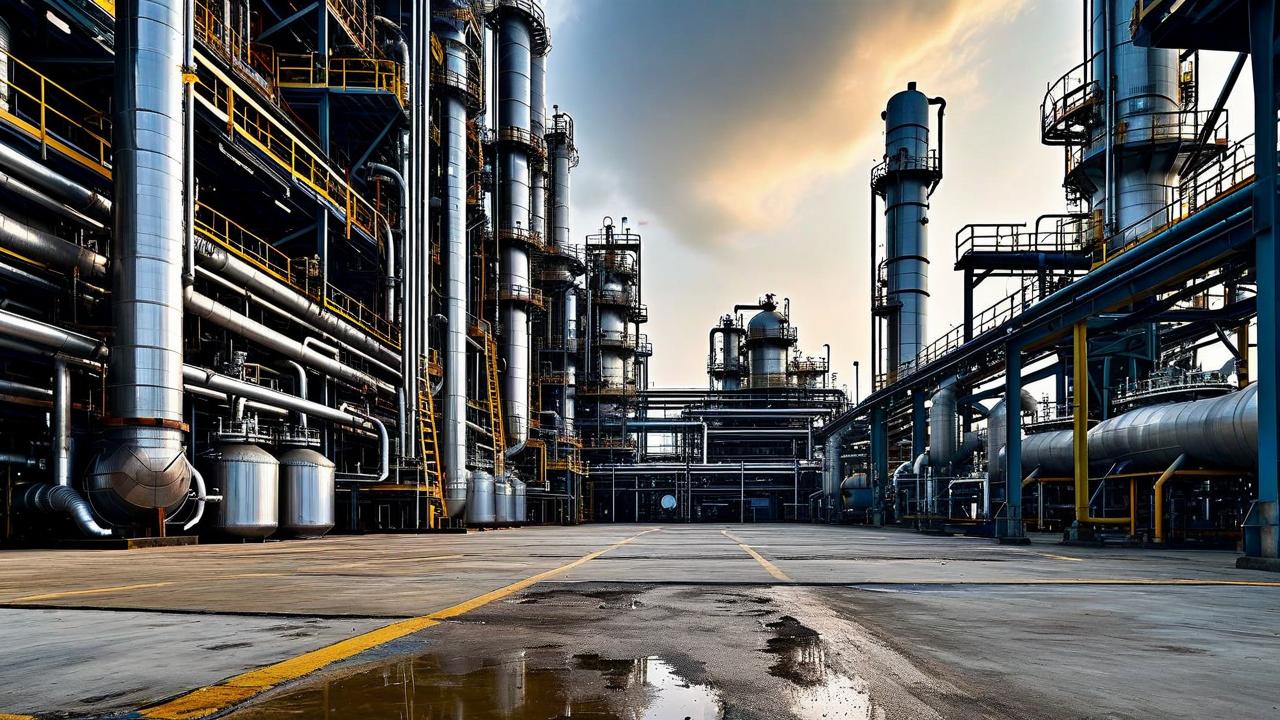

*this image is generated using AI for illustrative purposes only.
Acutaas Chemicals has inaugurated a semiconductor materials manufacturing plant in Gongju, South Korea, through its step-down subsidiary Indichem Inc. The facility was commissioned on August 28, 2026, marking the operational start of the company’s expansion into high-purity chemical supplies for the semiconductor industry.
The plant was completed within 11 months of its groundbreaking on September 29, 2025. It spans 16,513.7 square metres across three buildings: a main production block, a combined headquarters, research and development centre and pilot plant, and a warehouse. Additional land is available on-site for future expansion.
Joint Venture Structure
Indichem Inc. is a joint venture between Acutaas Advance Material Limited (AAML), a wholly owned subsidiary of Acutaas Chemicals, and J & Materials Co. Ltd of South Korea. AAML holds a 75% stake in the venture, while J & Materials holds the remaining 25%. Acutaas has invested KRW 30 billion (approximately ₹200 crore) in Indichem.
| Entity | Stake | Investment |
|---|---|---|
| Acutaas Advance Material Limited | 75% | KRW 30 billion (₹200 crore) |
| J & Materials Co. Ltd | 25% | Not disclosed |
Operational Model
The venture operates on a synergistic two-country model. Chemicals are synthesised in India and then refined, tested and qualified to semiconductor grade in South Korea. This approach places the final production stage close to the customer base in the Republic of Korea, aiming to create operational and technological synergies. The materials produced require parts-per-billion purity levels, necessitating rigorous quality control and technical expertise.
Naresh Patel, Chairman and Managing Director of Acutaas Chemicals, stated that the rapid commissioning reflects the discipline of both partners. He noted that combining India’s strength in complex chemical synthesis with Korea’s expertise in ultra-high-purity refining creates a model neither company could have executed alone.
Jay Han, Chief Executive Officer of Indichem Inc., described the facility as a starting point for creating one of the leading semiconductor materials companies in the Republic of Korea. He emphasised that the strategy involves bringing Indian synthesis capabilities to Korea rather than asking customers to source from India.
What the Numbers Show
The investment structure highlights a significant capital commitment by Acutaas to secure majority control in the joint venture. With a ₹200 crore investment for a 75% stake, the total implied valuation of Indichem Inc. stands at approximately ₹266 crore. This capital allocation underscores the strategic priority placed on the semiconductor materials segment, which requires high initial capex for ultra-high-purity infrastructure before revenue generation begins.
Historical Stock Returns for Acutaas Chemicals
| 1 Day | 5 Days | 1 Month | 6 Months | 1 Year | 5 Years |
|---|---|---|---|---|---|
| -0.51% | +0.12% | -6.60% | +32.04% | +110.92% | +377.38% |

How will the 'India-synthesize, Korea-refine' operational model impact Acutaas Chemicals' gross margins compared to fully integrated domestic competitors?
What is the projected timeline for Indichem Inc. to achieve commercial scale production and break even, given the high initial capex for ultra-high-purity infrastructure?
Which specific semiconductor manufacturers in South Korea are expected to be the initial anchor customers for Indichem's high-purity chemical supplies?
 18
18







 Create Custom Screeners
  Access 200+ Pre-built Filters
  Use 50+ Readymade Screener





