

Glenfarne welcomes $50 billion-plus South Korea investment in Alaska LNG


- Glenfarne Group welcomed Trump's announcement of a $50 billion-plus South Korean investment in Alaska LNG
- The investment is described as a major financing milestone, advancing the project toward final investment decision and construction
- Commercial agreements now represent 13 million tonnes per annum of the 16 million tonnes per annum Glenfarne is targeting for FID
- Alaska LNG comprises an 807-mile pipeline, a North Slope gas treatment plant, and a 20 MTPA LNG terminal in Nikiski, Alaska
- Glenfarne owns 75% of Alaska LNG; the State of Alaska holds the remaining 25% through the Alaska Gasline Development Corporation

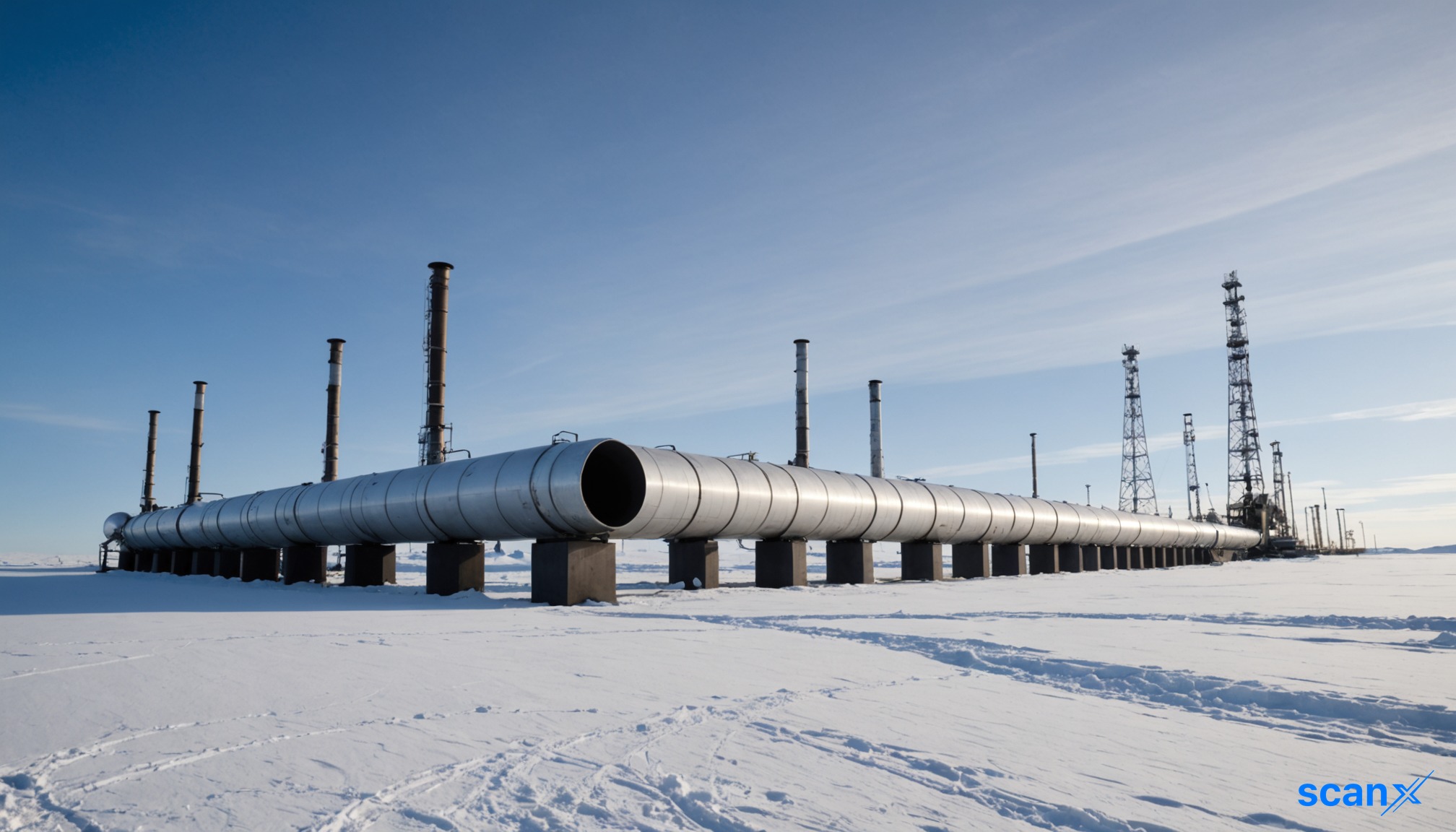

*this image is generated using AI for illustrative purposes only.
Glenfarne Group, LLC welcomed President Donald J. Trump's announcement of a $50 billion-plus South Korean investment in Alaska LNG, marking a major financing milestone that advances the project toward a final investment decision (FID) and construction.
Glenfarne CEO and Founder Brendan Duval joined Trump in the Oval Office for the announcement. The investment provides the foundation to advance Alaska LNG toward FID, with Glenfarne set to work with the U.S. and Korean governments to finalize the investment structure and complete the remaining steps required to reach that decision.
Commercial progress and project scale
The announcement builds on 18 months of work by Glenfarne to advance Alaska LNG. Since becoming lead developer in March 2025, Glenfarne has secured agreements spanning LNG sales, North Slope gas supply, domestic Alaska gas supply, labor, engineering, pipeline construction, equipment and materials, and strategic investment and partnerships. The following table summarizes the project's key commercial and infrastructure parameters:
| Parameter | Details |
|---|---|
| South Korean investment | $50 billion-plus |
| Commercial agreements secured | 13 million tonnes per annum |
| FID target capacity | 16 million tonnes per annum |
| Pipeline length | 807 miles, 42-inch diameter |
| LNG terminal capacity | 20 MTPA, located in Nikiski, Alaska |
| Glenfarne ownership stake | 75% |
| State of Alaska ownership stake | 25% (via Alaska Gasline Development Corporation) |
The Alaska LNG project consists of an 807-mile, 42-inch pipeline to deliver natural gas from Alaska's North Slope, a North Slope gas treatment plant, and a 20 MTPA LNG terminal in Nikiski, Alaska. The State of Alaska, through the Alaska Gasline Development Corporation, holds a 25% stake in the project.
Leadership statements
"We came to Alaska to build this project, and every decision we make starts with what will move us closer to delivering affordable, reliable gas and long-term economic benefits for Alaskans," said Duval. "Today's announcement brings together the capital needed to accelerate Alaska LNG to a final investment decision and construction. We are ready to deliver on the opportunity Alaska LNG represents for Alaska and the United States."
Adam Prestidge, President of Glenfarne Alaska LNG, added: "Glenfarne has spent the past 18 months building the commercial, engineering, workforce and construction foundation for this project. This investment gives us the scale of capital needed, and we will keep working to make sure Alaska captures the jobs, economic opportunity and long-term value this project can create."
About Glenfarne Group
Glenfarne Group is a privately held global developer, owner, and operator of energy infrastructure assets. Through its subsidiaries, Glenfarne owns and operates 60 energy assets across three core businesses: Global LNG Solutions, Grid Stability, and Renewables. Glenfarne's permitted North American LNG portfolio totals 34 MTPA of capacity under development in Alaska, Louisiana, and Texas.

How will the finalization of the investment structure with the U.S. and Korean governments impact the timeline for reaching a Final Investment Decision (FID)?
What are the potential regulatory or environmental hurdles that could delay the construction of the 807-mile pipeline given the scale of this commitment?
How might this $50 billion-plus South Korean investment influence the competitive landscape for other North American LNG projects in Louisiana and Texas?
 17
17




 Access 50+ Readymade Screeners
  Use 200+ Custom Filters
  Get Full Market Insights





