

Trump extends Jones Act waiver for 90 days to ease Hormuz fuel supply risks


President Trump extends the Jones Act waiver for 90 days to mitigate fuel supply risks from Strait of Hormuz disruptions. The policy allows foreign ships to transport goods between U.S. ports, with 210 voyages already completed since March. Brent crude rose 1.31% to $88.87 as markets assess the impact on inflation and energy security.


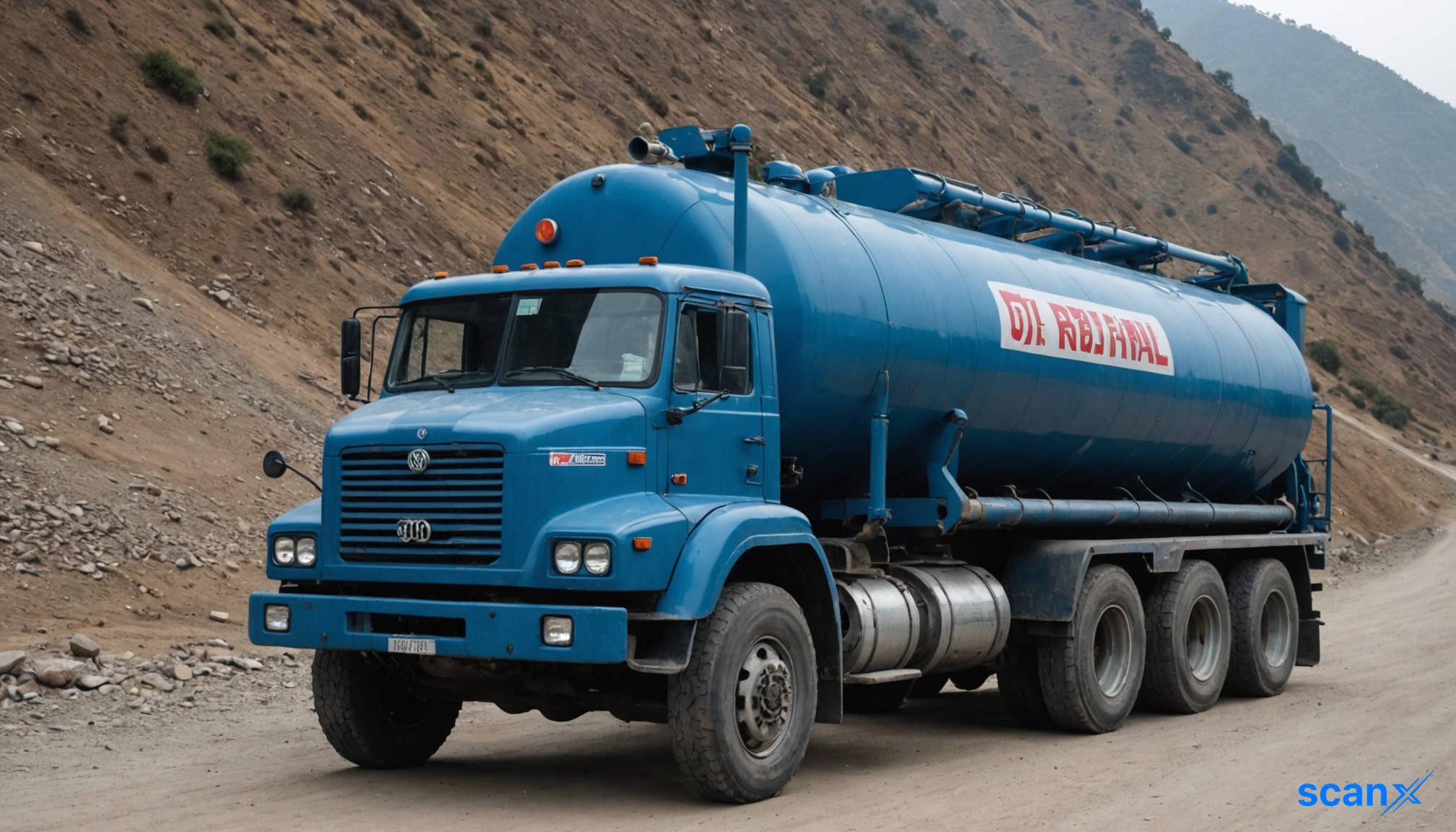
*this image is generated using AI for illustrative purposes only.
President Donald Trump has extended a waiver permitting foreign-flagged ships to transport commodities between U.S. ports for 90 days, a move designed to stabilize domestic energy supplies amid geopolitical tensions in the Strait of Hormuz. The extension, effective until mid-November, addresses concerns over potential shortages in gasoline, diesel, and jet fuel while navigating political pressure from domestic shipbuilders. This policy adjustment is critical for maintaining supply chain integrity during the ongoing Iran conflict, directly impacting fuel availability and pricing dynamics for U.S. consumers and industries.
The White House narrowed the scope of the relief compared to previous iterations, requiring case-by-case approval from the Pentagon and the Maritime Administration rather than granting a blanket exemption. White House Deputy Press Secretary Taylor Rogers stated that the waiver has already driven a significant increase in domestic deliveries of essential products. The 1920 Jones Act generally mandates that vessels transporting goods between U.S. ports be U.S.-built, U.S.-flagged, and staffed by U.S. crews, making such waivers pivotal during supply shocks.
Market reaction reflected cautious optimism regarding the supply assurance, with Brent crude oil futures trading 1.31% higher at $88.87 per barrel. WTI crude futures also gained 0.84%, closing at $82.82 per barrel. These price movements underscore the market’s sensitivity to any policy shifts that might alleviate or exacerbate supply constraints linked to the effective closure of the Strait of Hormuz.
Historical Context and Volume Data
Since the initial 60-day waiver was issued in March to counter soaring fuel and fertilizer prices during the Iran War, the Maritime Administration reports that 210 otherwise-prohibited voyages have been completed. According to analysis by the Cato Institute, these voyages transported nearly 55 million barrels of cargo, primarily consisting of gasoline and crude oil. The latest extension follows a previous renewal in May, positioning the current waiver to run through the post-midterm election period.
| Metric | Value |
|---|---|
| Waiver Duration | 90 days |
| Expiry Date | Mid-November |
| Voyages Completed | 210 |
| Cargo Transported | ~55 million barrels |
| Brent Crude Price | $88.87/bbl |
| WTI Crude Price | $82.82/bbl |
Expert Perspectives on Supply Relief
GasBuddy Analyst Patrick De Haan noted that the waiver enables more domestic crude oil and refined products to move between U.S. ports, helping to "soften the blow" of the Strait of Hormuz disruption. However, opinions remain divided on the long-term efficacy of the measure. Louis Navellier, founder and chief investment officer of Navellier & Associates, previously warned that such waivers are merely a "Band-Aid" that cannot solve underlying shortages, particularly regarding fertilizers which could push food prices higher if farmers cannot delay application.
Geopolitical Implications
The waiver extension occurs against a backdrop of stalled talks to reopen the Strait of Hormuz and U.S. petroleum reserves hovering near decades-low levels. Former U.S. National Security Adviser John Bolton urged against easing pressure on Iran, arguing that the U.S. should leverage existing damage rather than grant Tehran greater influence over the strait. Bolton criticized efforts to find an "off-ramp," suggesting the administration risks leaving Iran in a stronger political position without clearly defined goals.

How might the shift to case-by-case Pentagon approvals impact the speed and volume of fuel deliveries compared to the previous blanket exemptions?
What are the potential downstream effects on U.S. agricultural costs if fertilizer shortages persist despite the extension of the Jones Act waiver?
Could the expiration of this waiver in mid-November coincide with increased geopolitical volatility, and what contingency plans exist if the Strait of Hormuz remains closed?
 18
18






 Access 50+ Readymade Screeners
  Use 200+ Custom Filters
  Get Full Market Insights





