

Silver Surges Over 200% in Past Year, Reaching $94 Per Ounce Amid Industrial Demand Boom


Silver has surged over 200% in the past year to $94 per ounce, significantly outperforming gold's 74% gain, driven by strong industrial demand that now represents 60% of consumption. Supply constraints persist with demand exceeding supply since 2018, including an 18% deficit last year. However, technical indicators show extreme overbought conditions with silver trading at double its 200-day moving average, prompting analyst warnings about potential corrections despite strong fundamentals.

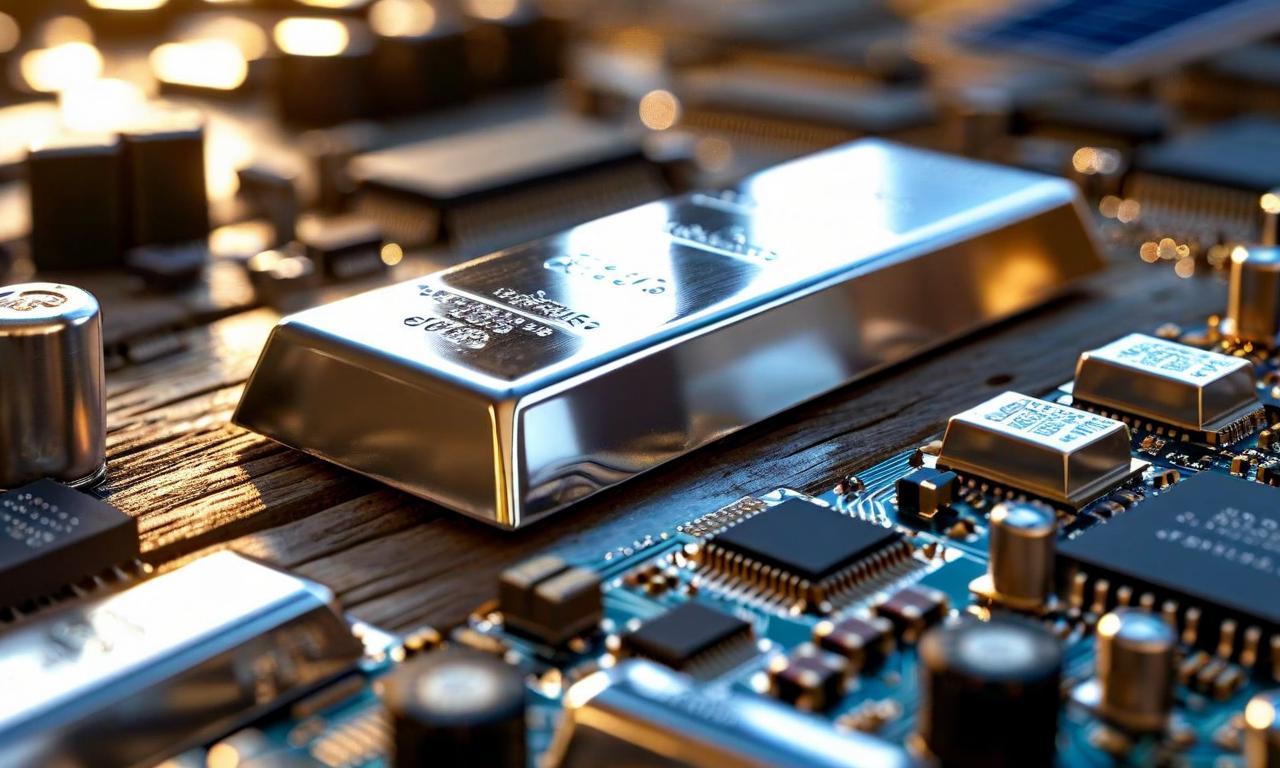

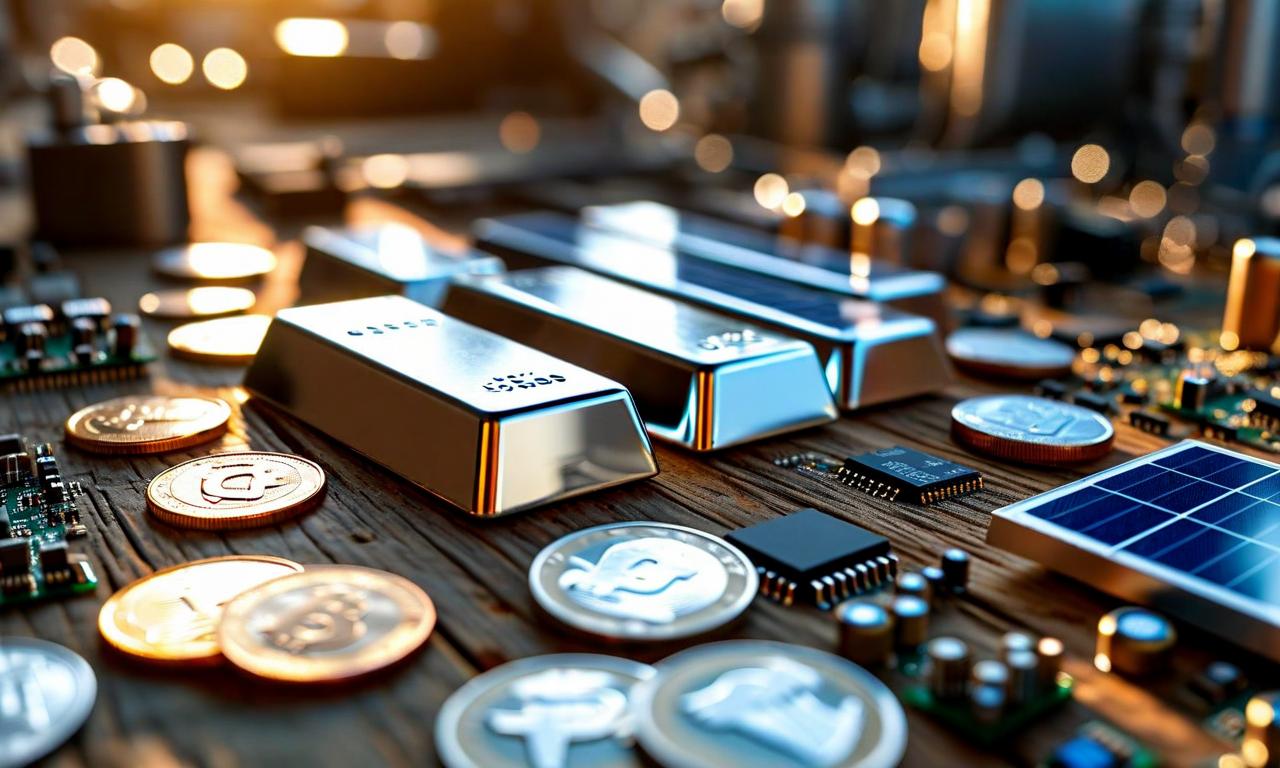
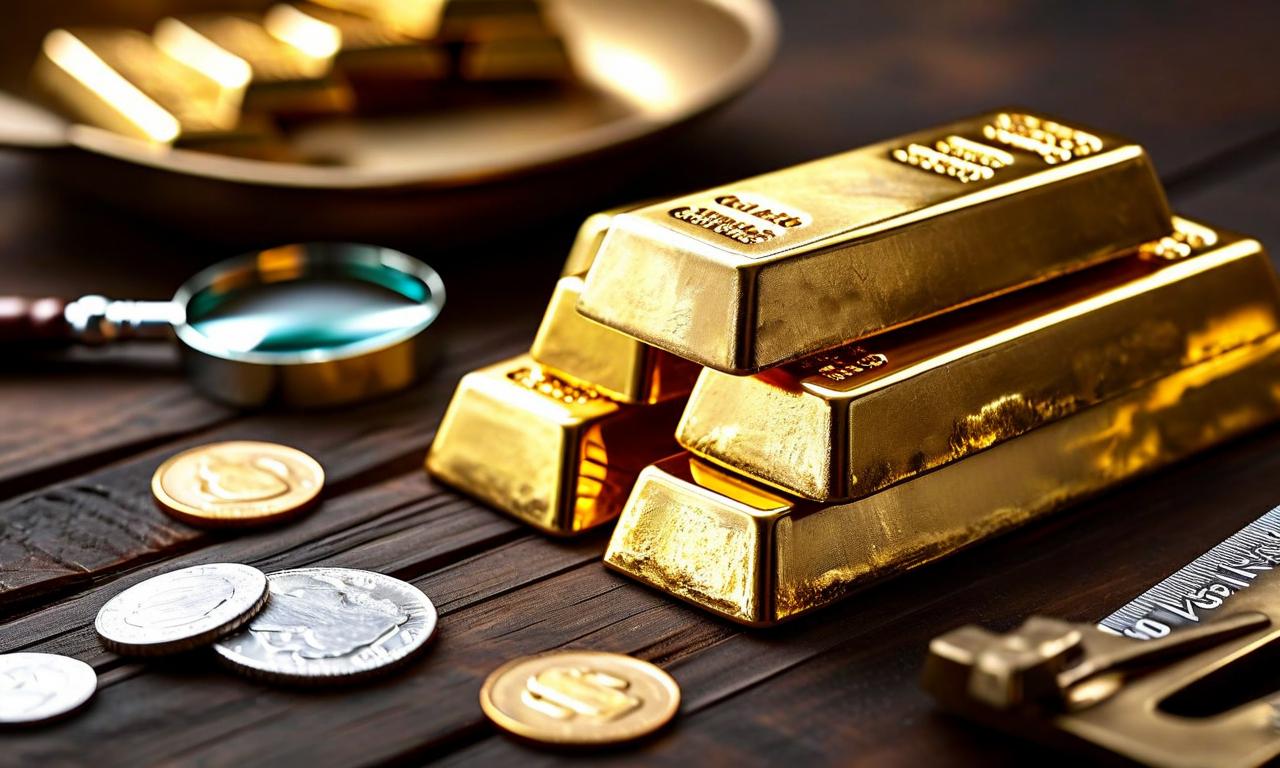
*this image is generated using AI for illustrative purposes only.
Silver has delivered one of the most spectacular commodity rallies in recent memory, surging more than 200% over the past year to reach approximately $94 per ounce. This dramatic performance has not only outpaced nearly every other commodity but has also significantly exceeded gold's respectable 74% gain during the same period, highlighting silver's unique position in the precious metals market.
Industrial Demand Drives Silver's Transformation
Unlike gold, silver benefits from substantial industrial applications that have fundamentally altered its demand profile. The metal's excellent electrical conductivity makes it essential for electronics manufacturing, including circuit boards, switches, and solar panels. Industrial demand has grown from just under half of total silver consumption a decade ago to 60% today, according to London-based consulting firm Metals Focus.
| Demand Sector | Previous Share | Current Share |
|---|---|---|
| Industrial Uses | <50% | 60% |
| Investment/Jewelry | >50% | 40% |
The industrial demand continues expanding through emerging applications in electric vehicles and data centers supporting artificial intelligence infrastructure. This diversification provides silver with fundamental support beyond its traditional role as a safe-haven asset.
Supply Constraints Support Price Rally
Silver faces unique supply dynamics that contribute to price volatility. Approximately three-fourths of new silver production comes as a byproduct of mining other metals such as lead, zinc, and copper, rather than direct mining operations. This structure means rising silver prices don't immediately translate into increased supply.
The supply-demand imbalance has persisted since 2018, with silver demand consistently outstripping supply. The deficit reached 18% last year, and Metals Focus managing director Philip Newman anticipates another shortfall in 2026.
Technical Indicators Flash Warning Signals
Despite strong fundamentals, technical analysis reveals concerning overbought conditions. Silver currently trades at more than double its 200-day moving average of $46, prompting warnings from market analysts about potential corrections.
| Technical Metric | Current Level | Historical Context |
|---|---|---|
| Price vs 200-day MA | 204% | Extreme overbought |
| Silver-to-Gold Ratio | 51 | Lowest in decade |
| 50-year Average Ratio | 65 | Historical norm |
The silver-to-gold ratio has compressed dramatically from 100 ounces of silver per ounce of gold in May to the current 51 ratio, marking the lowest level in more than a decade.
Market Structure and Volatility Concerns
Silver's smaller market size compared to gold creates inherent volatility. While gold trades globally at $33 trillion, silver's trading volume reaches $5.3 trillion, making it more susceptible to significant price swings. Historically, silver maintains a beta of 1.4 relative to gold, meaning it typically moves 40% more than gold in either direction.
Exchange-traded fund flows have supported the rally, with silver holdings in ETFs increasing to 1.33 billion ounces in 2025 from 1.04 billion ounces in 2024. The $50 billion iShares Silver Trust represents a major vehicle for U.S. investor exposure to the metal.
Analyst Perspectives on Fair Value
Market experts suggest various fair value estimates for silver. Based on the long-term silver-to-gold ratio average of 65, silver's fair value would be approximately $74 per ounce at current gold prices of $4,840. This level would still represent more than 100% gains from the year-ago price of $31.50.
WisdomTree Europe's head of commodities research Nitesh Shah recommends waiting for silver to retreat to the $70-$75 range before considering purchases, setting a year-end price target of $88 based on gold prices, industrial demand, and other factors. Few analysts expect silver to fall below $20, where it traded in November 2022.
 17
17






 Create Custom Screeners
  Access 200+ Pre-built Filters
  Use 50+ Readymade Screener





