

Silver Prices Triple in One Year: Four Key Factors Behind the Rally to $90 Per Ounce


Silver prices have tripled over the past year, crossing $90 per ounce globally due to four key factors: central bank interest rate cuts reducing the opportunity cost of holding precious metals, ongoing geopolitical tensions creating safe-haven demand, increasing industrial demand from renewable energy and technology sectors transforming silver into a 'Green Metal', and momentum-driven speculation. While these factors support continued strength, the same drivers could reverse and trigger corrections, making silver suitable as a portfolio component but requiring realistic long-term expectations rather than speculative short-term trading.

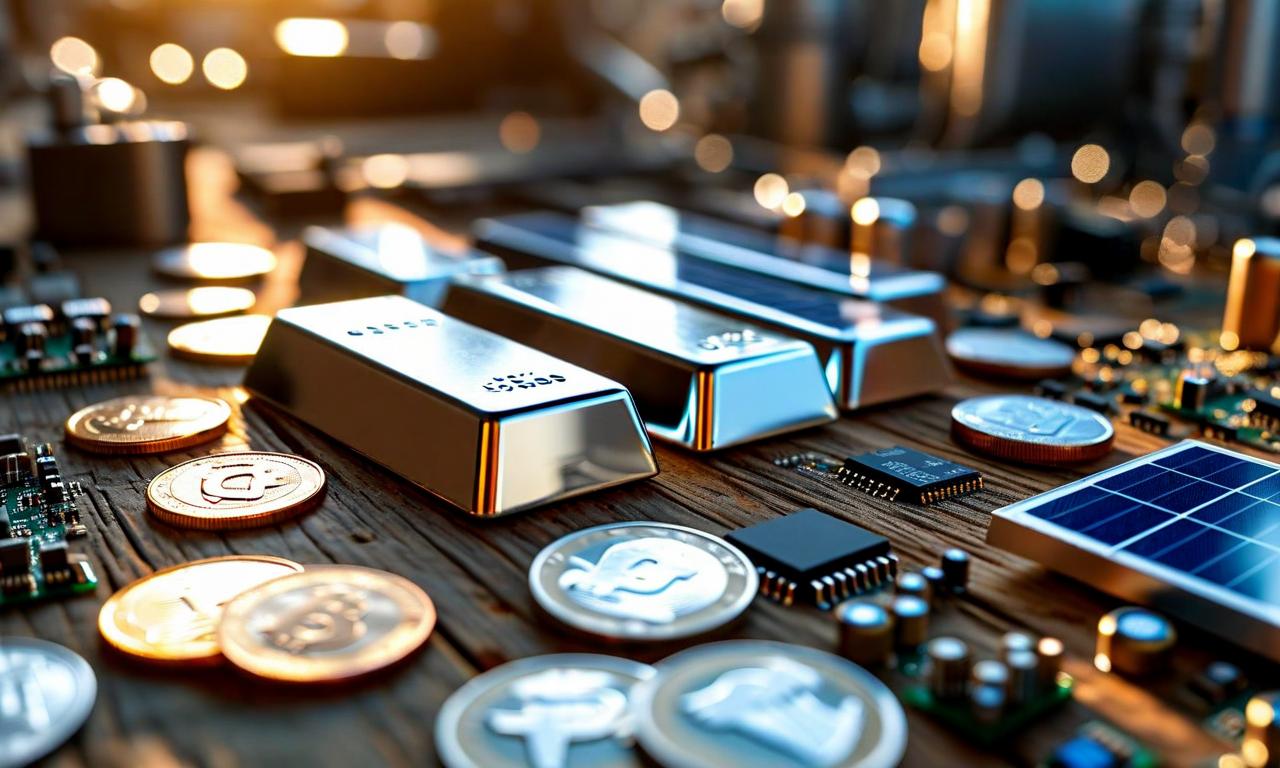

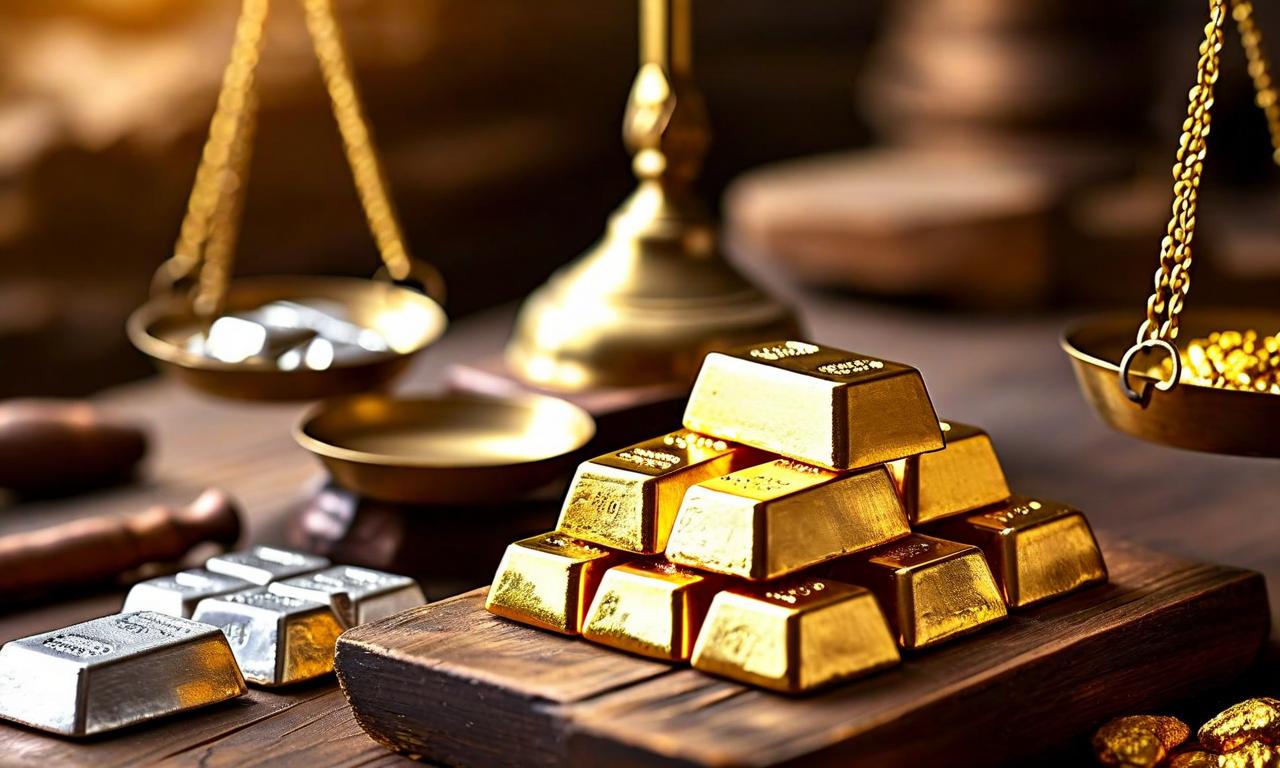
*this image is generated using AI for illustrative purposes only.
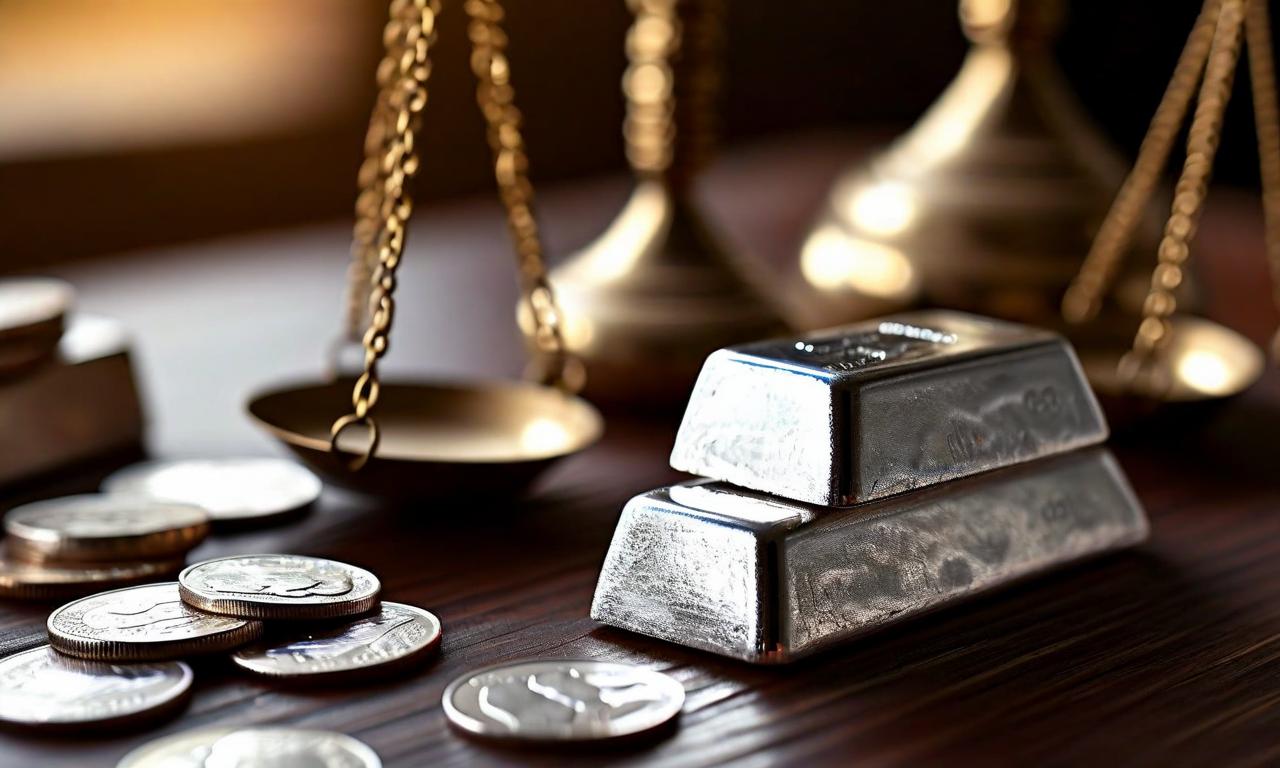
Silver prices have delivered spectacular returns over the past year, with the precious metal tripling in value and crossing the $90 per ounce mark in global markets. This parabolic rise has defied repeated predictions of corrections, with bears proven wrong at multiple price levels including $50, $60, $70, and $80 per ounce. Indian markets have witnessed similar dramatic gains, positioning silver as one of the standout performers in the commodities space.
The remarkable price action reflects a convergence of multiple factors that have fundamentally altered silver's investment landscape. Market expectations suggest continued upward momentum, though the sustainability of such gains warrants careful examination of the underlying drivers.
Interest Rate Environment Supports Precious Metals
Global central banks have embarked on an interest rate cutting cycle, with most monetary authorities reducing rates to support economic growth as inflation pressures ease. This policy shift aims to maintain employment levels and prevent growth slowdowns, creating an environment where money becomes cheaper and more accessible.
The following table illustrates the impact on precious metals:
| Factor: | Impact on Silver |
|---|---|
| Falling Interest Rates: | Reduces opportunity cost of holding non-yielding assets |
| Lower Bond Yields: | Shifts demand from fixed-income to precious metals |
| Cheaper Money: | Increases liquidity for commodity investments |
| Growth Support: | Maintains industrial demand fundamentals |
Precious metals like silver, which generate no income, become more attractive when the benefits of holding cash or bonds diminish. This demand shift from fixed-income assets to precious metals creates sustained buying pressure.
Geopolitical Tensions Drive Safe-Haven Demand
Modern conflicts have become prolonged and embedded within the global economy, prompting investors to hedge against uncertainty. The current geopolitical landscape reflects a unique situation where markets price in fragility rather than outright disaster, making silver particularly attractive as a hedge.
Investors are responding to:
- Unresolved international conflicts
- Economic fragility concerns
- Supply chain vulnerabilities
- Currency debasement risks
This environment creates sustained demand for tangible assets that maintain value during periods of uncertainty.
Industrial Demand Transforms Silver's Identity
Silver has evolved from merely being a cheaper alternative to gold into a critical 'Green Metal' essential for the renewable energy and clean technology revolution. The global transition toward digitization, electrification, and sustainable energy has elevated silver's industrial relevance significantly.
Key industrial applications include:
| Application: | Silver Usage |
|---|---|
| Solar Panels: | Approximately 20 grams per panel |
| EV Batteries: | Critical component in battery systems |
| Electronics: | Superior conductivity for connectors |
| 5G Infrastructure: | Essential for high-tech components |
| Semiconductors: | Key material for advanced chips |
This industrial demand provides fundamental support for silver prices, distinguishing it from purely speculative precious metals investments.
Speculation Amplifies Price Movements
Momentum trading and speculation have amplified silver's price movements, with traders buying simply because prices are rising. Silver's reputation for spectacular short-term gains and losses attracts significant speculative interest, creating self-reinforcing price cycles.
However, this speculative component also introduces volatility risks, as momentum can reverse quickly when market sentiment shifts.
Potential Downside Risks
The same factors driving silver's rise could reverse and trigger price corrections. Potential catalysts for decline include:
- Moderation in interest rate cut expectations
- Easing of geopolitical tensions
- Reduced speculative interest
- Profit-taking by leveraged traders
While industrial demand may remain strong, speculative factors have been the primary driver of recent gains and represent the most volatile component.
Investment Considerations
Silver can serve as a valuable portfolio component within a broader precious metals allocation, but investors should maintain realistic expectations. The metal's tripling in value over one year does not automatically guarantee continued performance, and speculative price movements can reverse rapidly.
Long-term investors should focus on silver's fundamental drivers rather than short-term price momentum, maintaining time horizons well beyond immediate market cycles while avoiding speculative trading strategies.
 19
19




 Access 50+ Readymade Screeners
  Use 200+ Custom Filters
  Get Full Market Insights





