

Silver Outpaces Gold with 22% CAGR as Consumer Preferences Shift Toward Everyday Jewellery


Silver has outperformed gold with a 22% CAGR over five years compared to gold's 18%, driven by Gen Z and millennial preferences for everyday jewellery. Recent performance shows 59% year-on-year gains and over 200% two-year growth, though volatility risks remain. Retailers should treat silver as portfolio expansion with disciplined operational approaches.

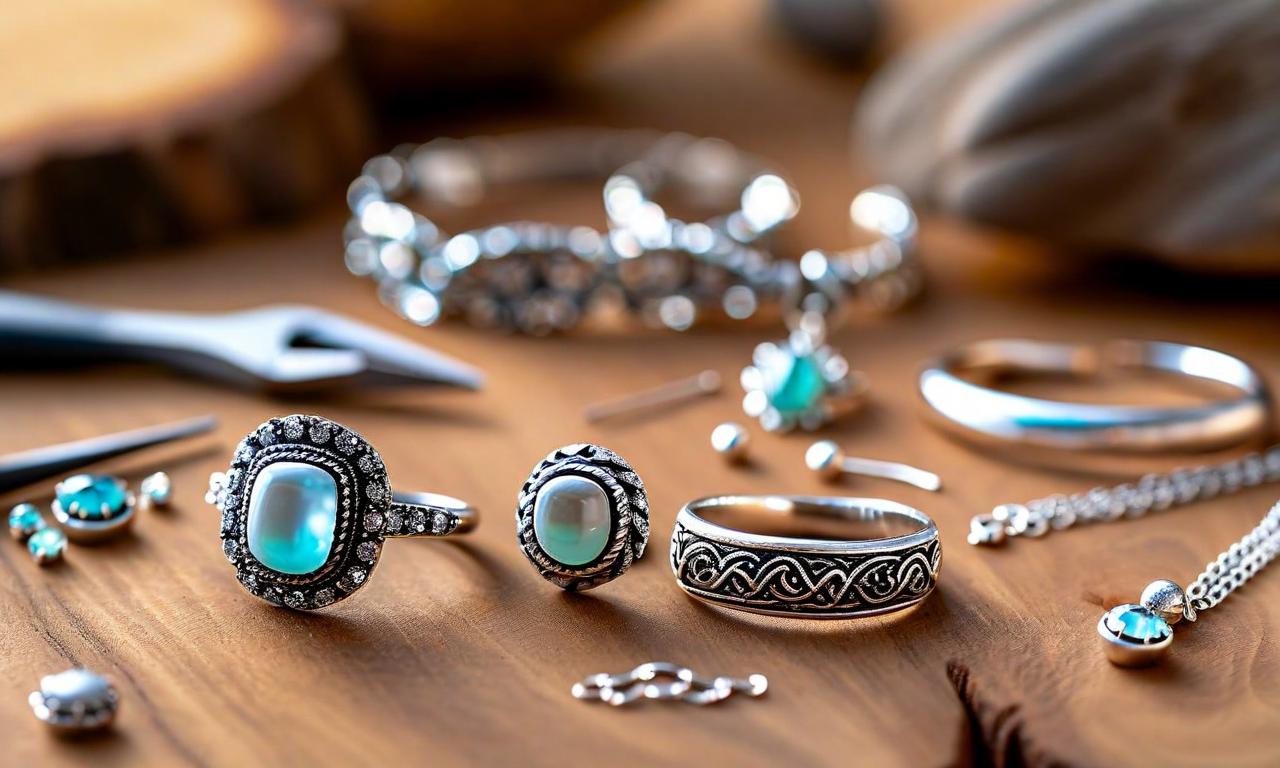

*this image is generated using AI for illustrative purposes only.
Silver has emerged as the fastest-growing precious metal in consumer portfolios, outpacing gold's performance over the past five years. According to Deloitte's jewellery industry report, silver prices have achieved a compound annual growth rate of approximately 22%, significantly higher than gold's roughly 18% CAGR during the same period. This growth reflects not just price appreciation but a fundamental shift in consumer behavior and preferences, particularly among younger demographics.
Consumer Behavior Driving Silver's Rise
The surge in silver's popularity extends beyond mere price performance, rooted in changing consumer attitudes toward jewellery purchasing and wearing patterns. Deloitte's analysis reveals that silver is increasingly being adopted as an 'everyday metal,' contrasting with gold's traditional role as India's cultural and financial anchor.
| Consumer Segment | Silver Investment Preference | Key Drivers |
|---|---|---|
| Gen Z & Millennials | 45% prefer silver jewellery | Contemporary design, lower ticket sizes |
| Purchase Occasions | Daily wear, gifting, self-purchase | Repeat purchase flexibility |
| Gold Comparison | Wedding and long-term investment focus | Traditional cultural significance |
This demographic shift represents a move toward building broader, more flexible jewellery wardrobes rather than focusing solely on high-value, occasion-specific purchases.
Recent Market Performance and Volatility
Silver's recent market performance underscores both its growth potential and inherent volatility. The metal has demonstrated significant short-term gains across multiple timeframes:
| Time Period | Price Change | Performance Driver |
|---|---|---|
| One Week | +8.80% | Strong momentum |
| One Month | +33.00% | Industrial demand |
| Year-on-Year | +59.00% | Supply deficits |
| Two Years | +200.00% | Multi-factor growth |
The 2025 rally saw spot silver surge past $80.00 an ounce, driven by robust industrial demand and a fifth consecutive year of supply deficits. Clean-energy applications and electronics have contributed additional demand momentum, reinforcing silver's dual role as both adornment and industrial metal.
Market Risks and Challenges
Despite strong performance, silver's volatility presents significant challenges for market participants. December 2025 witnessed sharp pullbacks after the CME raised futures margin requirements, squeezing speculative long positions. Looking ahead, Citi Research has identified potential headwinds from commodity index rebalancing scheduled between January 8-14.
| Risk Factor | Impact Details |
|---|---|
| CME Margin Requirements | Speculative position squeeze |
| Index Rebalancing | $6.80-6.90 billion potential outflows |
| Bloomberg Commodity Index Weight | Reduction from 9.60% to 3.90% |
Strategic Implications for Retailers
For jewellery retailers, Deloitte's report emphasizes treating silver's rise as portfolio expansion rather than gold replacement. The research suggests silver works most effectively as an entry point for new customers and a frequency driver through seasonal collections and design-led offerings.
Successful implementation requires clear trade-up pathways into higher-value categories such as studded jewellery or gold products. Organized retailers must balance design-led innovation with operational discipline, implementing tight assortment planning, lifecycle management, and pricing guardrails to avoid margin dilution during volatile market phases.
The data indicates that silver's growth trajectory represents a durable opportunity for retailers to deepen customer relationships beyond traditional wedding-focused sales, provided they maintain disciplined operational approaches while capitalizing on changing consumer preferences.
 15
15










 Access 50+ Readymade Screeners
  Use 200+ Custom Filters
  Get Full Market Insights





