
 NewsONGC, Oil India and other oil-linked stocks in focus as crude slides after Iran tensions ease
ONGC, Oil India and other oil-linked stocks in focus as crude slides after Iran tensions ease


Oil-linked stocks including ONGC, Oil India, Reliance Industries, and major refiners are in focus after crude prices dropped 4% on easing Iran tensions. Brent crude fell $2.76 to $63.76 per barrel while U.S. WTI declined $2.83 to $59.19 per barrel, ending a five-day geopolitical rally. The price movement benefits refiners through improved margins while upstream companies typically track oil prices closely.


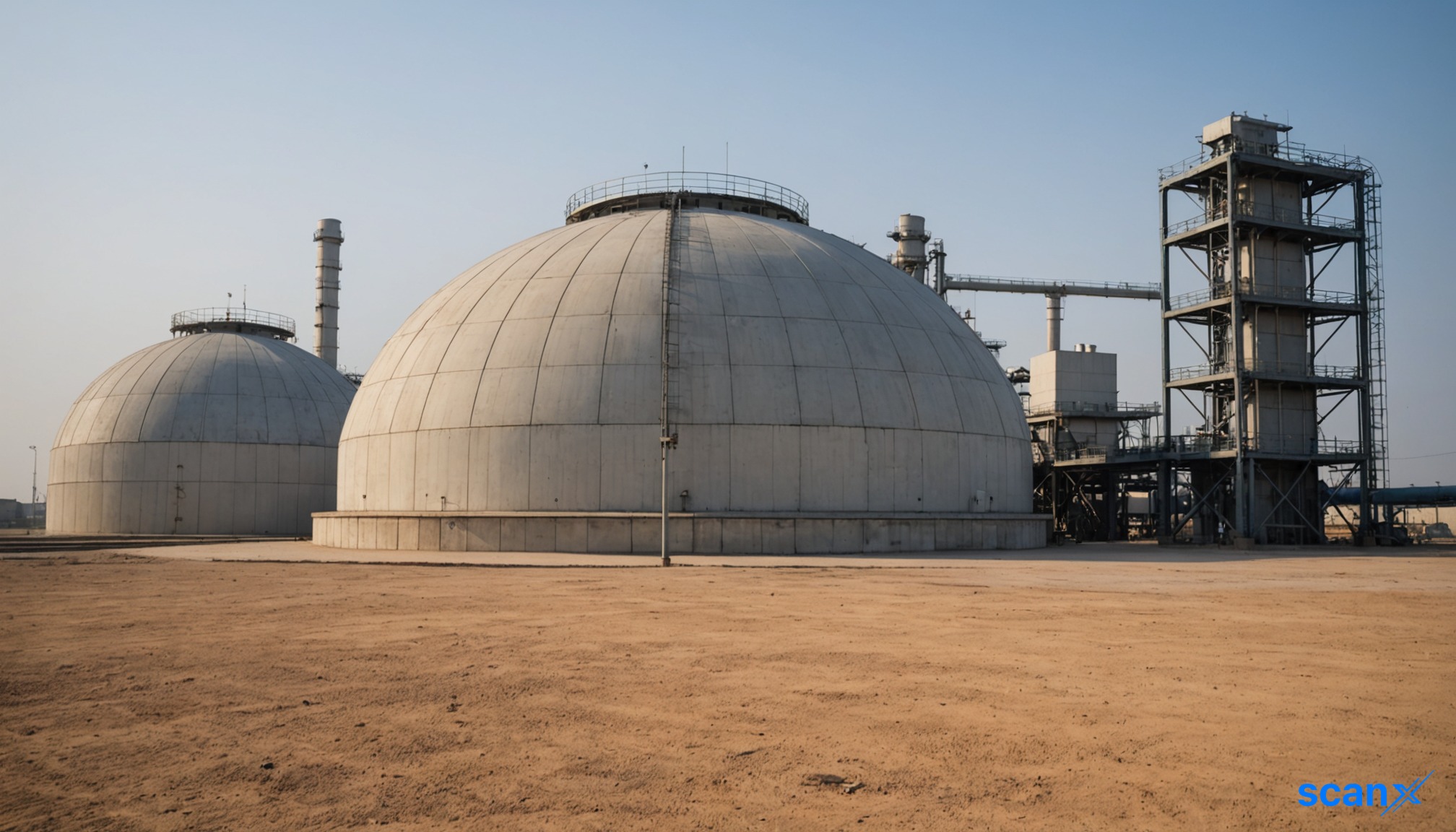
*this image is generated using AI for illustrative purposes only.
Oil-linked stocks including ONGC, Oil India, Reliance Industries, Indian Oil Corporation, BPCL and HPCL are set to dominate investor attention on Friday following global crude prices' sharpest single-day fall in weeks. The roughly 4% drop in oil on Thursday snapped a five-day rally driven by geopolitical fears, reshaping the near-term outlook for upstream producers, refiners and oil-sensitive sectors from paints and aviation to tyres.
Crude Price Movement
Oil prices retreated after U.S. President Donald Trump said the crackdown on protesters in Iran was easing, tempering fears of imminent military action and potential supply disruptions from the Middle East. The price decline ended concerns about structural supply threats that had driven the previous week's rally.
| Benchmark: | Thursday Close | Daily Change | Percentage Change |
|---|---|---|---|
| Brent Crude: | $63.76 per barrel | -$2.76 | -4.15% |
| U.S. West Texas Intermediate: | $59.19 per barrel | -$2.83 | -4.56% |
Prices steadied early Friday, with Brent down 3 cents at $63.73 per barrel and WTI up 4 cents at $59.22 per barrel as of 0223 GMT. Both benchmarks had climbed to multi-month highs earlier in the week amid unrest in Iran and signals from Trump that strikes were possible.
Market Impact on Indian Stocks
The crude price movement is likely to ripple across Indian equities, affecting different sectors in varying ways. Upstream companies such as ONGC and Oil India typically track oil prices closely, while refiners including Indian Oil, BPCL and HPCL tend to benefit from softer crude through improved margins. Reliance Industries, with its integrated oil-to-chemicals business, also remains in focus alongside oil-sensitive sectors such as paints, aviation and tyres.
Choice Institutional Equities noted that Brent prices fell over 4% on January 15 after an 11% rally the previous week, during which "geopolitical risk premiums climbed as concerns shifted from oversupply to structural supply threats, driven by unrest in Iran, repeated Black Sea tanker attacks, and heightened prospects of U.S. military intervention."
Supply Dynamics and Market Outlook
The brokerage highlighted several supply-side factors affecting the oil market. Nigeria missed its OPEC+ production quota for a fifth straight month, while U.S. oil output remained elevated, averaging 13.81 million barrels per day in the week of January 2, about 2% higher than a year earlier.
Choice Institutional Equities assessed that "provided supply disruptions, whether geopolitical or operational, evolve into sustained and systemic constraints oil prices are likely to find sustained support. However, we expect that broad oversupply, underpinned by resilient US production and expanding inventory levels, would likely keep upward pressure on prices subdued."
Refining Margins and Policy Outlook
The brokerage continues to see gross refining margins for Indian refiners remaining elevated for Q4FY26, noting that quarter-to-date Brent prices still average $62.81, down 16% year-on-year. On policy matters, the upcoming Indian budget is expected to include measures aimed at upstream activity, particularly as the bid submission deadline for OLAP Round X has been delayed by over a year, "underscoring the need for renewed policy impetus to catalyze exploration and production investment."
Looking ahead, Choice Institutional Equities expects "Brent to average to $61.50 per barrel in 2026 in the backdrop of increased competition as a result of relentless supply of oil from the US at lower prices, gradual unwinding of cuts by OPEC+ and possible removal of sanctions on Rosneft and Lukoil." For investors, the sharp reversal in crude has brought oil-linked names back into sharp focus, with near-term sentiment likely to hinge on whether geopolitics or oversupply ultimately sets the tone for prices.
 20
20






 Create Custom Screeners
  Access 200+ Pre-built Filters
  Use 50+ Readymade Screener





