

Gold Extends Gains for Fifth Consecutive Session as Silver Surges on Dollar Weakness


Gold prices rose for the fifth consecutive session on January 23, gaining 0.3% to $4,951.47 per ounce and approaching the $5,000 milestone, while silver surged 1.7% to $97.85 per ounce. The rally was driven by US dollar weakness, which hit year-low levels after its biggest one-day fall in six weeks, and improved risk sentiment following Trump's decision to dial back European tariff threats and rule out forceful action on Greenland. Central bank policy expectations supported the move, with 96% probability of unchanged Fed rates at the January 28 meeting.

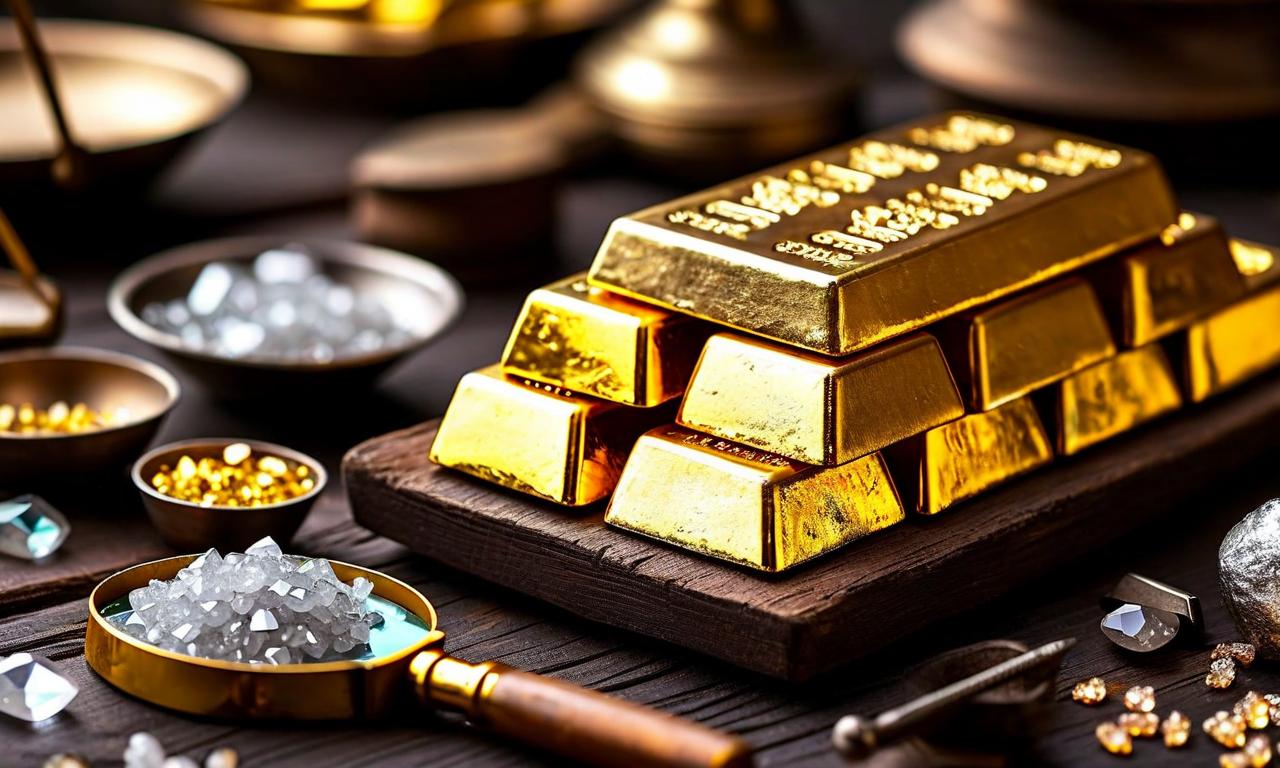

*this image is generated using AI for illustrative purposes only.
Gold prices extended their winning streak for a fifth consecutive session on January 23, while silver demonstrated strong outperformance with a sharp surge. The precious metals rally gained momentum from a weaker US dollar and shifting risk sentiment as geopolitical tensions showed signs of easing.
Market Performance and Key Levels
The latest trading session saw continued strength in precious metals markets. Key performance metrics highlighted the sustained bullish momentum across both gold and silver.
| Metal | Current Price | Daily Change | Performance |
|---|---|---|---|
| Spot Gold | $4,951.47/oz | +0.3% | Fifth consecutive session gain |
| Spot Silver | $97.85/oz | +1.7% | Strong outperformance |
Gold's advance brought prices closer to the psychologically significant $5,000 per ounce mark, while silver's stronger percentage gain demonstrated its heightened sensitivity to market sentiment shifts.
Dollar Weakness Drives Precious Metals Higher
The primary catalyst for precious metals strength came from significant US dollar weakness. The greenback hovered near its lowest levels of the year after recording its biggest one-day decline in six weeks. This currency movement provided fundamental support for dollar-denominated commodities like gold and silver by making them more affordable for international buyers.
The dollar's retreat coincided with stable Treasury yields, with the US 10-year yield holding around 4.247%. This yield environment, combined with currency weakness, created favorable conditions for non-yielding assets like precious metals.
Geopolitical Risk Reduction Supports Market Sentiment
Precious metals also benefited from reduced geopolitical uncertainty following policy statements from US President Donald Trump. Markets took comfort from Trump's decision to dial back tariff threats on European goods and his ruling out of taking control of Greenland by force. These developments helped stabilize risk assets while maintaining support for safe-haven precious metals.
Societe Generale analysts noted that while immediate tensions eased, "policy uncertainty remains high," cautioning that further policy direction changes could still emerge and impact market dynamics.
Central Bank Policy Expectations
Central bank policy outlook continued to influence precious metals sentiment. Market expectations centered on policy stability across major economies:
- Federal Reserve: Fed funds futures indicated a 96% probability of unchanged rates at the January 28 meeting
- Bank of Japan: Traders widely expected rates to remain unchanged at the latest policy meeting
- Policy Impact: Stable rate expectations kept yields and dollar strength in check
Analyst Perspectives and Market Outlook
NS Ramaswamy, Head of Commodity & CRM at Ventura, identified gold as entering 2026 with strong momentum while approaching a critical long-term inflection point. He highlighted several supportive factors including monetary conditions, safe-haven demand, trade frictions, supply constraints, ETF inflows, and central bank diversification from US assets.
However, Ramaswamy also cautioned about potential headwinds such as profit-taking from overbought levels, easing geopolitical tensions, stronger US economic data that could push yields higher, dollar strength, weaker physical demand due to elevated prices, and slower central bank purchases.
Ravi Singh, Chief Research Officer at Master Capital Services, advised investor caution due to market volatility. He suggested staggered allocation strategies, such as monthly SIP-style investing to average costs, while emphasizing precious metals' role primarily as diversification tools rather than return-focused assets.
Traders are now monitoring upcoming global economic indicators, particularly US inflation data, for guidance on future interest rate and dollar direction. With gold approaching the $5,000 psychological milestone and silver showing robust momentum, near-term price action will likely depend on whether current risk sentiment stability continues or policy uncertainty re-emerges.
 19
19










 Access Market Heat-map & Insights
  Create, Save & Share your Screener
  Use 200+ Screening Filters





