

Direct Energy sets July natural gas rate at $1.595 per GJ


Direct Energy Regulated Services announced a decrease in the default natural gas rate for July 2026 to $1.595 per GJ, down from $2.076 per GJ in June. The rate, verified by the Alberta Utilities Commission, applies to ATCO Gas North and South territories. Typical residential bills are estimated at $65 in the North and $51 in the South for 2 GJ of consumption.

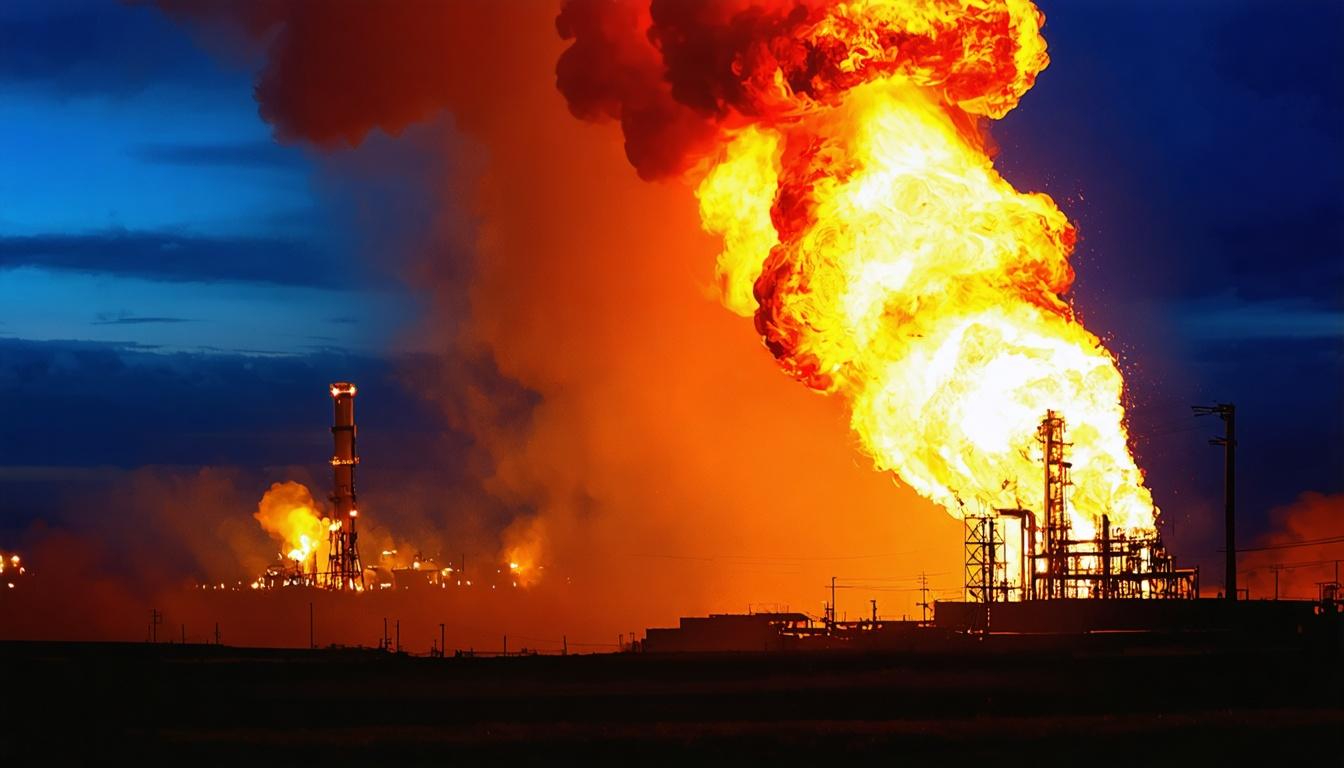

*this image is generated using AI for illustrative purposes only.
Direct Energy Regulated Services has set the default natural gas rate for July 2026 at $1.595 per GJ, a decrease from the June rate of $2.076 per GJ. These rates apply to customers within the ATCO Gas North and South service territories who have not selected a competitive supplier. The calculation method for these rates has been verified by the Alberta Utilities Commission.
The July rate reflects a market price of approximately $1.667 per GJ for July supplies, as reported by NGX. This figure incorporates an adjustment of $-0.072 per GJ accounting for June and prior months. The reduction in the regulated rate provides relief to consumers compared to the previous month's charges.
Impact on Residential Consumers
The financial impact on consumers varies by geographic location due to differences in transmission and distribution service provider (TDSP) charges levied by ATCO Gas. The North territory includes customers living in and north of the City of Red Deer, while the South territory includes those living south of Red Deer.
| Service Territory | Average Consumption | Typical Bill Amount |
|---|---|---|
| North | 2 GJ | $65 |
| South | 2 GJ | $51 |
Based on an average consumption of 2 GJ, the typical residential gas bill for July is approximately $65 in the North territory. In the South territory, the typical bill for the same consumption level is approximately $51. These variances are strictly due to the differing TDSP charges applied in each region.

What factors could drive natural gas prices higher or lower in the coming months?
How might seasonal demand changes affect future regulated rates?
Will the trend of decreasing rates continue into late 2026?
 17
17







 Access Market Heat-map & Insights
  Create, Save & Share your Screener
  Use 200+ Screening Filters





