

86% of Indians Consider Jewellery a Core Wealth Asset, Deloitte Report Shows


A Deloitte India report reveals that 86% of Indian consumers consider gold and jewellery as preferred instruments for wealth creation, nearly matching market-linked products like mutual funds and stocks at 87%. The study shows India's jewellery market is transforming beyond traditional boundaries, with consumers aged 45+ showing stronger investment focus while younger demographics drive shifts towards lightweight, minimalist designs and alternative metals like silver. However, Indian jewellery retailers face profitability challenges, operating at 5-10% EBITDA margins compared to 12% for global peers.

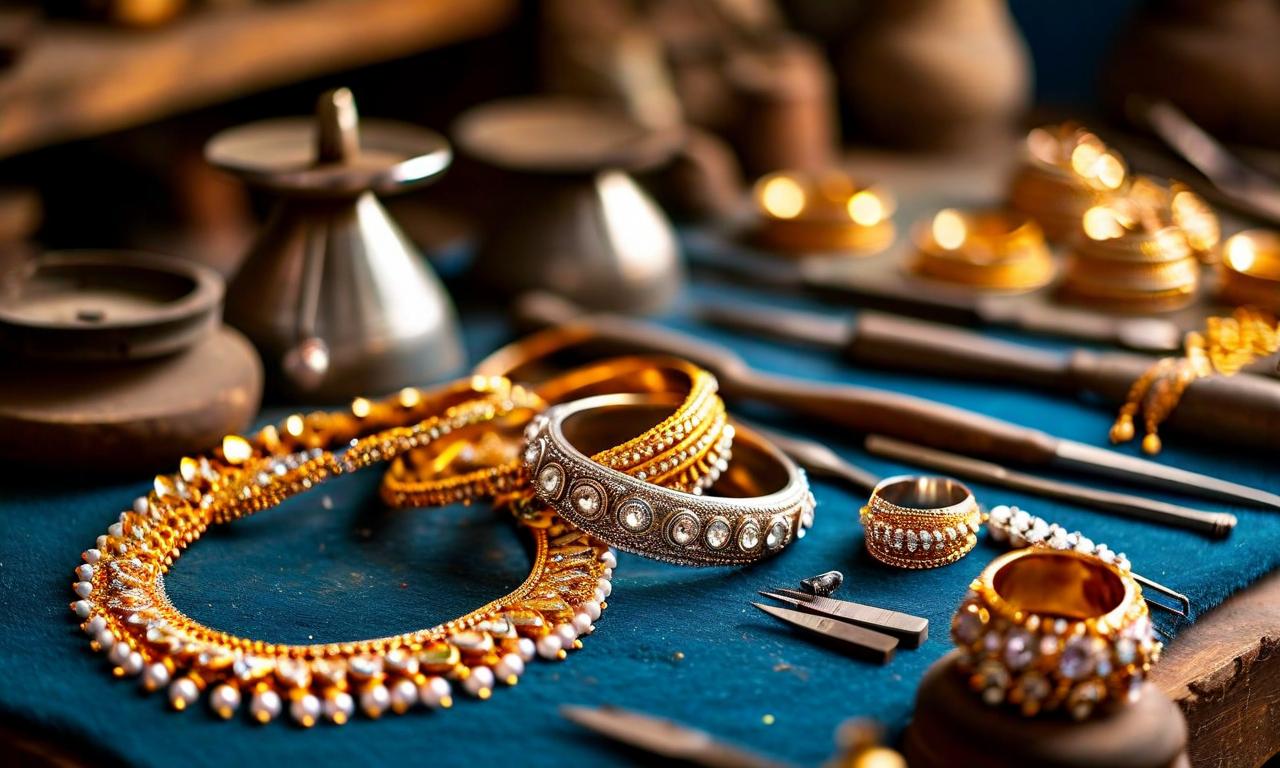

*this image is generated using AI for illustrative purposes only.
Jewellery has secured a formal position in Indian household wealth portfolios, with 86% of consumers now recognizing gold and jewellery as core assets for wealth creation, according to a comprehensive Deloitte India report. This figure places jewellery investment preferences nearly equal to market-linked instruments such as mutual funds and equities, which stand at 87%, demonstrating the sustained financial relevance of precious metals beyond their traditional ceremonial usage.
Market Transformation Beyond Traditional Boundaries
The Deloitte report, titled "Go for gold: A winning playbook for the gems and jewellery industry," reveals that India's jewellery market is experiencing fundamental changes. "India's jewellery market is at an inflection point where consumption is no longer defined only by tradition or price, but by a convergence of wealth creation, self-expression and everyday relevance," said Praveen Govindu, Partner, Deloitte India.
The data shows jewellery purchasing decisions are increasingly driven by multiple motivations rather than single-purpose buying, with clear demographic segmentation in consumer approach.
| Purchase Motivation | Percentage | Primary Demographics |
|---|---|---|
| Investment + Fashion | 56% | Mixed age groups |
| Investment Only | 28% | Men, 45+ years |
| Fashion Only | 16% | Younger consumers |
Consumers aged 45 and above display particularly strong inclination towards investment-led purchases, indicating strategic focus on capital preservation within older demographic segments.
Design Preferences Shift Towards Minimalism
Younger consumers are fundamentally reshaping market dynamics through evolving design preferences and metal choices. The report identifies a pronounced shift away from traditional heavy, ornate jewellery towards contemporary styling that accommodates daily wear patterns.
| Design Preference | Consumer Percentage |
|---|---|
| Lightweight, Minimalist | 49% |
| Heavy, Ornate | 15% |
| Mixed Preferences | 36% |
This transformation is particularly evident among Gen Z and millennial consumers, who increasingly view jewellery as everyday accessories rather than exclusively ceremonial purchases reserved for special occasions.
Metal Diversification Among Younger Demographics
The traditional dominance of gold is experiencing notable diversification, especially among younger buyer segments. Gen Z consumers are leading this shift towards alternative precious metals, driven by factors including affordability, accessibility, and contemporary design aesthetics.
| Metal Preference | Gen Z Percentage |
|---|---|
| Silver Jewellery | 51% |
| Platinum Options | 34% |
| Silver Investment (Gen Z + Millennials) | 45% |
Silver is emerging as a complementary category for daily use rather than a direct replacement for gold, expanding the overall market scope and providing entry points for price-conscious consumers.
Industry Profitability Challenges
The report highlights significant operational challenges facing Indian jewellery retailers, particularly regarding profit margins. Indian retailers typically operate at EBITDA margins of 5-10%, significantly below the approximately 12% margins achieved by global industry peers.
| Performance Metric | Indian Retailers | Global Peers |
|---|---|---|
| EBITDA Margins | 5-10% | ~12% |
| Key Challenges | Capital lock-in, margin pressure | Better inventory management |
Deloitte identifies potential improvement areas including enhanced inventory turnover, improved demand forecasting capabilities, and strengthened omnichannel fulfilment systems to boost profitability while adapting to evolving consumer expectations.
Digital Discovery Meets Offline Transactions
Despite increasing digital influence in product discovery, jewellery remains fundamentally a trust-based purchasing category. Over 85% of jewellery transactions are completed through offline channels, with national chains, family jewellers, and local stores continuing to dominate final purchase decisions. However, discovery patterns vary significantly across age groups, with Gen Z consumers primarily utilizing social media and online search platforms.
The findings position jewellery in India as a hybrid product category that simultaneously serves as both a financial asset and lifestyle purchase, with market trends indicating continued evolution towards everyday relevance and diversified metal preferences across demographic segments.
 20
20






 Create Custom Screeners
  Access 200+ Pre-built Filters
  Use 50+ Readymade Screener





