News Union Budget 2026: Limited Immediate Growth Drivers, High-Speed Rail Delays Impact Future Projects
Union Budget 2026: Limited Immediate Growth Drivers, High-Speed Rail Delays Impact Future Projects


Union Budget 2026 lacks immediate growth drivers and faces challenges with high-speed rail infrastructure development. While high-speed rail projects may support long-term economic growth, delays in the first line implementation are expected to postpone new projects for the next decade, impacting India's transportation modernization timeline.
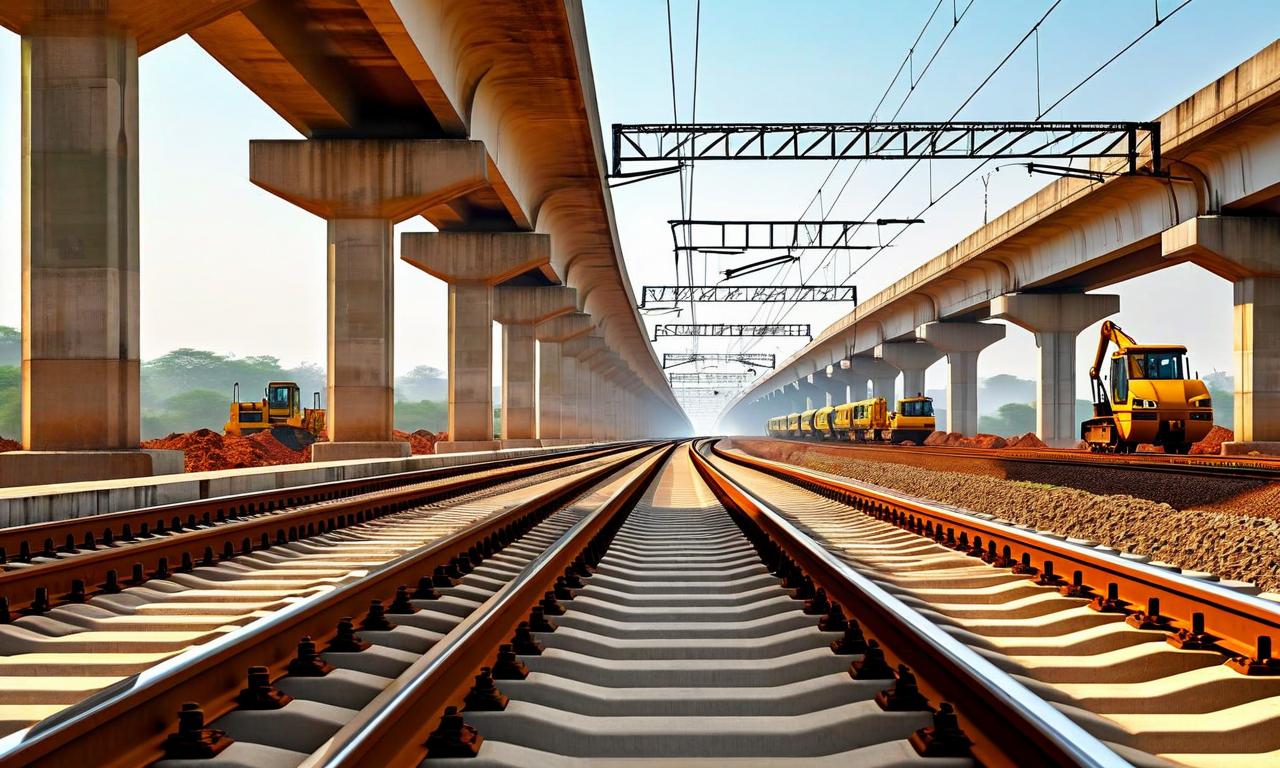

*this image is generated using AI for illustrative purposes only.
Union Budget 2026 has drawn attention for its limited focus on immediate economic growth catalysts, raising questions about short-term economic momentum. The budget's infrastructure strategy, particularly regarding high-speed rail development, reflects both opportunities and challenges for India's long-term transportation modernization.
Growth Strategy Concerns
The budget has been noted for its absence of immediate growth drivers, suggesting a focus on longer-term structural changes rather than quick economic stimuli. This approach may reflect fiscal constraints or a strategic shift toward sustainable development models over rapid expansion.
High-Speed Rail Infrastructure Outlook
While high-speed rail projects are positioned as potential contributors to long-term economic growth, the sector faces significant implementation challenges. The technology promises to transform intercity connectivity and boost economic activity along rail corridors once operational.
However, delays in the first high-speed rail line have created a bottleneck effect for the entire program. These setbacks are expected to postpone new high-speed rail projects for approximately the next decade, potentially slowing India's transportation infrastructure modernization.
Long-Term Infrastructure Implications
The delays in high-speed rail implementation may have broader implications for India's infrastructure development timeline. The postponement of new projects could affect related sectors including construction, technology transfer, and regional economic development plans that were designed around improved connectivity.
The budget's infrastructure approach appears to prioritize completing existing commitments before launching new initiatives, which may ensure better project execution but could limit near-term economic impact.
 19
19