News Union Budget 2026: India Extends Customs Duty Exemption on Lithium-Ion Cell Manufacturing Goods
Union Budget 2026: India Extends Customs Duty Exemption on Lithium-Ion Cell Manufacturing Goods


Union Budget 2026 extends customs duty exemption on goods for lithium-ion cell manufacturing, continuing government support for India's battery production sector. The policy extension aims to reduce input costs for domestic manufacturers and enhance competitiveness in the growing global battery market.
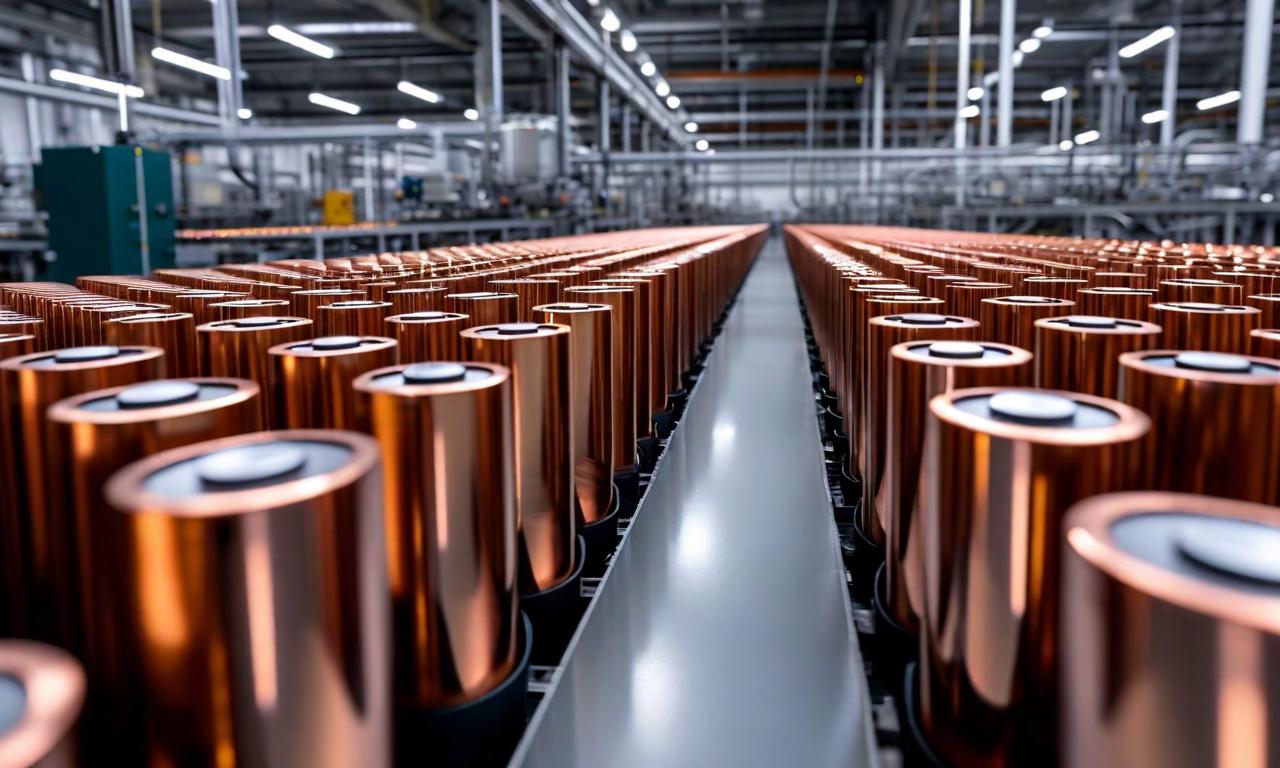

*this image is generated using AI for illustrative purposes only.
The Union Budget 2026 has announced the extension of customs duty exemption on goods used for lithium-ion cell manufacturing, marking a significant policy continuation for India's battery production sector. This decision reflects the government's ongoing commitment to supporting domestic manufacturing capabilities in the clean energy space.
Policy Extension Details
The budget extends the existing customs duty exemption framework that applies to goods specifically used in lithium-ion cell production. This exemption covers various components and materials essential for battery manufacturing, helping reduce input costs for domestic producers.
Impact on Manufacturing Sector
The extension of this customs duty exemption is expected to provide continued support to India's battery manufacturing industry. By maintaining lower import costs for essential goods and components, the policy aims to enhance the competitiveness of domestic lithium-ion cell producers.
The measure aligns with India's broader manufacturing and clean energy objectives, potentially encouraging further investment in the battery production sector. Domestic manufacturers can continue to benefit from reduced input costs, which may translate into more competitive pricing for their products.
Strategic Significance
This policy extension underscores the government's recognition of lithium-ion batteries as a critical component of India's energy transition strategy. The continued customs duty relief demonstrates sustained policy support for building domestic capabilities in this strategic sector.
The extension comes at a time when global demand for lithium-ion batteries continues to grow, driven by electric vehicle adoption and renewable energy storage requirements. By maintaining favorable import conditions for manufacturing inputs, India aims to strengthen its position in the global battery supply chain.
 16
16