Union Budget 2026 Announces ₹200 Billion For India's Carbon Capture Initiative

1 min read     Updated on 01 Feb 2026, 11:31 AM
scanx
Reviewed by
Radhika SScanX News Team
Overview

India's Finance Minister announced a comprehensive carbon capture strategy with ₹200 billion funding allocation in Union Budget 2026, targeting four critical industrial sectors including power generation, steel manufacturing, refineries, and chemicals. This substantial financial commitment demonstrates the government's focus on addressing industrial emissions through technological interventions across key industrial verticals.
31471273

*this image is generated using AI for illustrative purposes only.

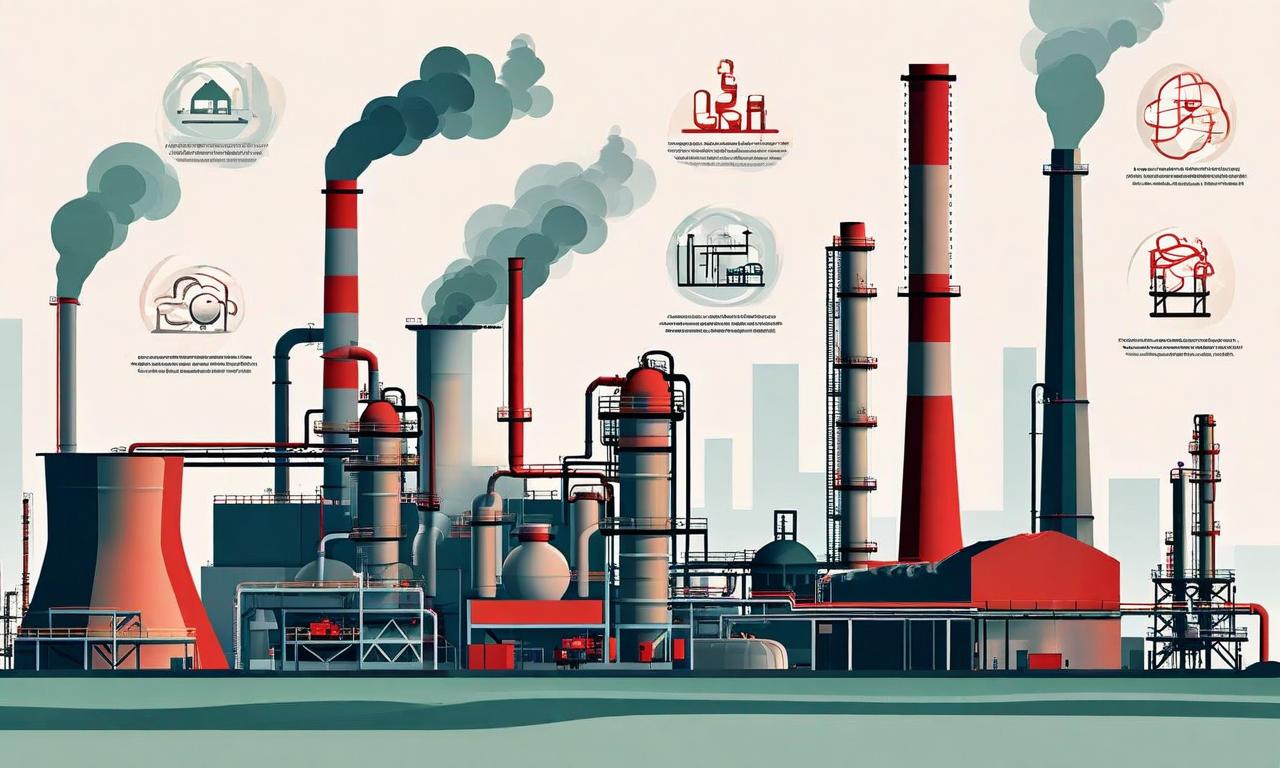
India's Finance Minister has announced a comprehensive carbon capture strategy with a substantial funding allocation of ₹200 billion as part of Union Budget 2026. The initiative targets four critical industrial sectors: power generation, steel manufacturing, refineries, and chemicals industries.

Budget Allocation and Sectoral Coverage

The carbon capture strategy encompasses key industrial sectors that are significant contributors to India's industrial emissions:

Parameter Details
Total Budget Allocation ₹200 billion
Target Sectors 4 industrial sectors
Coverage Power, Steel, Refineries, Chemicals

Sectoral Implementation Framework

The initiative covers strategic industrial verticals with specific focus areas:

Sector Coverage
Power Power generation facilities
Steel Steel manufacturing units
Refineries Oil refining operations
Chemicals Chemical production facilities

Policy Framework and Financial Commitment

The ₹200 billion allocation represents a significant financial commitment toward addressing industrial emissions through targeted technological interventions. This substantial funding demonstrates the government's serious approach to implementing carbon capture technologies across these four industrial verticals.

Industrial Impact and Strategic Significance

The carbon capture initiative targets sectors that form the backbone of India's industrial economy. Power generation, steel production, refinery operations, and chemical manufacturing represent significant components of the country's industrial output and emissions profile.

This policy announcement with dedicated funding signals the government's focus on integrating environmental sustainability measures with industrial development objectives. The strategy's implementation across these sectors could influence operational frameworks and technological adoption patterns in these industries.

like17
dislike

Budget 2026: India To Incentivise Indigenous Seaplane Manufacturing With VGF Scheme

1 min read     Updated on 01 Feb 2026, 11:30 AM
scanx
Reviewed by
Radhika SScanX News Team
Overview

Finance Minister Nirmala Sitharaman announced comprehensive seaplane sector support in Budget 2026, including manufacturing incentives for indigenous production and a new Viability Gap Funding scheme. The initiative targets enhanced last-mile and remote connectivity while promoting tourism, representing a strategic expansion of India's aviation manufacturing capabilities in specialized aircraft development.

31471232

*this image is generated using AI for illustrative purposes only.

Finance Minister Nirmala Sitharaman announced significant policy measures to boost India's seaplane manufacturing sector during Budget 2026 presentations on Sunday, February 1. The government will provide incentives for the indigenous manufacturing of seaplanes as part of its strategy to enhance connectivity and promote tourism. Additionally, a seaplane Viability Gap Funding (VGF) scheme will be introduced to support sector development.

Key Policy Announcements

The Finance Minister outlined the government's rationale for supporting seaplane manufacturing, stating that the initiative is designed to enhance last-mile and remote connectivity while promoting tourism. This dual-purpose approach reflects the government's focus on improving transportation infrastructure in challenging geographical areas where traditional connectivity options may be limited. The announcement signals the government's commitment to expanding the country's aviation manufacturing sector with a focus on specialized aircraft development.

Viability Gap Funding Scheme Introduction

As part of the comprehensive support package, Sitharaman announced the introduction of a seaplane Viability Gap Funding (VGF) scheme. This financial mechanism is expected to provide crucial support for the development and sustainability of seaplane operations in India. The VGF scheme represents an additional layer of government support beyond manufacturing incentives.

Initiative: Details
Manufacturing Incentives: Indigenous seaplane manufacturing support
VGF Scheme: Seaplane Viability Gap Funding introduction
Primary Objectives: Last-mile connectivity and tourism promotion
Budget Year: Union Budget 2026
Announcement Date: Sunday, February 1

Strategic Manufacturing Initiative

The proposed incentives for sea plane development represent a strategic move to diversify India's aviation manufacturing capabilities. Sea planes, which can take off and land on water surfaces, offer unique advantages for connectivity in coastal and island regions. The government's focus on this specialized segment demonstrates its vision to create comprehensive aviation infrastructure while building indigenous capabilities.

Industry Development Prospects

The seaplane manufacturing incentives and VGF scheme introduction mark a notable expansion of India's aviation sector support, targeting a specialized segment that could serve both transportation and tourism needs. These incentives could encourage both domestic and international manufacturers to establish production facilities in India, contributing to the growth of the aviation ecosystem. The focus on sea plane technology positions India to leverage its extensive coastline and inland water bodies for enhanced connectivity solutions across the country's diverse geographical landscape.

like16
dislike

More News on Union Budget 2026-27