Union Budget 2026-27 Sets Three Key Growth Goals With Youth Leadership Focus


Finance Minister Nirmala Sitharaman has presented Union Budget 2026-27 with a strategic framework centered on three fundamental objectives: growth acceleration, aspiration fulfillment, and inclusive development. The budget emphasizes youth leadership as a key driver for economic transformation and identifies manufacturing as a crucial sector for achieving these goals, while maintaining optimism despite unstable global conditions.


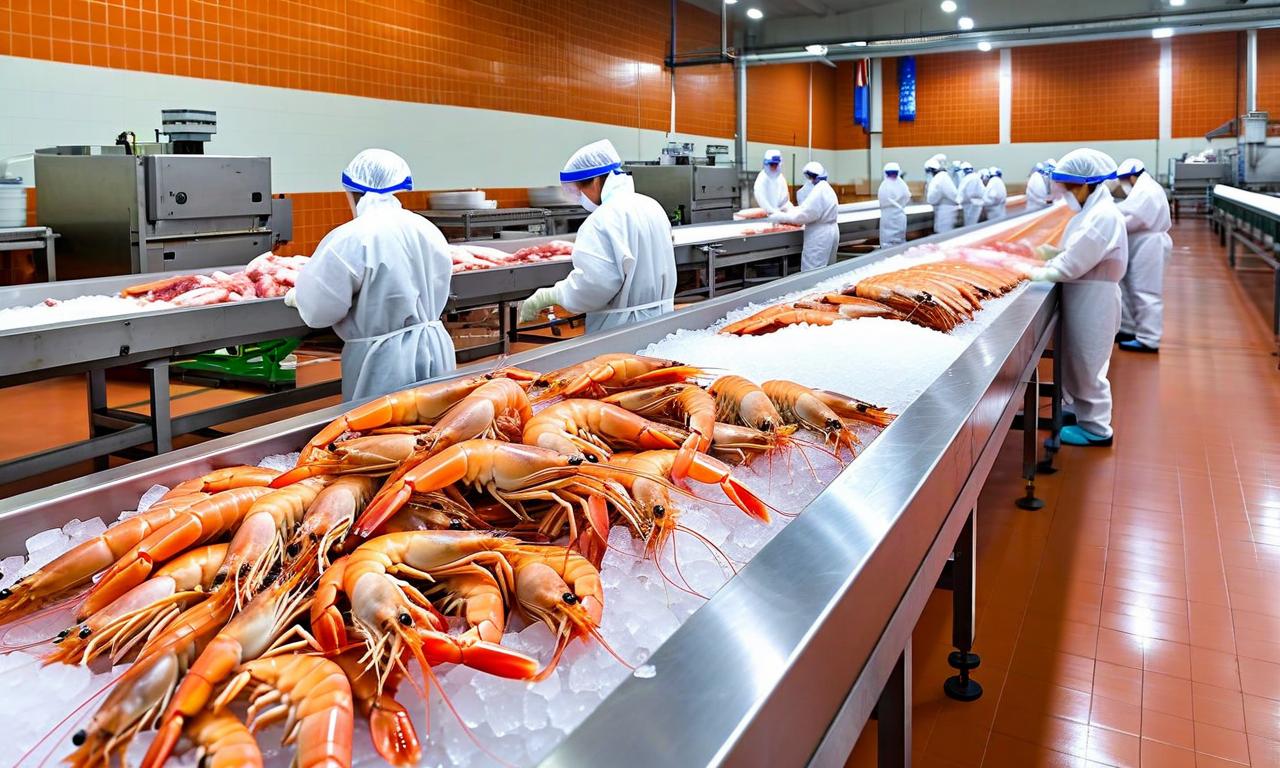
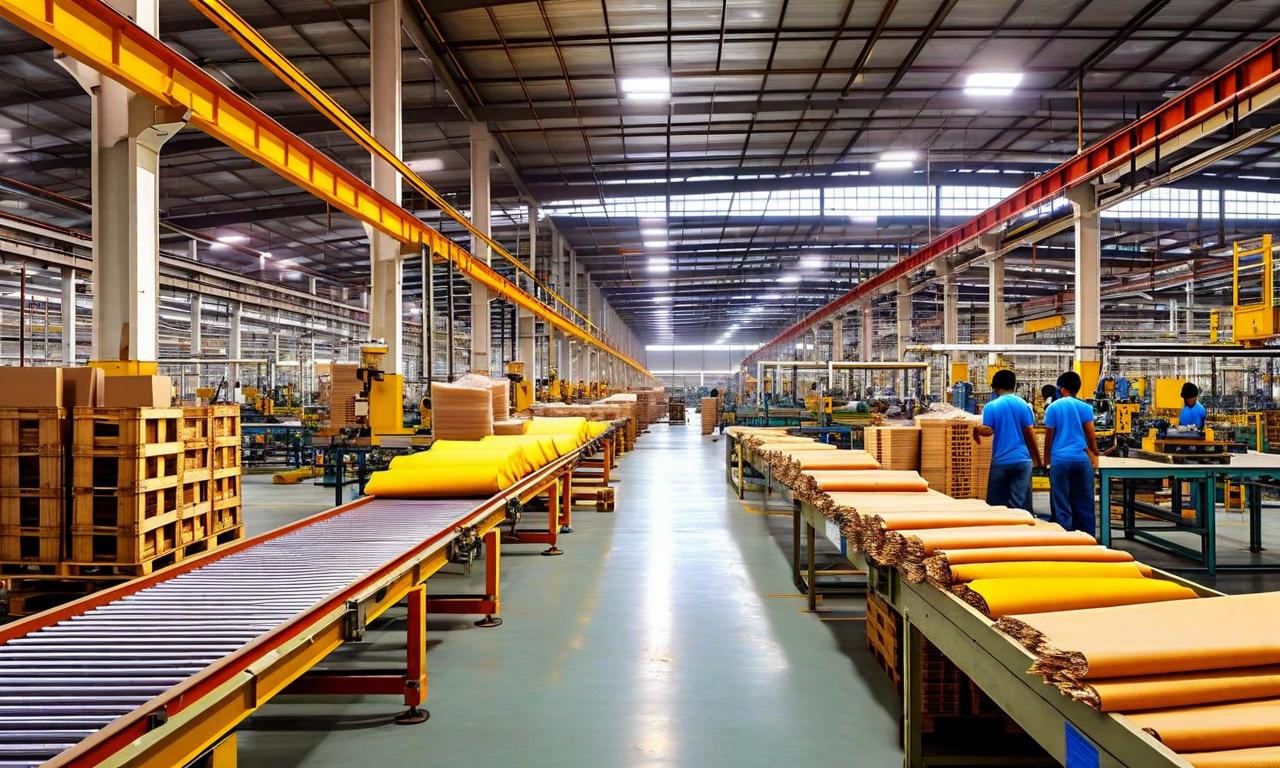
*this image is generated using AI for illustrative purposes only.
Finance Minister Nirmala Sitharaman has presented Union Budget 2026-27, outlining a comprehensive growth strategy centered on youth leadership and manufacturing excellence. The budget establishes three fundamental objectives aimed at strengthening India's economic trajectory amid challenging global conditions.
Strategic Framework and Key Objectives
The Union Budget 2026-27 presents a strategic framework built around three core goals designed to navigate current economic challenges while positioning India for sustained growth.
| Strategic Goal: | Focus Area |
|---|---|
| Growth Acceleration: | Economic expansion initiatives |
| Aspiration Fulfillment: | Meeting citizen expectations |
| Inclusive Development: | Broad-based economic participation |
The budget's three-pronged approach demonstrates the government's commitment to comprehensive economic development that addresses multiple dimensions of national progress simultaneously.
Youth Leadership and Manufacturing Emphasis
The budget places significant emphasis on youth leadership as a driving force for economic transformation. This approach recognizes the demographic advantage India possesses and seeks to harness young talent for national development.
Manufacturing has been identified as a key sector for achieving the outlined objectives. The focus on manufacturing aligns with broader economic goals of job creation, export growth, and technological advancement.
Global Context and Economic Resilience
Despite acknowledging unstable global conditions, the budget maintains an optimistic outlook for India's economic prospects. The three-pronged strategy aims to build resilience while capitalizing on domestic strengths and opportunities.
The budget's approach reflects the government's commitment to maintaining growth momentum while addressing the aspirations of India's diverse population through inclusive development policies that ensure broad-based participation in economic growth.
 15
15