News Automobile Sector Anticipates Higher Capital Expenditure in FY27 Budget to Boost Infrastructure and Demand
Automobile Sector Anticipates Higher Capital Expenditure in FY27 Budget to Boost Infrastructure and Demand


India's automobile sector is expressing positive expectations for the FY27 budget, with industry executives anticipating higher capital expenditure allocations that could boost infrastructure activity and support sector demand. The expected increase in government spending on infrastructure projects is viewed as a catalyst for automobile sector growth across various segments.
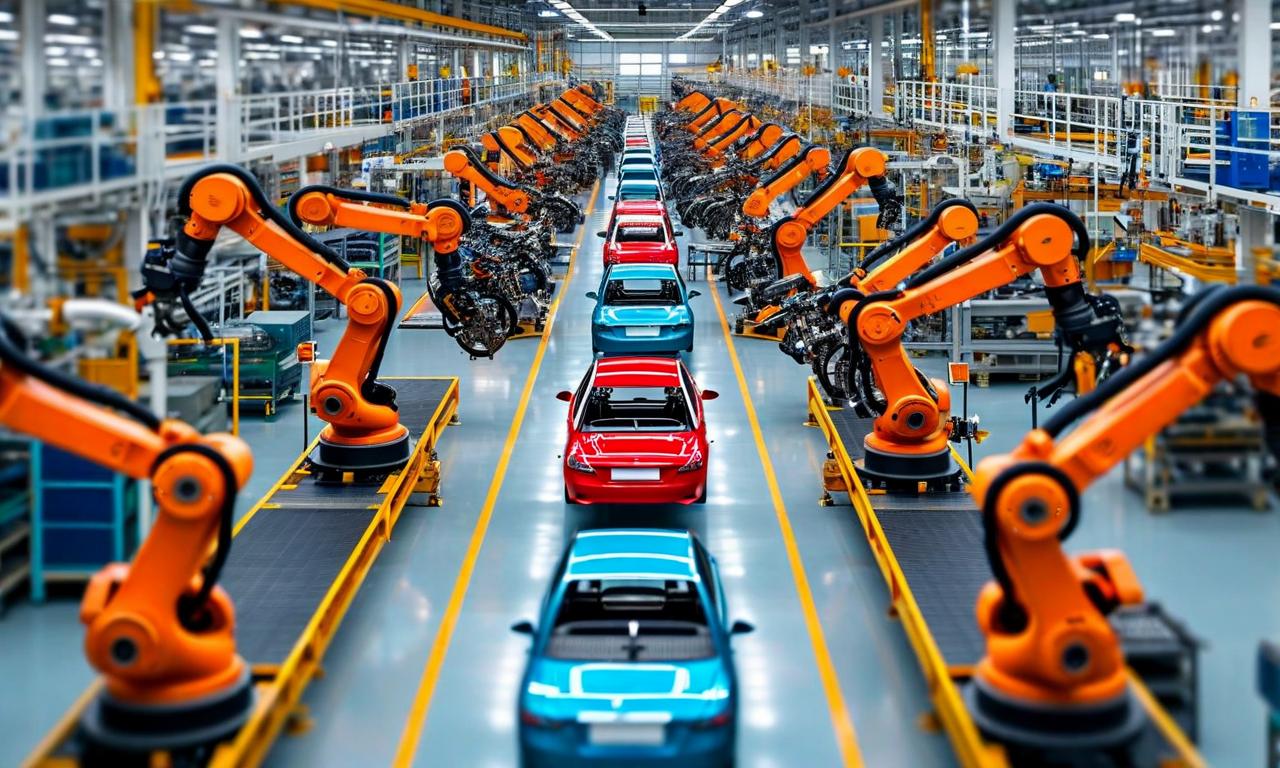

*this image is generated using AI for illustrative purposes only.
India's automobile sector is expressing optimism ahead of the FY27 budget, with industry executives anticipating that higher capital expenditure allocations could provide significant momentum to the sector's growth prospects.
Industry Expectations for Infrastructure Boost
According to industry executives, the expected increase in capital expenditure outlay in the FY27 budget is viewed as a crucial factor that could spur infrastructure activity across the country. This anticipated government spending is seen as having direct implications for automobile sector demand, creating positive sentiment among industry stakeholders.
Capital Expenditure Impact on Automobile Demand
The automobile industry's expectations center around the belief that enhanced government capital expenditure will translate into increased infrastructure development projects. Such projects typically require substantial transportation and logistics support, which could drive demand for commercial vehicles, construction equipment, and related automobile segments.
Industry executives view the potential budget allocation as an opportunity to strengthen the sector's fundamentals through improved infrastructure connectivity and increased economic activity. The anticipated capital expenditure increase is expected to create a favorable environment for automobile manufacturers and suppliers across various market segments.
Sector Outlook
The positive outlook from automobile industry executives reflects confidence in the government's continued focus on infrastructure development as a key economic driver. The sector's expectations highlight the interconnected nature of government spending, infrastructure development, and automobile demand in India's economic ecosystem.
 19
19