

ABB, BCG report sees DC tech central to future power systems


- ABB and BCG report highlights shift to hybrid AC/DC power systems
- DC technology moving from periphery to center of industrial infrastructure
- 800 VDC emerging as defining architecture for next-gen AI data centers
- Fragmented standards and skill shortages cited as primary deployment challenges
- ABB holds over 700 DC-related patents and launched first solid-state circuit breaker

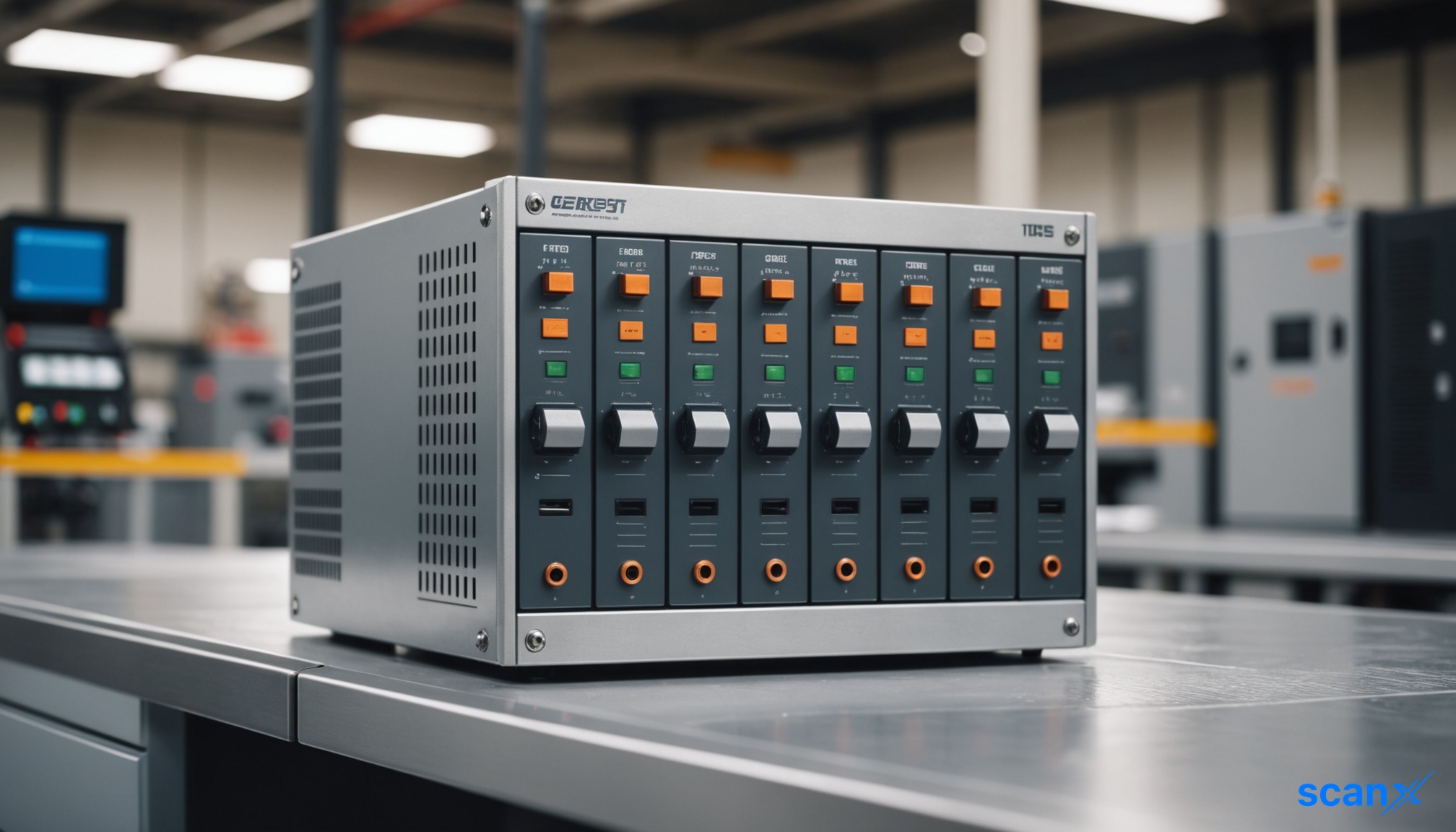

*this image is generated using AI for illustrative purposes only.
ABB and Boston Consulting Group (BCG) published a report on Sept. 9, 2026, arguing that direct current (DC) technology is moving to the center of industrial and digital infrastructure. The firms advocate for a hybrid AC/DC system to meet rising electricity demand.
The report, titled The Strategic Case for Hybrid AC/DC Power: Shaping the Transition to the Next Electrical Architecture, states that decisions made in the next two to three years will determine the shape of this transition. While alternating current (AC) remains the backbone of transmission networks, DC is critical for facilities where major energy sources and loads operate natively on direct current.
Drivers of Adoption
The fastest-growing technologies are inherently DC-based. These include solar photovoltaic systems, batteries, electric vehicles, AI data centers, and many industrial automation systems. As these technologies scale, reducing power conversion steps between generation, storage, and consumption can improve efficiency. It also increases the usable capacity of existing grid connections and simplifies integration.
AI data centers are identified as one of the most immediate drivers. Conventional electrical architectures are reaching practical limits as AI workloads increase power density requirements. The report finds that 800 VDC distribution is emerging as the defining architecture for next-generation AI infrastructure. This enables operators to maximize compute capacity within constrained grid connections while improving energy efficiency.
Broader Industrial Impact
Beyond data centers, automation-intensive manufacturing facilities and commercial buildings can benefit from DC systems. Benefits include lower conversion losses, more effective integration of onsite renewables and storage, and enhanced operational flexibility. Over the longer term, residential buildings may also see advantages.
Morten Wierod, Chief Executive Officer of ABB, emphasized the need for collaboration among business leaders, policymakers, and technology stakeholders. He noted that ABB’s DC solutions have helped customers reduce conversion losses and improve power transfer efficiency for more than 25 years.
Challenges and Capabilities
The report addresses long-standing misconceptions regarding scale, safety, and economics, concluding that these concerns increasingly reflect outdated assumptions. Instead, fragmented standards and a shortage of DC-specific skills are seen as the primary challenges. Establishing common standards and developing DC-specific skills can help accelerate deployment.
ABB holds more than 700 DC-related patents. The company previously demonstrated the energy-saving potential of DC in vessels with a system that achieved fuel savings of up to 27 percent. It launched the industry’s first solid-state circuit breaker in 2022. ABB is now bringing DC distribution to electric transport, microgrids, and data centers, while exploring applications in low-carbon aluminum production and green hydrogen.
Historical Stock Returns for ABB
| 1 Day | 5 Days | 1 Month | 6 Months | 1 Year | 5 Years |
|---|---|---|---|---|---|
| +3.30% | +2.15% | -3.88% | +15.96% | +37.41% | +279.27% |

How will the emergence of 800 VDC as a standard for AI data centers impact the competitive landscape among power infrastructure providers like ABB?
What specific regulatory frameworks or international standards are currently being developed to address the fragmentation in DC technology protocols?
To what extent will the shortage of DC-specific skills delay the widespread adoption of hybrid AC/DC systems in industrial manufacturing over the next three years?









 Access 50+ Readymade Screeners
  Use 200+ Custom Filters
  Get Full Market Insights





