Union Budget 2025 to Focus on Export Quality and Manufacturing Competitiveness


Union Budget 2025 is expected to focus on export diversification and manufacturing quality improvements to enhance India's global competitiveness. The budget will likely propose alignment of manufacturing standards with international norms, financial support for MSME testing and certification, and strategic import substitution measures. India's merchandise exports reached $330.29 billion during April-December, up from $322.41 billion previously, despite global trade challenges.
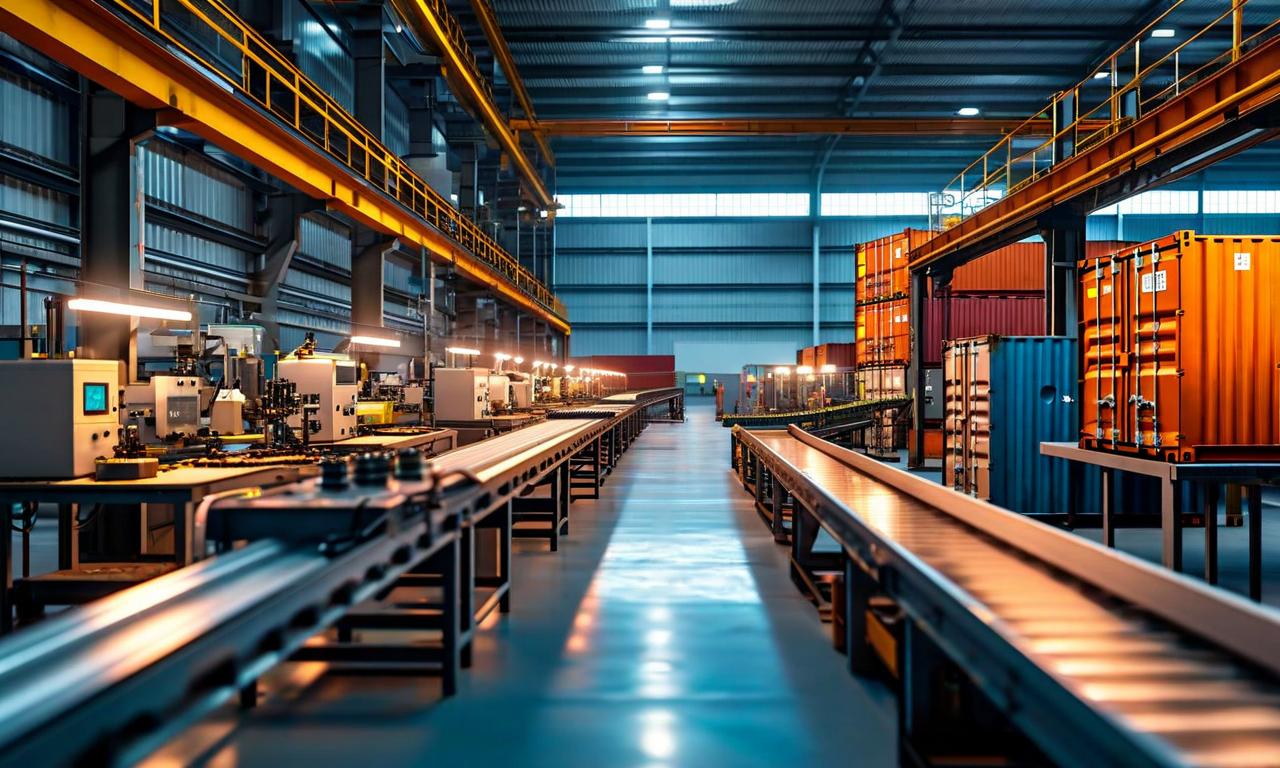
*this image is generated using AI for illustrative purposes only.
India's Union Budget for 2025, set to be presented on February 1, is expected to unveil a comprehensive strategy focused on enhancing export competitiveness and manufacturing quality. Finance Minister Nirmala Sitharaman's announcements will likely center on schemes enabling export diversification, improving market access, and elevating the quality of goods manufactured in India, according to government sources.
Strategic Focus on Global Integration
The government is finalizing policies to further integrate the Indian manufacturing sector with global supply chains while reducing import dependence on commodities, select products, and capital goods. The budget will emphasize reforms and measures to improve ease of doing business and bolster industry competitiveness. This approach aims to address risks from global uncertainty by improving manufacturing quality to help Indian products excel across multiple markets.
Trade Performance Amid Global Challenges
India has demonstrated resilience despite global trade shifts toward protectionism. The country's trade performance during April-December shows:
| Trade Metric | April-December (Current) | April-December (Previous Year) |
|---|---|---|
| Merchandise Exports | $330.29 billion | $322.41 billion |
| Imports | $578.61 billion | Not specified |
| Trade Deficit | $248.30 billion | Not specified |
Exports increased despite 50% tariffs imposed by the US, India's largest trading partner, demonstrating the economy's adaptability to challenging global conditions.
Manufacturing Standards and Quality Enhancement
The budget may propose deeper alignment of Indian manufacturing standards with international norms, coupled with financial support for testing, certification, and compliance, especially for micro, small and medium enterprises (MSMEs). Key focus areas include:
- Expanding domestic testing infrastructure
- Faster accreditation of laboratories
- Incentives for firms adopting global quality benchmarks
- Priority sectors: engineering goods, electronics, textiles, toys, and consumer products
The government has already announced close to 100 new voluntary quality control standards as a precursor to the budget measures.
Strategic Import Substitution
The budget may address China's potential threat to supply structurally important rare-earth metals by creating a focused list of critical goods where domestic capacity remains strategically important. Priority areas include:
- Electronic components, semiconductors, and display panels
- Capital goods such as precision machinery and industrial robots
- Clean energy inputs including solar wafers, cells, and battery storage systems
- Pharmaceutical bulk drugs and key chemical intermediates
- Select defense and aerospace components
Measures may include targeted capital subsidies, lower import duties on raw materials, and long-term procurement commitments to encourage domestic manufacturing.
Export Competitiveness Initiatives
The budget is expected to announce export-linked incentives for companies achieving scale thresholds and support for cluster-based manufacturing to reduce logistics and input costs. Additional measures may include:
- Funding for design, branding, and marketing of Indian products overseas
- Focus on labor-intensive sectors: textiles, footwear, furniture, and food processing
- Strengthening trade finance and expanding export credit insurance
- Increased funding for market access initiatives
The government may also incentivize multinational firms to source higher shares of inputs from India while easing customs procedures for intermediate goods and creating plug-and-play manufacturing zones linked to ports and logistics hubs. These initiatives aim to encourage joint ventures, technology partnerships, and supplier development programs that will help Indian firms, particularly MSMEs, become reliable vendors to global manufacturers.
 17
17