NewsStocksTransport Ministry Proposes Aadhaar-like Identification System for EV Battery Traceability
Transport Ministry Proposes Aadhaar-like Identification System for EV Battery Traceability


The Ministry of Road Transport and Highways has proposed draft guidelines for a Battery Pack Aadhaar Number (BPAN) system, requiring battery producers and importers to assign unique 21-character identification numbers to EV batteries. The framework prioritizes electric vehicle batteries, which represent 80-90% of India's lithium-ion battery demand, and focuses initially on industrial batteries above 2 kWh capacity. The system aims to ensure end-to-end traceability from raw material extraction to final disposal, supporting transparency, recycling efficiency, and regulatory compliance in India's growing battery ecosystem.
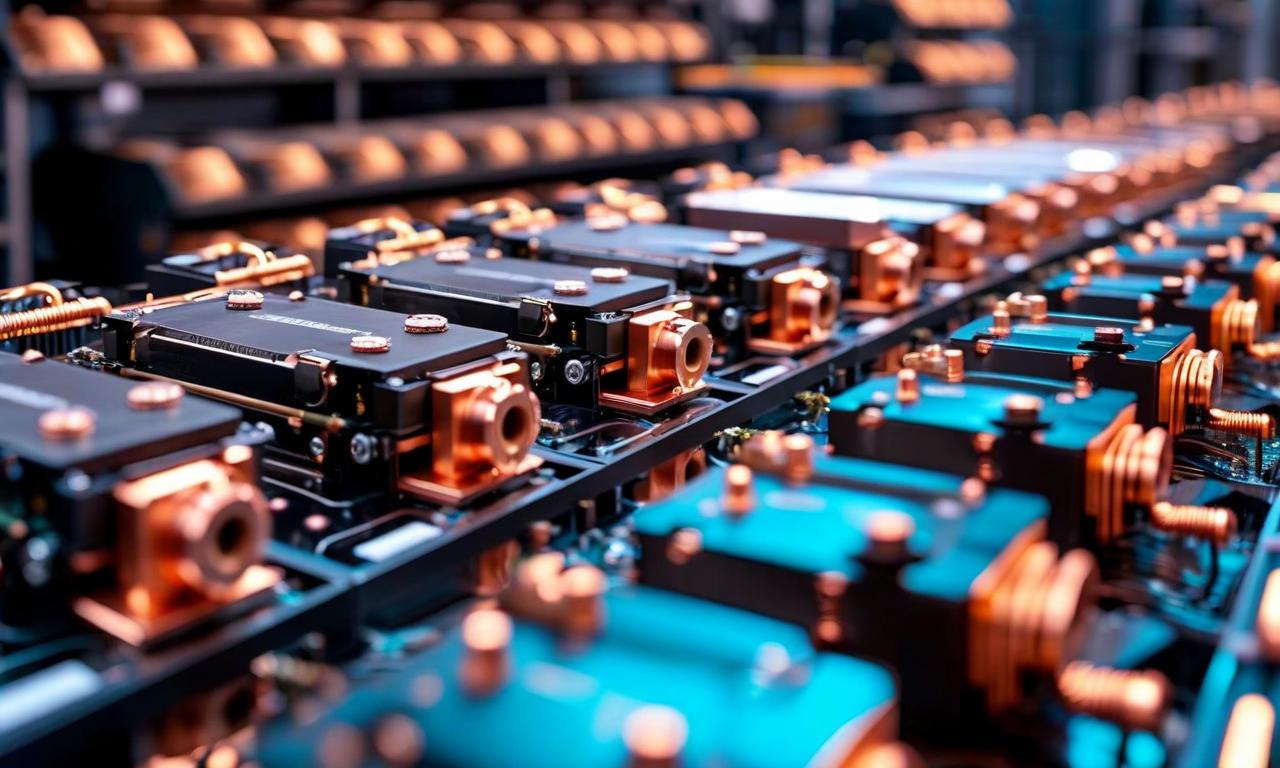
*this image is generated using AI for illustrative purposes only.
The Ministry of Road Transport and Highways has unveiled draft guidelines proposing a comprehensive identification system for electric vehicle batteries, introducing a unique traceability framework designed to enhance sustainability and accountability in India's growing battery ecosystem. The proposed system draws inspiration from the Aadhaar identification model, extending its application to battery management and lifecycle tracking.
Battery Pack Aadhaar Number Framework
The draft guidelines mandate battery producers and importers to assign a unique 21-character Battery Pack Aadhaar Number (BPAN) to each battery introduced in the market or used internally. This identification system will capture and store comprehensive information throughout the battery's lifecycle, from raw material extraction and manufacturing to usage, recycling, or final disposal.
Key requirements for BPAN implementation include:
- Mandatory assignment by battery producers or importers
- Clear visibility and accessibility of the identification number
- Strategic placement to prevent destruction or deterioration
- Upload of Battery Pack Dynamic data on the official BPAN portal
Priority Focus on Electric Vehicle Batteries
The guidelines recognize the significant role of electric vehicles in India's battery landscape, with EV applications accounting for 80-90% of total lithium-ion battery demand, substantially exceeding industrial or non-automotive applications. Consequently, the framework prioritizes electric vehicle batteries during standard formulation, considering their scale, safety implications, and regulatory relevance.
| Battery Application | Demand Share | Priority Level |
|---|---|---|
| Electric Vehicle Applications | 80-90% | High Priority |
| Industrial Applications | 10-20% | Standard Priority |
| Non-automotive Applications | Minimal | Standard Priority |
While the guidelines recommend BPAN applicability for industrial batteries above 2 kWh capacity, electric vehicle batteries receive precedence to address the most impactful segment of India's battery ecosystem in the initial implementation phase.
Lifecycle Management and Recycling
The proposed system addresses battery lifecycle changes through dynamic identification updates. Any modification in BPAN attributes due to recycling and repurposing will result in a new BPAN assignment by the original or new producer or importer. This approach ensures continuous traceability and supports second-life usage applications, regulatory compliance, and efficient recycling processes.
The framework aims to bring transparency, accountability, and sustainability to the battery ecosystem by enabling accurate tracking of performance and environmental impact throughout the battery's operational life.
Implementation Through Industry Standards
The guidelines recommend advancing the Battery Pack Aadhaar framework through the Automotive Industry Standard (AIS) route under the Automotive Industry Standards Committee (AISC). This approach follows an established multi-step standardization process that enables structured stakeholder consultation, technical validation, and harmonization with existing automotive regulations while ensuring national uniformity and regulatory acceptance.
The AISC committee will include representatives from relevant stakeholders including battery manufacturers, electric vehicle manufacturers, recyclers, testing agencies, and regulatory bodies to ensure comprehensive coverage of practical implementation aspects across the battery lifecycle.
Strategic Importance for India's Energy Transition
As India advances toward digitalization and electrification, energy storage cells serve as the foundation for consistent, flexible, and efficient power delivery. Beyond electric mobility, batteries play vital roles across diverse applications including energy storage in private and domestic settings, industrial operations, and electrical energy generation and distribution. The proposed BPAN system positions India to better manage this critical infrastructure component while supporting the country's sustainable energy transition goals.
 15
15