NewsStocksSamir Arora Questions Necessity of Six-Hour Trading Sessions, Proposes Three-Hour Market Day
Samir Arora Questions Necessity of Six-Hour Trading Sessions, Proposes Three-Hour Market Day


Samir Arora, founder of Helios Capital, has proposed reducing Indian stock market trading hours from six to three hours daily, suggesting this would benefit employees and improve research quality without affecting trading volumes. His proposal has sparked debate within the trading community, with supporters arguing that concentrated trading periods could be more efficient and allow for better decision-making through increased research time.
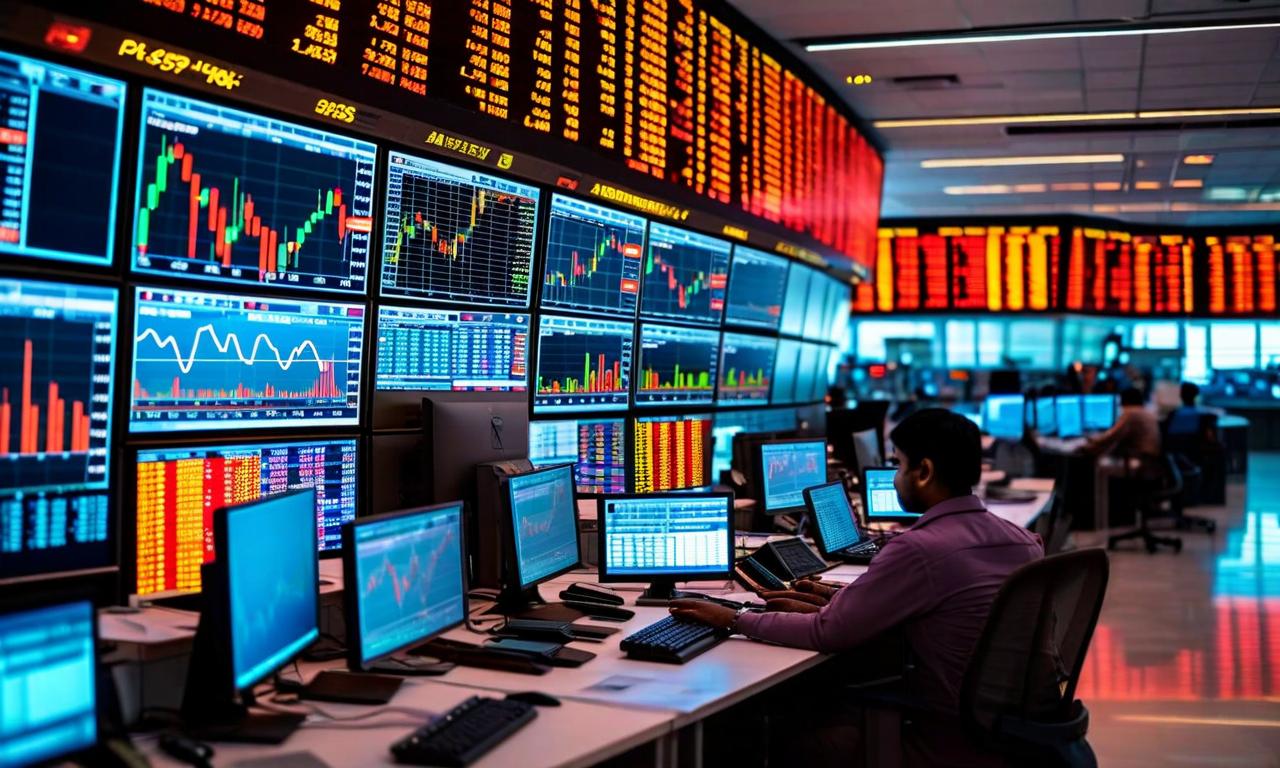
*this image is generated using AI for illustrative purposes only.
Prominent investor Samir Arora has initiated a fresh discussion within India's trading community by questioning the necessity of six-hour daily stock market sessions. The founder of Singapore-based asset management company Helios Capital proposed reducing trading hours as a solution that could benefit market participants without compromising trading efficiency.
Proposal for Reduced Trading Hours
In a social media post, Arora argued that shorter trading sessions would create opportunities for employees to engage in deeper research and pursue other activities while maintaining current trading volumes. He suggested that whatever trades occur during the current six-hour window could be accomplished within three hours with minimal adjustment.
| Current Trading Structure: | Details |
|---|---|
| Regular Trading Hours: | 9:15 AM to 3:30 PM |
| Total Duration: | Approximately 6 hours |
| Exchanges Covered: | NSE and BSE |
| Additional Sessions: | Pre-open and post-market (excluded from regular hours) |
Arora's proposal centers on the belief that concentrated trading periods would encourage more focused market participation while freeing up time for research and analysis activities that could ultimately improve trading decisions.
Market Community Response
The suggestion has generated considerable discussion among market participants, with several supporting the concept of prioritizing trading quality over extended hours. Some respondents emphasized that meaningful market movements typically occur in concentrated bursts rather than being evenly distributed across the entire trading session.
Key points raised by supporters include:
- Research Enhancement: Additional time for market analysis and investment research
- Global Market Access: Concerns about limited trading windows when international markets remain active
- Decision Quality: Potential for improved trading decisions through reduced screen time and increased reflection
- Work-Life Balance: Better time management for market professionals
Current Market Structure Context
The proposal emerges during ongoing discussions about work conditions across various sectors, including concerns raised by gig workers regarding fair compensation and working conditions. Arora's suggestion represents a different perspective on optimizing work efficiency within the financial services sector.
| Comparison Framework: | Current System | Proposed System |
|---|---|---|
| Trading Duration: | 6 hours daily | 3 hours daily |
| Employee Time: | Extended market monitoring | Increased research/analysis time |
| Trading Efficiency: | Spread across longer period | Concentrated activity |
The discussion highlights broader questions about optimal market structure and the balance between accessibility and efficiency in trading operations. While some market participants view extended hours as necessary for comprehensive price discovery, others argue that concentrated trading periods could achieve similar results with improved participant satisfaction.
 15
15