

Tata Steel Credit Rating Affirmed at BBB by S&P with Stable Outlook


S&P Global Ratings affirmed Tata Steel's BBB issuer credit rating with a stable outlook on December 24, 2025. The rating agency cited higher volumes and cost-reduction initiatives as balancing factors against growth project impacts. Tata Steel's planned expansion at NINL and downstream capacity additions are expected to increase annual capex by ₹100-200 billion, potentially delaying deleveraging. S&P projects Tata Steel's adjusted debt to rise to ₹1,100 billion by fiscal 2028, with EBITDA forecasted to grow to ₹410 billion in fiscal 2027. The stable outlook reflects expectations of credit metric recovery over the next 12-18 months.


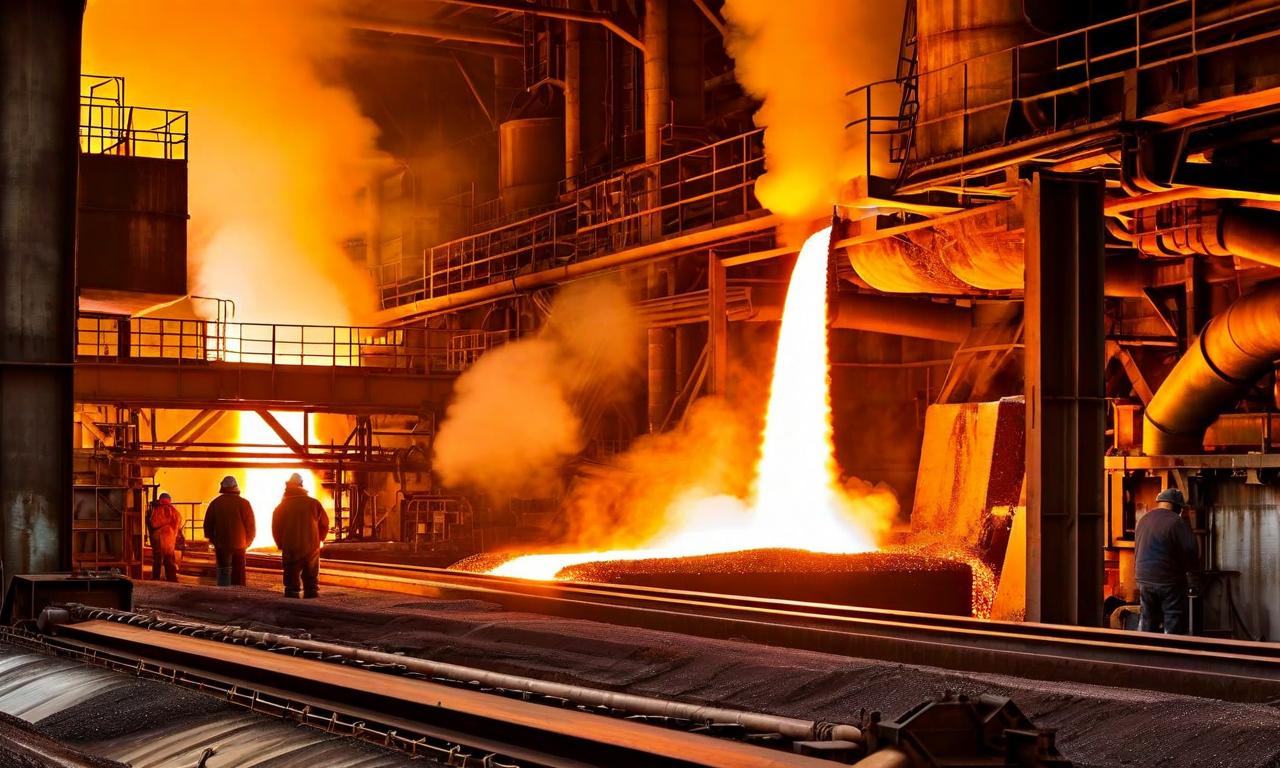
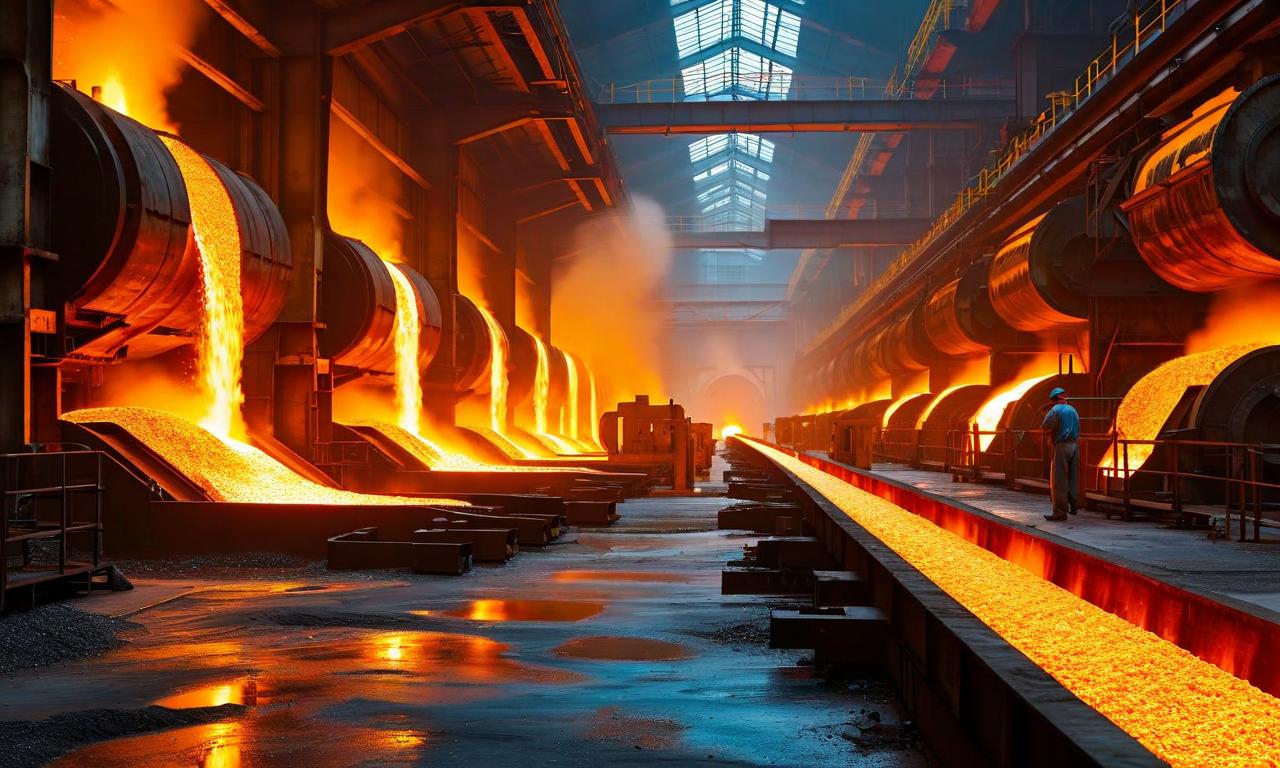
*this image is generated using AI for illustrative purposes only.
Tata Steel received a credit rating affirmation from S&P Global Ratings on December 24, 2025, maintaining its BBB issuer credit rating with a stable outlook. The company disclosed this development through a regulatory filing under Regulation 30 of SEBI (Listing Obligations and Disclosure Requirements) Regulations, 2015.
Regulatory Disclosure and Rating Affirmation
Tata Steel informed stock exchanges BSE Limited and National Stock Exchange of India Limited about the rating affirmation through an official communication. S&P Global Ratings cited higher volumes and cost-reduction initiatives as factors balancing the impacts of growth projects in their decision to affirm the rating.
| Rating Component | Details |
|---|---|
| Issuer Credit Rating | BBB |
| Outlook | Stable |
| Rating Date | December 24, 2025 |
| Senior Unsecured Notes | BBB |
| Regulatory Filing | SEBI Regulation 30 |
Growth Investment Impact on Leverage
The steel manufacturer's planned expansion at Neelachal Ispat Nigam Ltd. (NINL) and downstream capacity additions will significantly increase annual capital expenditure. S&P estimates these investments will raise annual capex by ₹100.00 billion to ₹200.00 billion over the next few years, resulting in negative discretionary cash flow and delayed deleveraging.
On December 10, 2025, Tata Steel announced a 4.80 million ton capacity expansion at NINL, requiring an estimated capital outlay of ₹400.00 billion to ₹450.00 billion over three to four years. The company also plans to add rolling, pickling, and galvanizing lines at various Indian sites to increase value-added product share.
Financial Projections and Market Challenges
S&P projects Tata Steel's adjusted debt will increase to ₹1,100.00 billion in fiscal 2028, approximately ₹380.00 billion higher than previous forecasts. Lower steel prices are expected to weigh on fiscal 2026 earnings, with domestic hot rolled coil prices correcting by more than 10% from May 2025 highs of ₹52,500.00 per ton.
| Fiscal Year | Revenue (₹ Bil) | EBITDA (₹ Bil) | FFO/Debt (%) |
|---|---|---|---|
| 2026e | 2,200.00 | 319.00 | 21.30 |
| 2027f | 2,410.00 | 412.00 | 26.70 |
| 2028f | 2,405.00 | 443.00 | 26.30 |
Operational Improvements and Cost Efficiencies
The rating agency anticipates ₹30.00 billion to ₹35.00 billion in savings through curtailment of U.K. business losses and optimized iron ore pellet sourcing. A ramp-up at the Kalinganagar facility would add approximately 2.50 million tons to total output in fiscal 2027, while new downstream facilities will improve both product mix and EBITDA per ton.
S&P forecasts Tata Steel's EBITDA will increase 30% to ₹410.00 billion in fiscal 2027, compared with an estimated ₹319.00 billion for fiscal 2026. This earnings growth is expected to lift the company's funds from operations to debt ratio to 26%-27%.
Outlook and Rating Scenarios
The stable outlook reflects expectations that credit metrics will recover over the next 12-18 months, supported by higher output volumes in India and reduced U.K. losses. The company is expected to fund recently announced growth projects largely through operating cash flow, with the FFO to debt ratio likely improving to comfortably above 20%.
| Scenario | Key Requirements |
|---|---|
| Downgrade Risk | FFO-to-debt fails to improve above 20% sustainably |
| Current Rating | BBB with stable outlook |
| Upgrade Potential | Sustained FFO-to-debt ratio above 30% |
Downside risks include delayed capacity ramp-up at Kalinganagar due to sluggish demand or continued operating losses in the U.K. An upgrade would require demonstrating a track record of operating at lower leverage through steel price cycles, with a sustained FFO-to-debt ratio comfortably above 30%.
Historical Stock Returns for Tata Steel
| 1 Day | 5 Days | 1 Month | 6 Months | 1 Year | 5 Years |
|---|---|---|---|---|---|
| -3.42% | -6.72% | -4.56% | -7.22% | +5.47% | +38.10% |
 15
15




 Access Market Heat-map & Insights
  Create, Save & Share your Screener
  Use 200+ Screening Filters





