NITI Aayog Releases Phase 2 Asset Monetisation Roadmap Targeting ₹16.72 Lakh Crore

1 min read     Updated on 24 Feb 2026, 09:10 AM
scanx
Reviewed by
Suketu GScanX News Team
Overview

NITI Aayog has released the roadmap for Phase 2 of Asset Monetisation, targeting ₹16.72 lakh crore mobilization between 2025-26 and 2029-30. This development provides strategic direction for PSU sector stakeholders and outlines the government's continued focus on asset monetisation. The five-year timeline offers structured implementation approach for unlocking value from public sector assets while maintaining strategic oversight.


33450040

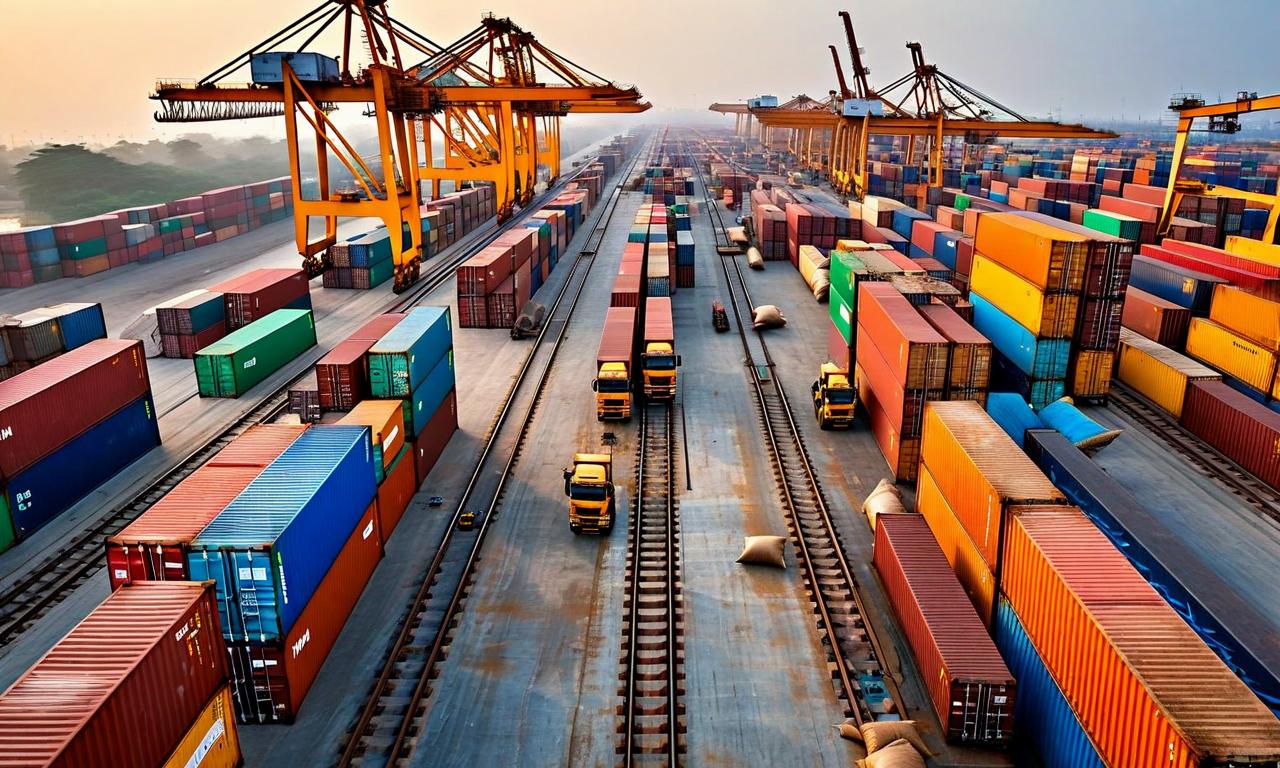
*this image is generated using AI for illustrative purposes only.

NITI Aayog has unveiled the roadmap for Phase 2 of India's Asset Monetisation program, announcing plans to raise ₹16.72 lakh crore between 2025-26 and 2029-30. This significant policy development outlines the government's strategic approach to leveraging public assets for infrastructure development and economic growth.

Asset Monetisation Framework

The Phase 2 roadmap represents a continuation of the government's asset monetisation strategy, focusing on unlocking value from existing public sector assets. The program targets a substantial financial mobilization over the five-year period, indicating the scale and scope of assets identified for monetisation.

Program Details: Specifications
Target Amount: ₹16.72 lakh crore
Timeline: 2025-26 to 2029-30
Program Phase: Phase 2
Announcing Authority: NITI Aayog

Implications for PSU Sector

The announcement of Phase 2 asset monetisation roadmap carries significant implications for the Public Sector Undertaking ecosystem. PSU stocks and related entities may experience renewed investor interest as the market evaluates potential opportunities and structural changes arising from the monetisation program.

The roadmap provides a structured approach to asset utilization, potentially creating new investment avenues while maintaining government oversight of strategic assets. This balanced approach aims to optimize asset productivity while ensuring continued public sector presence in key economic sectors.

Strategic Timeline and Implementation

The five-year implementation period from 2025-26 to 2029-30 provides a clear timeline for market participants and stakeholders to assess opportunities. The structured approach allows for systematic implementation while providing adequate time for due diligence and proper asset valuation processes.

NITI Aayog's role in releasing this roadmap underscores the program's strategic importance in India's economic planning framework. The policy think tank's involvement suggests comprehensive evaluation and planning behind the asset monetisation initiative.

like15
dislike

NITI Aayog Recommends National Agency for MSME Green Energy Transition

2 min read     Updated on 22 Jan 2026, 12:00 AM
scanx
Reviewed by
Shriram SScanX News Team
Overview

NITI Aayog has recommended establishing a national project management agency to facilitate green energy transition for MSMEs as India works toward net zero emissions by 2070. The proposed agency would operate as an independent consultative entity under inter-ministerial oversight, implementing programmes through transparent MSME cluster selection processes. The think tank also released decarbonisation roadmaps for cement and aluminium sectors, projecting 80-85% emission reductions in cement industry by 2070 through renewable fuel adoption and carbon capture technologies. With MSMEs contributing 45.7% to exports while generating 135 million tonnes of annual carbon emissions, the initiative addresses a critical component of India's COP26 climate commitments.

30565839

*this image is generated using AI for illustrative purposes only.

Government think tank NITI Aayog has recommended establishing a national project management agency to drive the green energy transition of micro, small and medium enterprises (MSMEs), supporting India's ambitious goal to achieve net zero carbon emissions by 2070. The proposal comes as part of comprehensive efforts to decarbonise key industrial sectors contributing significantly to the country's carbon footprint.

Proposed National Project Management Agency

The NITI Aayog report on 'Roadmap for green transition of MSMEs' outlines the creation of a national project management agency (NPMA) as an independent consultative and advisory entity. The agency would operate under the monitoring of an inter-ministerial committee and focus on ground-level implementation of green transition programmes.

Function Details
Structure Independent consultative and advisory entity
Oversight Inter-ministerial committee monitoring
Implementation Work with MSME clusters through transparent selection
Process Expression of Interest (EoI) for cluster identification
Participation MSME clusters can form Special Purpose Vehicles (SPVs)

The NPMA would identify interested MSME clusters and industrial associations through a detailed expression of interest process, enabling clusters to participate in green transition programmes through Special Purpose Vehicles.

Sector-Specific Decarbonisation Strategies

Cement Industry Roadmap

NITI Aayog's 'Roadmap for Cement Sector Decarbonisation' focuses on three key solutions to reduce the industry's carbon footprint:

  • Increased usage of Refuse Derived Fuel (RDF) from municipal solid waste to substitute thermal heating from coal
  • Enhanced utilisation of supplementary cementitious materials and clinker substitutes
  • Scaling up Carbon Capture, Utilisation and Storage (CCUS) technology for capturing CO2 in process emissions

The report indicates that implementing these three solutions could enable the Indian cement sector to reduce 80-85% of greenhouse gas emissions by 2070.

Aluminium Sector Transformation

The 'Roadmap for Aluminium Sector Decarbonisation' proposes a three-stage approach to reduce the sector's carbon footprint:

Timeline Strategy Focus Area
Short-term (till 2030) Renewable Energy Transition RE RTC power and grid connection
Medium-term (2030-2040) Nuclear Power Adoption Clean energy integration
Long-term (beyond 2040) CCUS Integration Captive coal-based generation

MSME Sector Overview and Challenges

India's MSME sector represents a substantial portion of the economy, comprising 69 million units with approximately 68.6 million classified as micro entities. The sector's economic contribution is significant across multiple parameters:

Parameter Contribution
Export Share 45.7% of India's overall exports
GDP Contribution 30% share in Gross Value Add (GVA)
Manufacturing Share 36.2%
Employment 250 million people
Carbon Emissions (2022) 135 million tonnes CO2 equivalent

MSMEs face multiple challenges in adopting green technologies, including limited capacity for green projects, restricted access to reliable finance for energy transition, insufficient awareness of policies and schemes, absence of scalable models, and market uncertainties affecting investment decisions.

India's Climate Commitments

At the 26th UN Climate Change Conference (COP26), India committed to achieving net-zero emissions by 2070, reducing carbon intensity by 45% by 2030, and increasing non-fossil energy capacity to 500 GW by 2030. These ambitious targets require comprehensive efforts across all sectors, with industrial decarbonisation playing a crucial role in meeting the country's climate goals.

like16
dislike

More News on niti aayog