New Airlines Face Multi-Year Delays as Aircraft Shortage Persists, Says Former Boeing Executive

2 min read     Updated on 09 Jan 2026, 11:50 PM
scanx
Reviewed by
Jubin VScanX News Team
Overview

Former Boeing executive Dinesh Keskar warns that new Indian airlines may face multi-year delays in launching operations due to severe aircraft shortages, with manufacturers booked until 2032 and Boeing deliveries taking six years. Despite government approval of Al Hind Air and FlyExpress, domestic aircraft manufacturing remains unfeasible due to skilled manpower shortages. Keskar also expressed concerns about market concentration following IndiGo's operational disruptions.


29528457

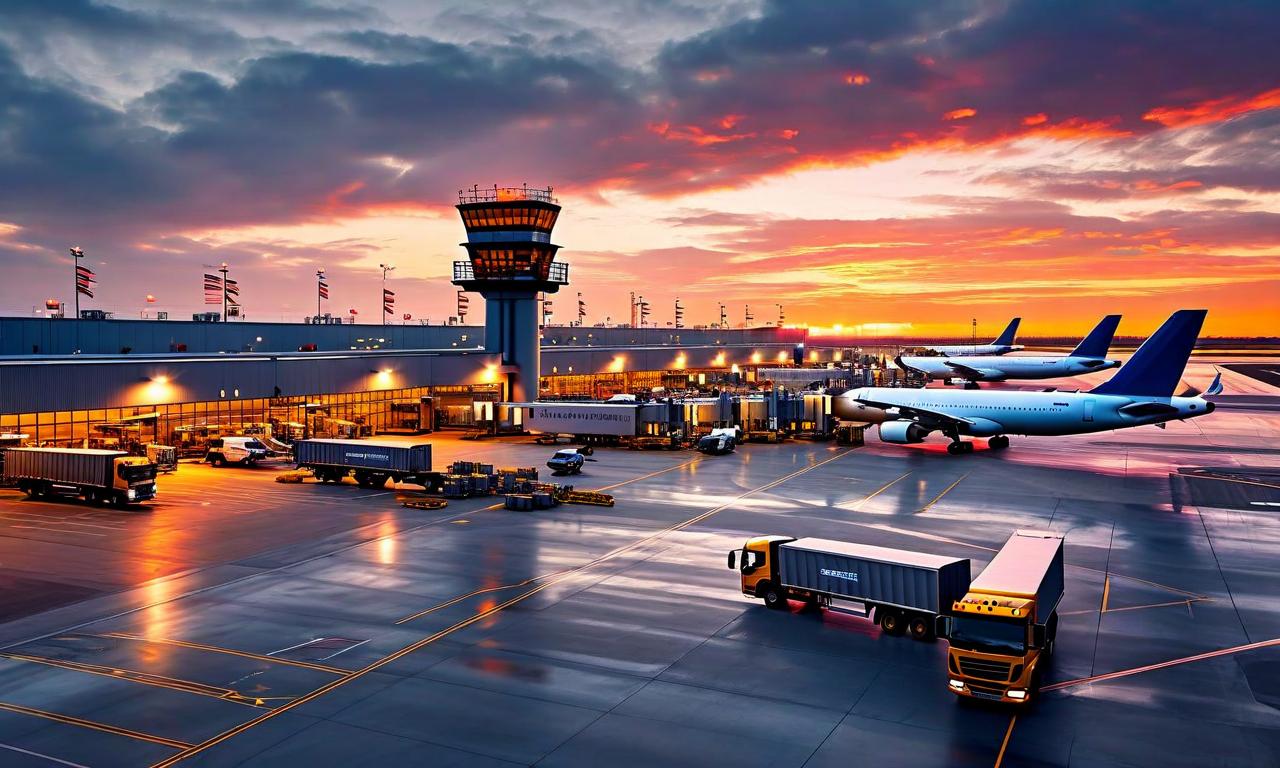
*this image is generated using AI for illustrative purposes only.

New airlines seeking to enter India's domestic aviation market face significant operational delays spanning several years due to persistent aircraft shortages and ongoing supply chain challenges, according to a former Boeing executive. The warning comes as the aviation industry grapples with unprecedented demand amid limited manufacturing capacity.

Aircraft Availability Crisis

Dinesh Keskar, former senior vice president for sales at Boeing Co, addressed the supply constraints during a Leadership Talk at the Indian Institute of Management (IIM) Nagpur. He emphasized that despite government approvals for new airline companies, actual operations remain distant due to aircraft unavailability.

Challenge: Timeline/Impact
Manufacturer Order Books: Booked until 2032
Boeing Delivery Time: Approximately 6 years from order
New Airline Operations: Several years delay expected

The government recently granted No Objection Certificates (NOC) to two new airlines - Al Hind Air and FlyExpress - following massive operational disruptions at IndiGo. However, these approvals may not translate to immediate market entry given the supply constraints.

Domestic Manufacturing Challenges

While India experiences rapidly increasing air traveler numbers, domestic aircraft manufacturing remains unfeasible according to Keskar. The primary obstacle centers on skilled manpower shortages rather than infrastructure or regulatory barriers.

"Government approvals and infrastructure alone are not enough, the shortage of skilled manpower remains the biggest challenge," Keskar explained. He noted that while land, electricity, and water resources may be available, highly-skilled engineers and technicians are difficult to find.

Manufacturing Requirements: Availability Status
Government Approvals: Available
Infrastructure: Available
Land, Electricity, Water: Available
Skilled Engineers/Technicians: Critical Shortage

This skilled labor constraint explains why Boeing operates only two aircraft manufacturing facilities globally, both located in the United States.

Market Concentration Concerns

Keskar expressed concern about the growing dominance of a single company in India's aviation market, referencing IndiGo's recent operational crisis. "The concerned airline controls a major part of India's airline market...whenever a monopoly develops in any sector, it inevitably creates problems," he stated.

Industry Outlook and Innovations

Regarding external factors, Keskar noted that new tariffs imposed by the Trump administration will have limited impact on the global aircraft industry, as aerospace parts remain exempt from tariffs. He expects these issues to resolve soon, reducing concerns for the aviation sector worldwide.

Boeing continues developing innovative solutions, including work on a 12-seater electric aircraft. Keskar described this as a fascinating concept that could become a game changer for the aviation industry, though implementation will require significant time.

During the session, Keskar also shared insights on global trade dynamics, emerging aviation technologies, and electric aircraft development. He reflected on his personal journey from childhood in Amravati through his engineering education at Visvesvaraya National Institute of Technology (VNIT) Nagpur, highlighting his connection to the Vidarbha region.

like20
dislike

Indian Aviation 2025: Fatal Crash and Operational Breakdowns Expose Industry Vulnerabilities

4 min read     Updated on 31 Dec 2025, 06:18 PM
scanx
Reviewed by
Radhika SScanX News Team
Overview

Indian aviation faced significant challenges in 2025, including the fatal Air India flight AI171 crash on June 12 that killed 241 passengers and 19 ground casualties, and IndiGo's unprecedented operational breakdown in December affecting over nine lakh passengers due to pilot shortage miscalculations. Despite these setbacks, the industry showed resilience with positive developments including hosting IATA's Annual General Meeting in New Delhi, Safran's MRO facility opening in Hyderabad, and Navi Mumbai International Airport's launch on December 25, demonstrating continued global confidence in India's aviation growth story.

28730881

*this image is generated using AI for illustrative purposes only.

The year 2025 emerged as one of the most challenging periods for Indian aviation, not due to a single catastrophic event, but because multiple crises simultaneously exposed critical vulnerabilities across the industry. From fatal accidents to unprecedented operational breakdowns, the year tested the resilience of India's rapidly expanding aviation sector while revealing uncomfortable truths about operational preparedness and safety oversight.

Tragic Air India Crash Sets Somber Tone

The most devastating event of 2025 occurred on June 12, when Air India flight AI171 crashed seconds after takeoff from Ahmedabad airport. The accident resulted in significant casualties and placed the airline under intense regulatory scrutiny.

Impact Details: Numbers
Passengers Killed: 241
Ground Casualties: 19
Crash Date: June 12, 2025
Location: Ahmedabad Airport

The preliminary investigation revealed that fuel control switches moved from 'run' to 'cut-off' position, leading to a complete loss of engine thrust. However, investigators have not yet determined whether this switch movement resulted from technical malfunction or pilot action. The final investigation report remains pending, leaving critical questions unanswered six months after the tragedy.

IndiGo's Unprecedented Operational Breakdown

December brought another major crisis when IndiGo, India's largest airline, experienced widespread flight disruptions that shook passenger confidence across the industry. The operational breakdown, particularly severe at Delhi airport, represented an unprecedented scale of service failure for the typically reliable carrier.

Disruption Impact: Details
Passengers Affected: Over 9 lakh
Primary Location: Delhi Airport
Root Cause: Pilot shortage miscalculation
Regulatory Change: New crew rest norms (November 1)

IndiGo later admitted to aviation regulators that it had misjudged pilot requirements following the implementation of new crew rest regulations on November 1. Pilot associations alleged the airline was aware of these requirements but delayed hiring additional crew members. The severity of the situation prompted DGCA to summon IndiGo's senior leadership, who subsequently appeared before a parliamentary panel to explain the operational failures.

Geopolitical Challenges and Airspace Restrictions

Operational difficulties were compounded by geopolitical developments that highlighted the industry's vulnerability to external factors beyond airline control. On May 7, India launched Operation Sindoor, targeting terror infrastructure across the Line of Control, which necessitated temporary airport closures across multiple states.

The security measures resulted in:

  • Temporary shutdown of airports in Jammu & Kashmir, Punjab, Rajasthan, Gujarat, and Himachal Pradesh
  • Thousands of stranded passengers due to flight cancellations and diversions
  • Increased operational costs for long-haul flights, particularly Air India's European and North American routes
  • Extended flight times and higher fuel consumption due to longer routing requirements

Pakistan's continued airspace closure added structural pressure on Indian airlines, forcing them to adopt less efficient flight paths and increasing operational complexity.

Positive Developments Amid Challenges

Despite the operational difficulties, 2025 also witnessed significant positive developments that reinforced global confidence in India's aviation sector. In early June, India hosted the International Air Transport Association's 81st Annual General Meeting in New Delhi, marking the first time in 42 years that this prestigious global aviation gathering returned to the country.

The selection of India as host venue reflected the country's growing importance in global aviation, driven by massive aircraft orders from Air India and IndiGo that have positioned India as one of the world's most critical aviation markets.

Infrastructure and Industrial Advancement

November brought significant industrial development when French engine manufacturer Safran opened its largest maintenance, repair, and overhaul (MRO) facility in Hyderabad. The company also laid the foundation stone for a Rafale engine MRO unit, positioning India as an emerging global hub for aircraft maintenance services.

Infrastructure Milestones: Details
Safran MRO Facility: Hyderabad (November)
Navi Mumbai Airport Launch: December 25
Airport Features: Dual parallel runways
Initial Airlines: IndiGo, Air India Express, Akasa Air, Star Air

The long-awaited Navi Mumbai International Airport began operations on December 25, addressing Mumbai's decades-old single-runway constraint. The new facility features dual parallel runways enabling simultaneous takeoffs and landings, modern terminals with digital passenger processing, and advanced baggage systems designed for scale and efficiency.

Industry Resilience Among Smaller Players

Despite sector-wide challenges, smaller airlines demonstrated resilience and gradual recovery. SpiceJet increased its operational fleet to 33 aircraft, representing its highest fleet size in recent years after enduring prolonged financial and operational stress. Akasa Air continued its cautious expansion, growing its fleet to 31 aircraft while maintaining operational stability.

These developments matter significantly in India's highly concentrated aviation market, where Air India and IndiGo together control nearly 70.00% of domestic market share, making survival and recovery for smaller carriers a critical test of industry resilience.

While 2025 may not rank as Indian aviation's darkest year historically, it proved to be arguably the most revealing year yet. The multiple crises exposed how thin operational margins have become in a high-growth environment and demonstrated the industry's vulnerability to security, weather, and geopolitical shocks. However, continued global confidence, backed by infrastructure development and industrial investment, suggests the sector's long-term growth trajectory remains intact despite short-term operational challenges.

like19
dislike
More News on Indian Aviation Industry
Explore Other Articles