
 NewsLab-grown diamonds transition from niche to mainstream as India's jewellery market transforms
Lab-grown diamonds transition from niche to mainstream as India's jewellery market transforms


India's laboratory-grown diamond market is experiencing rapid transformation, with valuations projected to grow from $450 million in 2023-24 to $1.2 billion by 2030-31. New regulatory standards have legitimized the category by adopting official terminology while prohibiting misleading descriptions. Price advantages of ₹20,000-₹80,000 per carat compared to ₹70,000-₹5 lakh for natural diamonds are driving accessibility among younger consumers and tier-two cities. Industry players are pursuing vertical integration strategies while retail expansion accelerates across metros and smaller markets.

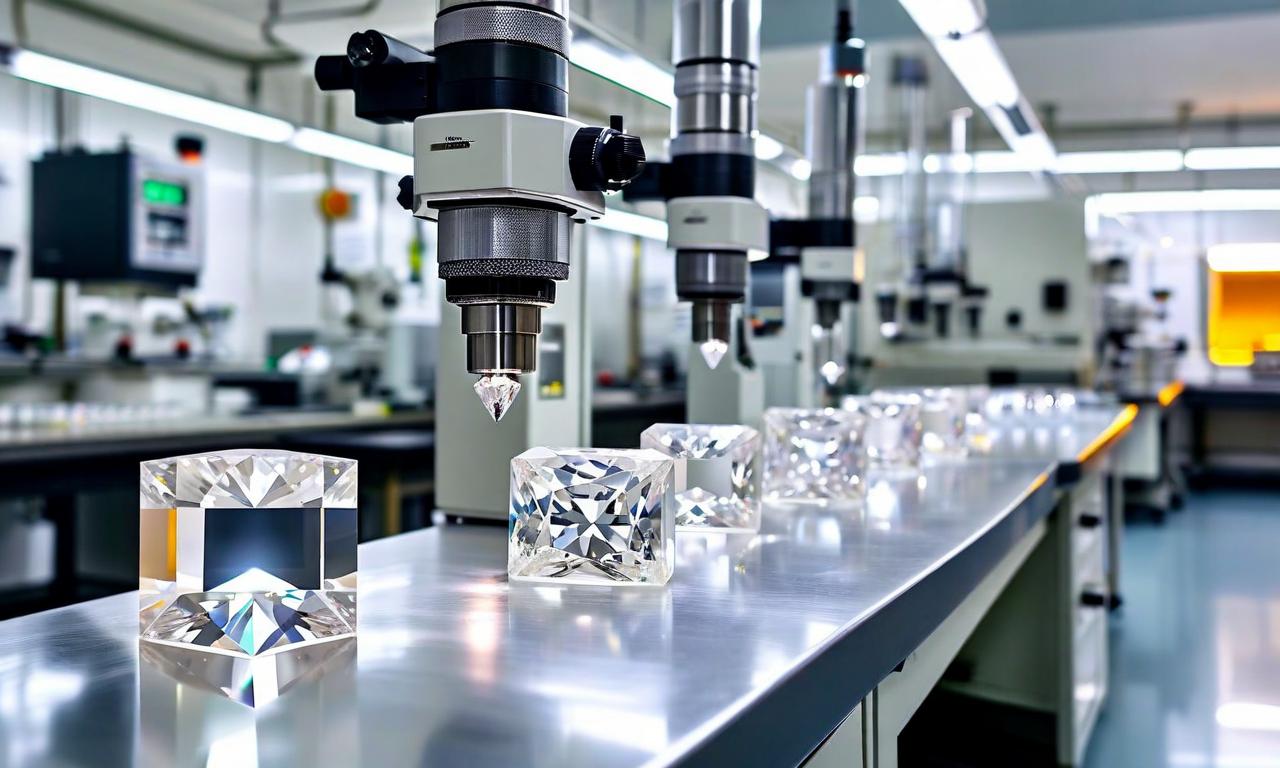

*this image is generated using AI for illustrative purposes only.
India's laboratory-grown diamond industry is positioned for substantial growth as it transitions from a niche segment to mainstream acceptance. The sector is experiencing a decisive phase backed by regulatory clarity, expanding consumer base, and aggressive retail expansion strategies. New standardization measures are reshaping market dynamics while price advantages continue attracting diverse consumer segments.
Regulatory Framework Enhances Market Credibility
India has officially adopted standardized terminology for the industry, recognizing 'laboratory-grown diamond' and 'laboratory-created diamond' as acceptable descriptions. The regulatory framework explicitly prohibits misleading terms such as "fake" or "artificial," addressing previous consumer confusion and market credibility issues. This standardization is expected to boost consumer confidence, enhance industry credibility, and ensure transparency at retail touchpoints.
Price Positioning Drives Market Accessibility
Significant price differentials between natural and lab-grown diamonds remain a primary growth driver for the category. The pricing structure demonstrates substantial accessibility advantages:
| Diamond Type | Price Range (per carat) |
|---|---|
| Natural Diamond | ₹70,000 - ₹5,00,000 |
| Lab-grown Diamond | ₹20,000 - ₹80,000 |
This pricing gap has democratized diamond access for younger buyers and consumers in tier-two and tier-three cities, expanding the addressable market significantly beyond traditional luxury segments.
Market Growth Trajectory Shows Strong Momentum
Industry estimates reveal robust growth projections for India's lab-grown diamond sector:
| Parameter | 2023-24 | 2030-31 Projection |
|---|---|---|
| Market Value | $450 million | $1.20 billion |
| Growth Multiple | - | 2.7x |
Globally, lab-grown diamonds have demonstrated remarkable market penetration, rising from approximately 5% market share in 2018 to nearly 20% by 2024. India is following similar growth patterns, with volume growth expected to outpace value growth in coming years.
Industry Players Embrace Vertical Integration
Established industry participants are adopting comprehensive value chain strategies to strengthen market positions. Nirav Bhansali, CEO of Prism Jewellery, identifies sustainability and affordability as dual advantages driving category growth. Younger consumers increasingly prioritize ethical sourcing while seeking value and design flexibility.
Pooja Sheth, Founder and MD at Limelight Diamonds, highlighted the company's vertical integration approach, describing their strategy as an "entire 'rocks to retail' story." This approach encompasses controlling the complete value chain from diamond cultivation to finished jewellery retail operations. Limelight has expanded across metropolitan areas and smaller cities, reflecting broadening consumer acceptance.
Market Legitimization Reduces Consumer Hesitation
The entry of large, established jewellery players has legitimized the lab-grown diamond category, reducing consumer hesitation that existed previously. Improving certification standards, expanding retail networks, and growing use cases spanning weddings, everyday wear, and special occasions have positioned lab-grown diamonds as a parallel category rather than a niche alternative. The sector appears positioned for accelerated volume growth, deeper market penetration, and intensifying competition across India's jewellery landscape.
 15
15






 Access 50+ Readymade Screeners
  Use 200+ Custom Filters
  Get Full Market Insights





